Gaza Genocide27 November, 20252 min read
Israel Continues Genocide in Gaza Despite Ceasefire, Amnesty Warns
This article is an automated aggregation of coverage from news outlets. Our editorials offer in-depth analysis curated by the NewsCord team.
Amnesty International says Israeli authorities are still committing genocide against Palestinians in Gaza. Israeli forces have violated the ceasefire over 500 times, continuing strikes and killing hundreds.

10 outlets told this the same way.
Outlets did split on Israel Marks Oct. 7 Anniversary With Strikes on Gaza, Netanyahu Faces Election After Nova Tribute →
Amnesty findings on Gaza
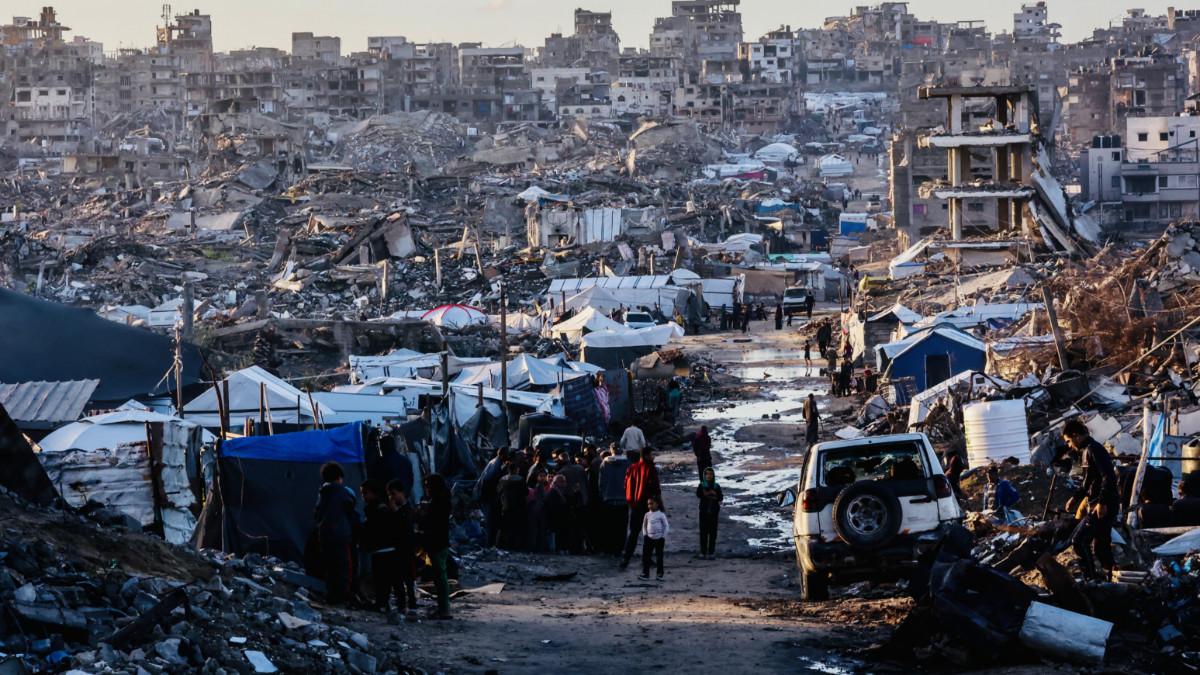
Amnesty International says Israel is still committing genocide in Gaza despite a US-backed ceasefire. The group reports more than 500 truce violations and continued Israeli air strikes beyond the withdrawal, or 'yellow line'. Amnesty reports no evidence that Israeli intent has changed amid nearly 70,000 Palestinian deaths since the war began.
“Amnesty International says that more than a month after a ceasefire and the release of all living Israeli hostages, Israeli authorities are continuing to commit genocide in the occupied Gaza Strip by deliberately maintaining life‑threatening conditions intended to bring about Palestinians’ physical destruction.”
Secretary-General Agnès Callamard warned that 'the world must not be fooled' and said Israel's genocide 'is not over'. Amnesty documents that although large-scale attacks have lessened, Israeli forces have continued to kill hundreds of Palestinians after the ceasefire took effect. The group also highlights restricted humanitarian access and life-threatening conditions it says are being deliberately maintained by Israeli authorities.
Alleged truce violations
Amnesty and other outlets document repeated truce violations, with Agnès Callamard reporting more than 500 breaches in seven weeks. Gaza’s Health Ministry and reporting cite hundreds killed and wounded since the ceasefire’s start. Media report Israeli air strikes in southern and central Gaza, including beyond the official "yellow line", and also report raids and arrests in the occupied West Bank.
There are accounts of detainees being beaten and of settlers carrying out demolitions and arson. Rights groups say continued strikes, forced displacement, and restrictions on evacuations and returns amount to sustained operations that keep Palestinians in life‑threatening conditions.
Gaza humanitarian crisis
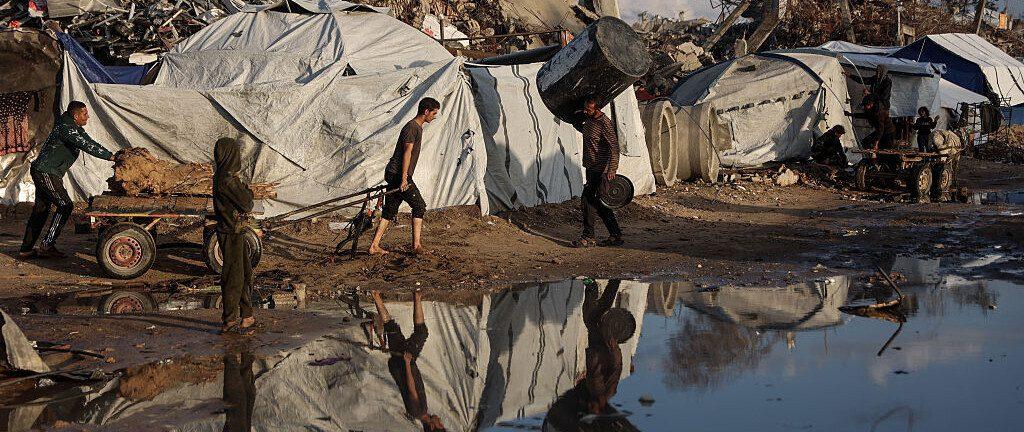
Humanitarian needs in Gaza remain catastrophic as Israel continues to restrict aid, deny access to investigators, and maintain policies that have devastated infrastructure and livelihoods. Reports from Middle East Eye and other outlets describe near-total destruction of housing and massive damage to farmland and livestock.
“Israel has reportedly destroyed almost all housing units and devastated farmland and livestock.”
The economy has contracted by about 87%, and the UN estimates reconstruction will cost roughly $70 billion. Amnesty and Common Dreams highlight the blockade and the denial of access for forensic and UN investigators, arguing these obstacles obstruct accountability and keep Palestinians deprived of food, medicine, and fuel.
Calls for international pressure
Amnesty, Common Dreams and other sources call for international pressure, including halting arms transfers and allowing unfettered aid and investigator access. They argue that without outside compulsion Israel will continue policies that obstruct accountability and sustain lethal conditions in Gaza.
The Guardian notes the International Court of Justice ordered Israel to prevent and punish incitement to genocide and the UN commission found genocidal acts. Advocacy outlets add concrete demands to press for enforcement, such as suspending corporate operations that support Israeli actions, opening crossings, allowing forensic teams, and restoring services.
Ceasefire, aid and accountability
Major obstacles remain to any sustainable relief or accountability. Mediators report dozens of Hamas fighters trapped in tunnels across the yellow line as Israel continues raids and says it has killed fighters. Reconstruction proposals face criticism for risking Gaza's partition.
“Major obstacles remain, including dozens of Hamas fighters reportedly trapped in tunnels on the Israeli side of the yellow line (Israel says it killed about 20 in the past week), and calls from Hamas for mediators to secure their safe passage.”
Rights groups warn that a ceasefire's reduced fighting must not be treated as normality while Israeli forces keep controlling movement, aid and reconstruction. Amnesty, Al Jazeera and Middle East Eye all stress that the ceasefire has not changed Israeli intent or the structural conditions that keep Palestinians at risk of physical destruction.