Gaza Genocide20 January, 20263 min read
Israel Demolishes UNRWA Headquarters in Occupied Jerusalem, Erases 'Living Witness' to Palestinian Refugee Tragedy
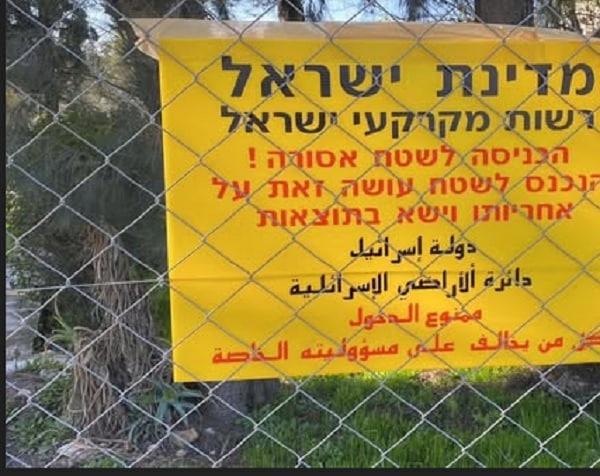
Israeli forces entered UNRWA Sheikh Jarrah compound and began demolishing buildings with bulldozers. Israel seized the site citing a new law banning UNRWA operations in its territory.
85 outlets told this the same way.
Outlets did split on Israel Marks Oct. 7 Anniversary With Strikes on Gaza, Netanyahu Faces Election After Nova Tribute →
France 24 was read line by line by the Watchdog: 3.5. See the score →
UNRWA headquarters demolition
On 20 January 2026 Israeli forces entered and began demolishing the UN Relief and Works Agency (UNRWA) headquarters in the Sheikh Jarrah neighbourhood of East Jerusalem, forcing out security staff, confiscating devices and using bulldozers to raze buildings. Far-right National Security Minister Itamar Ben-Gvir and other Israeli officials hailed the action. UNRWA called the operation 'an unprecedented attack'.
“Israeli forces bulldozed the East Jerusalem headquarters of the UN relief agency for Palestinian refugees (UNRWA) in Sheikh Jarrah on Tuesday and fired teargas at a UN vocational school in Qalandia, West Bank.”
The U.N. secretary-general demanded work be halted and the premises restored. Witnesses and news agencies reported an Israeli flag raised over the compound and tear gas fired at a nearby UN vocational school in Qalandia.

A 15-year-old was reportedly hit by a rubber bullet there. The move follows Israeli measures including an October 2024 law banning UNRWA operations in territory Israel claims and prior seizures of UN premises.
UNRWA operations and disputes
UNRWA, founded in 1949, provides education, health care and aid to millions of Palestinian refugees across Gaza, the West Bank, East Jerusalem and neighbouring countries. Many Western mainstream reports describe UNRWA as the primary relief body serving roughly 2.5 million people in Gaza, the West Bank and East Jerusalem, and about 3 million more in Syria, Jordan and Lebanon. Some regional and other outlets cite a broader total near 5.9 million refugees.
Israel barred UNRWA from operating in areas it defines as its territory after Knesset legislation in late 2024. UNRWA says the agency has dismissed staff accused of wrongdoing but denies institutional collaboration with militants.

International condemnation of seizure
U.N. officials and multiple international governments condemned Israel's seizure and demolition as violations of international law and U.N. privileges and immunities. They cited prior rulings, including an International Court of Justice decision ordering Israel to facilitate UNRWA operations, and argued Israel lacks jurisdiction over East Jerusalem. The U.N. secretary-general demanded restoration of the premises.
“UNRWA Commissioner‑General Philippe Lazzarini called it an ‘unprecedented attack’ that violates UN privileges, and Secretary‑General António Guterres demanded the work be halted and the site restored, saying the compound is ‘inviolable and immune.’”
Humanitarian agencies warned the action threatens delivery of health care, education and sanitation that UNRWA provides. Several countries, including Germany and the UK, described the move as an escalation and called on Israel to respect U.N. protections.
Threats to UNRWA services
Humanitarian and rights groups warn the demolition and prior Israeli measures, including bans, raids on UNRWA health centres, arson attacks and a reported disinformation campaign, will deepen the collapse of services and endanger civilians who rely on UNRWA. UNRWA leaders called the actions a risk to the 'identity' and future of Palestine refugees and said that seizing and destroying agency facilities jeopardises schooling, health care and aid deliveries to Gaza and the West Bank. Several outlets documented that some UNRWA staff were dismissed after internal probes, but noted that independent reviews did not find proof of systemic institutional collaboration with militants.
Demolition and diplomatic fallout
The demolition sharpened political rhetoric inside Israel and provoked diplomatic condemnations abroad. Far-right ministers celebrated the move — National Security Minister Itamar Ben-Gvir called it a 'historic day' — while the UN and several states warned of legal and diplomatic consequences, including references to the International Court of Justice.
“National Security Minister Itamar Ben‑Gvir visited briefly, calling it a 'historic day' and saying supporters of terrorism were being removed.”
Media across the spectrum recorded the immediate symbolic act of replacing the UN flag with an Israeli flag. They also noted that the operation is part of a wider pattern of seizures, license revocations and laws restricting NGOs and UN operations in Israeli-controlled areas.
