Gaza Genocide30 January, 20262 min read
Israel Denies Accepting Gaza Health Ministry Death Toll
This article is an automated aggregation of coverage from news outlets. Our editorials offer in-depth analysis curated by the NewsCord team.
Israeli media and senior officials reported the IDF accepted Gaza Health Ministry's ~70,000 death toll Israeli military publicly denied reports that it had accepted the Gaza health ministry toll

8 outlets told this the same way.
Outlets did split on Thousands March in London Calling for Britain to Stop Arming Israel and Impose Sanctions →
Al Jazeera was read line by line by the Watchdog: 4.9. See the score →
Gaza casualty figures dispute
Israeli military spokespeople denied media reports that they had accepted Gaza Health Ministry casualty figures showing more than 70,000 Palestinian deaths. They told outlets such reports 'do not reflect official data' and said any announcements would come through formal channels. Multiple Israeli media outlets, citing military or senior officials, had reported the army was analysing a Gaza list of roughly 71,000 dead to try to distinguish militants from civilians.
“The Israeli military on Friday denied reports that it had accepted Gaza health ministry figures showing more than 70,000 Palestinian deaths in the war, saying such reports ‘do not reflect official data’ and that any announcements will come through official channels.”
The Israel Defense Forces (IDF) issued a formal denial, repeating that official figures will be released only through proper channels. The row highlights a sharp gap between what Israeli outlets reported and what the military publicly confirms.
Gaza casualty figures
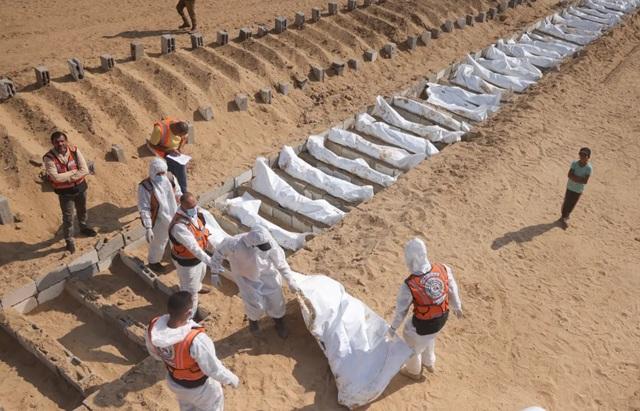
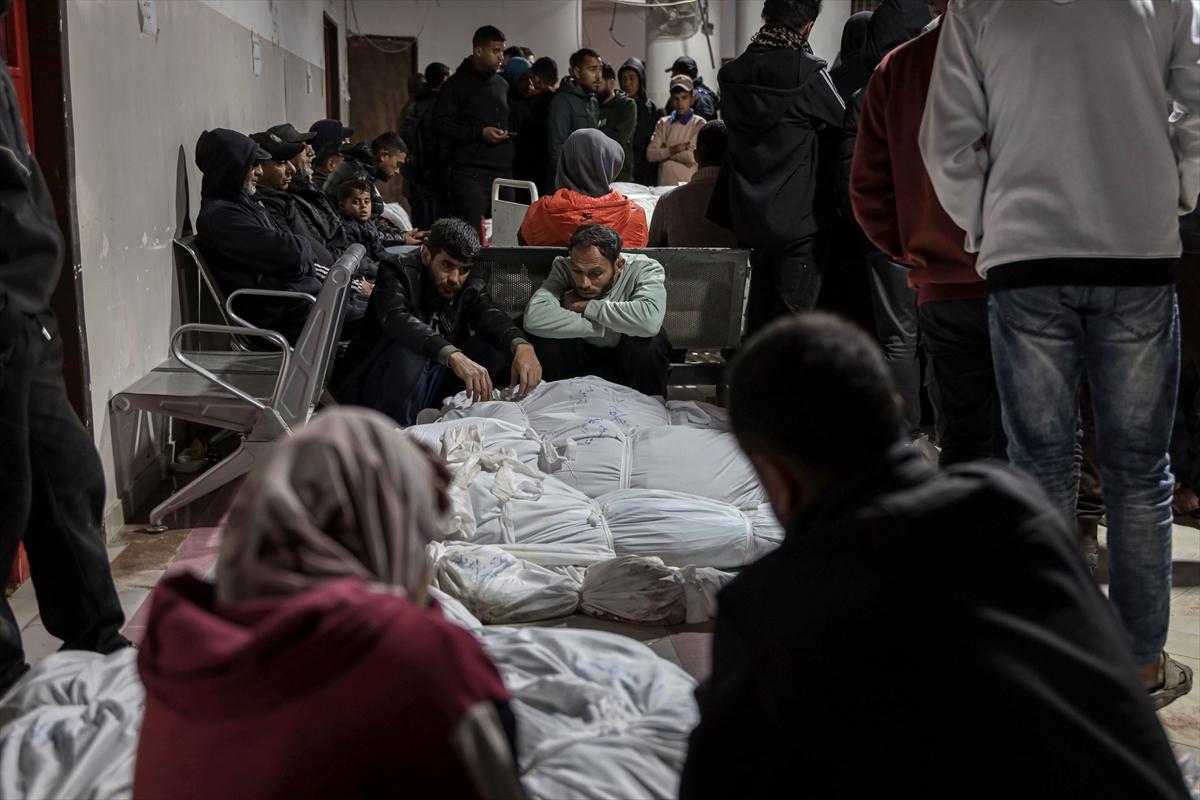
On 28 January, Gaza's Health Ministry reported at least 71,667 deaths, excluding those believed buried under rubble or who died from starvation, disease, or the collapse of health services; it also reported more than 171,000 wounded. International organisations have treated the ministry's figures as historically reliable because it publishes names and ages, and several independent studies suggest the true death toll may be higher. Western governments and media have long cast doubt on the ministry's numbers, sometimes describing it as 'Hamas-run', but the persistence of consistent lists and UN acceptance has kept the ministry's tally central to international estimates.
Debate over Gaza casualty counts
Israeli media coverage and internal sources complicated public messaging. Haaretz and Ynet reported that Israeli military and government figures were analysing Gaza lists to identify combatants. Some outlets said the military's position had shifted after years of scepticism.
“The Gaza toll figure does not distinguish civilians from fighters and excludes some people buried in rubble or who died from indirect effects (illness, starvation).”
Officials reportedly sought to separate 'militants' from civilians in the tally. The Israeli military said it killed 22,000 militants out of roughly 70,000 Gaza deaths, though other internal counts cited in reporting put the civilian share even higher. Yet the IDF's public line remained that any official endorsement would come only through formal data releases.
Global reactions to Gaza
Several international actors and rights groups have framed Israel's conduct in Gaza in the strongest terms. The Guardian reports that a UN commission, rights groups and scholars are accusing Israel of genocide. A shift in Israeli public stance has intensified scrutiny of civilian deaths.
Al Jazeera notes analysts who say Israel's recalculation may be tactical, intended to preserve credibility with allies and reframe debates toward reconstruction and responsibility. Legal and moral accusations of systematic killing remain prominent in reporting.
Disputed Gaza casualty figures
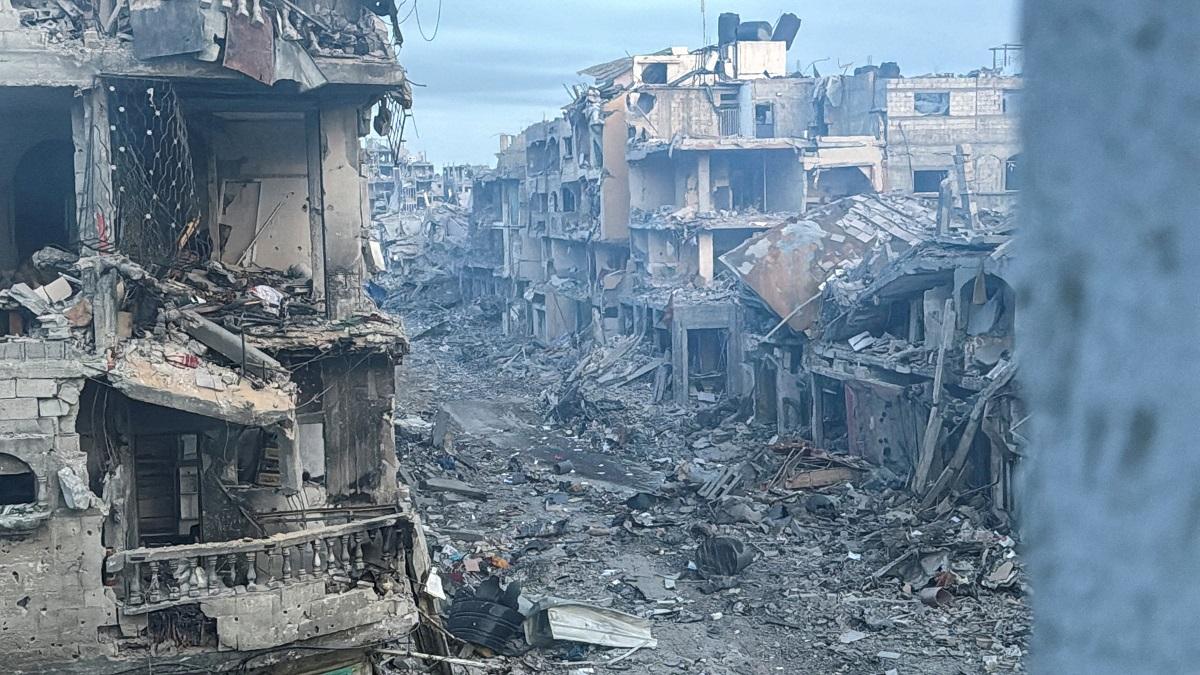
The overall picture remains contradictory and unresolved. Israeli media and some officials signal acceptance of roughly 70,000 Gaza deaths and say they are working to separate fighters from civilians. The IDF's public statements deny formal acceptance and demand official channels for any figure.
“The Israeli army did not formally endorse the media reports: an IDF spokesperson said those numbers ‘do not reflect official IDF data’ and that any release would come through formal channels.”
Reporting shows wide variation in the civilian-to-combatant breakdown, from an Israeli military claim of 22,000 militants to a classified database suggesting 83% civilians. This variation underscores why international bodies and researchers press for transparent, named casualty lists and independent verification.