Gaza Genocide13 November, 20252 min read
Israel Destroys More Than 1,500 Buildings in Gaza Since Ceasefire, Satellite Images Reveal
This article is an automated aggregation of coverage from news outlets. Our editorials offer in-depth analysis curated by the NewsCord team.
BBC Verify satellite imagery shows Israel demolished over 1,500 buildings in Gaza since October 10 Entire neighborhoods under Israeli control were flattened within weeks, imagery shows
7 outlets told this the same way.
Outlets did split on Thousands March in London Calling for Britain to Stop Arming Israel and Impose Sanctions →
Gaza demolitions after ceasefire
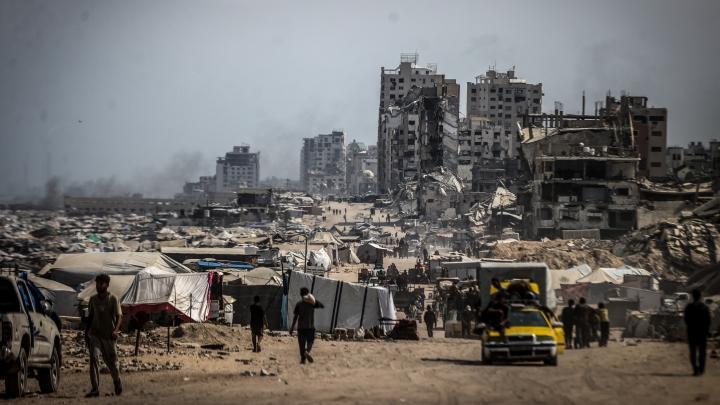
Satellite analysis shows Israeli forces have demolished more than 1,500 buildings in Gaza since the US‑brokered ceasefire took effect on 10 October. BBC Verify’s radar change‑detection analysis and manual checks flagged large‑scale destruction in areas behind the ceasefire 'Yellow Line', and multiple West Asian outlets report whole residential blocks, orchards and farmland levelled in eastern Khan Younis, Rafah and parts of Gaza City — all zones that Israel continues to occupy despite the truce. The scale and speed of the demolitions raise immediate questions about whether Israel’s actions breach the ceasefire terms.
“BBC Verify used a radar change‑detection algorithm and manual checks of satellite imagery to show large‑scale continuing destruction of buildings in Gaza after the October ceasefire.”
Demolition of civilian neighbourhoods
Imagery and reporting indicate demolition of whole neighbourhoods and civilian infrastructure in zones where there has been no renewed fighting reported. Reporters and analysts cite evidence of excavators and controlled demolitions, and note that houses with gardens and orchards, structures showing little pre-existing visible damage, were flattened within weeks. Examples named in the analyses include eastern Khan Younis (Abasan al-Kabira), al-Bayuk near Rafah, Shejaiya and areas near the Indonesian hospital by Jabalia.
Justifications for demolitions
Israeli military spokespeople and officials defend the demolitions, telling reporters these operations target 'terror infrastructure, including tunnels' and are part of Gaza 'demilitarization' processes that they say are permitted where Israel retains control.
“Israeli military spokespeople and former official Eitan Shamir defend the actions, saying they target ‘terror infrastructure, including tunnels,’ are part of Gaza’s demilitarization and are permitted where Israel retains control.”
Israeli statements quoted in the reporting frame the actions as consistent with ceasefire language calling for destruction of military infrastructure, though that intended process was supposed to be supervised by independent monitors, a caveat raised by multiple sources.
Alleged demolitions and violations
Legal experts, rights groups and Palestinian officials quoted in the reporting say the demolitions may violate international law and could amount to war crimes. They warn the demolitions risk collapsing the fragile truce. Gaza’s Government Media Office recorded dozens of alleged ceasefire violations.
Palestinian health authorities reported additional casualties and worsening shortages of food, fuel and medical supplies during the period examined. Humanitarian monitors and observers say independent investigation and supervision were meant to oversee any destruction of military infrastructure. Imagery and reports suggest that this safeguard is not being applied where demolitions are occurring.

Coverage by source type
Western mainstream reporting (BBC) emphasizes methodology, evidence and careful qualifiers. West Asian outlets such as Roya News and Arab News foreground the scale of demolitions, the humanitarian toll and legal challenges. The Asian outlet Siasat highlights the possibility of war crimes and calls for independent investigations.
“BBC Verify used a radar change‑detection algorithm and manual checks of satellite imagery to show large‑scale continuing destruction of buildings in Gaza after the October ceasefire.”
Western alternative sources like Tempo.co mention related developments—aid crossing openings, diplomatic moves and reports about fighter relocation—but do not make the demolition findings central to their roundups. These differences shape public perception: some outlets stress forensic evidence and caution, while others emphasize immediate allegations of ceasefire breaches and civilian harm.