Gaza Genocide07 January, 20263 min read
Israel Enforces Apartheid in Occupied West Bank, U.N. Report Finds
UN report states Israeli policies in West Bank constitute systemic racial discrimination and apartheid Report documents dual legal systems, land seizures, movement restrictions, and arbitrary detentions against Palestinians
11 outlets told this the same way.
U.N. report on West Bank
The U.N. human rights office OHCHR concluded in a major report that Israel enforces a two-tier system in the occupied West Bank amounting to racial segregation and apartheid by applying separate laws and policies to settlers and Palestinians. The report documents large-scale land confiscation and settlement expansion that undermine Palestinian livelihoods and prospects for a contiguous state. It also cites routine use of military courts for Palestinians with systemic due-process violations and escalating settler violence often carried out with the acquiescence or support of Israeli security forces.
“The report documents large-scale land confiscation, rapid settlement expansion (illegal under international law), unlawful killings with near impunity, escalating settler violence often carried out with the acquiescence or support of Israeli forces, and widespread use of arbitrary detention, military trials and torture.”
The U.N. called these practices systematic discrimination and urged Israel to repeal discriminatory laws and dismantle settlements. Israel rejects the apartheid label, saying its measures are driven by security concerns, but the OHCHR tied many harms from home demolitions to resource denial to longstanding policies that favor settlers over Palestinians.

Gaza and West Bank rights
The OHCHR report links a sharp deterioration in rights to the Gaza war that began on October 7, 2023, and documents large numbers of Palestinian deaths, injuries, and arrests in the West Bank. The UN and multiple outlets report that Israeli troops and settlers have killed over 1,000 Palestinians in the West Bank since October 7, 2023.
Arrests are approaching or exceeding 21,000, and investigators document unlawful force, arbitrary detention, alleged torture, and a marked rise in settler attacks that security forces have sometimes supported or joined. Local reporting names specific lethal incidents, including shootings of unarmed civilians, as emblematic of a pattern the UN says worsened since late 2022 and accelerated after October 2023.
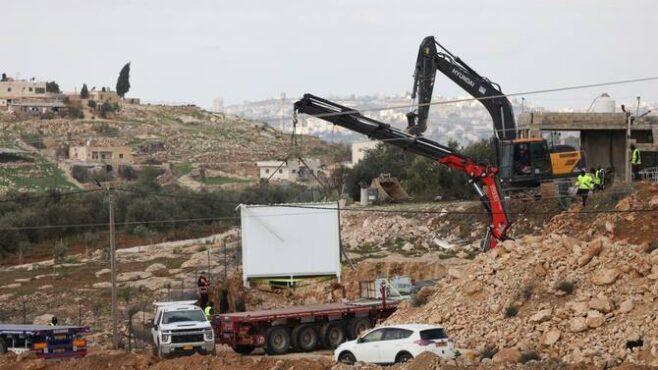
UN report on occupation
The OHCHR report states there are reasonable grounds to believe that the separation, segregation and subordination of Palestinians are intended to be permanent, which the UN says breaches international anti‑racism and anti‑apartheid conventions. The report urges repeal of discriminatory laws, an end to the unlawful occupation, the dismantling of settlements, and respect for Palestinian self‑determination.
“The UN concluded there are reasonable grounds to believe the separation, segregation and subordination are intended to be permanent, violating international anti‑racism and anti‑apartheid conventions, and urged Israel to repeal discriminatory laws and end its unlawful presence, dismantle settlements, evacuate settlers, and respect Palestinian self‑determination.”
The U.N. findings mirror other international steps; PressTV noted the report echoes the July 2024 ICJ ruling that Israel’s prolonged occupation is unlawful and called for removal of West Bank settlements. Those recommendations place pressure on states and international bodies to treat the occupation and settlements as violations of international law.
Impunity and rights repression
The report documents systemic impunity, noting that investigations rarely lead to convictions. It highlights that military courts favor settlers while Palestinians face due-process violations, and that administrative detention and allegations of torture are widespread.
Opinion Nigeria underscores near-total impunity with a concrete statistic: only one conviction resulted from 112 investigations into killings between 2017 and September 2025. The UN describes repression through media restrictions, shutdowns of civil society, and severe movement controls that suppress Palestinian rights and dissent while enabling settler expansion and violence.
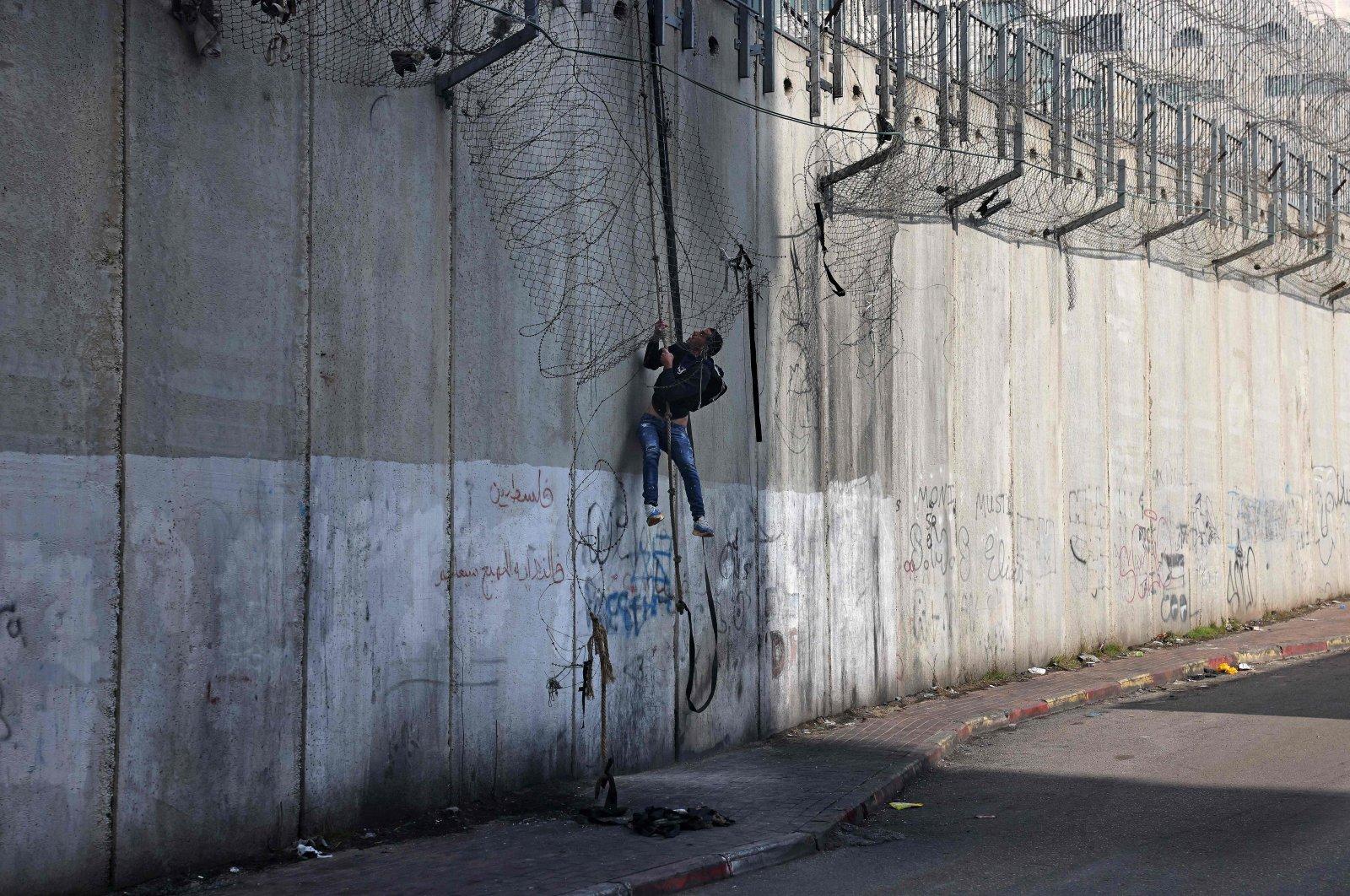
Media reactions to OHCHR report
The report’s publication has led to divergent emphases across the press. West Asian and regionally focused outlets underline the call to dismantle settlements and frame the situation as apartheid and systematic discrimination. Some Western-aligned summaries present the OHCHR’s legal findings and Israeli denials as competing narratives.
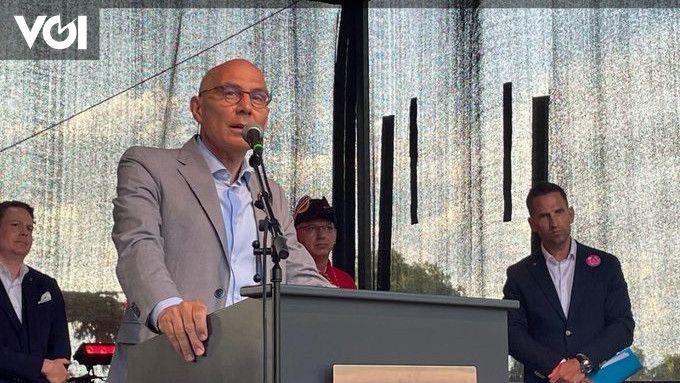
“UN rights chief Volker Türk said these measures amount to a severe form of racial discrimination resembling apartheid and urged Israel to repeal discriminatory laws and practices, end its unlawful occupation, dismantle settlements and respect Palestinian self‑determination.”
The OHCHR’s evidence — statistical counts of deaths and arrests, named cases of unarmed civilians shot, and legal analysis likening policies to apartheid — forms a consistent core across sources. However, tone, the inclusion of Israeli replies, and the invocation of international rulings such as the ICJ vary by outlet.