Full Analysis Summary
Golan talks and demands
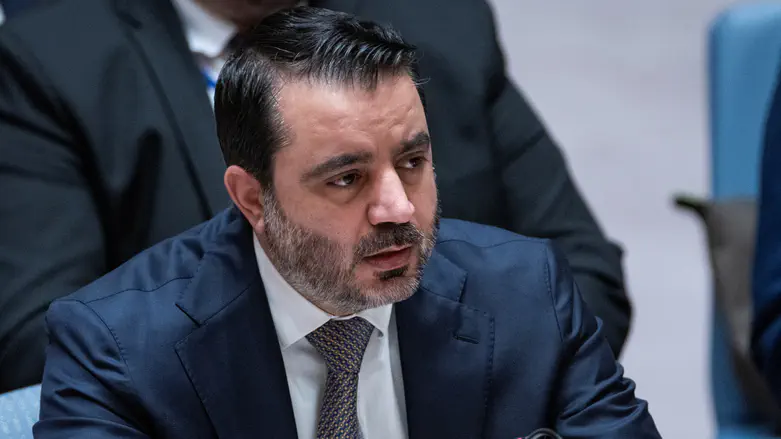
At the Munich Security Conference, Syrian Foreign Minister Asaad al-Shaibani said talks with Israel are confined to territories Israel advanced into after the December 8, 2024 ousting of Bashar al-Assad and do not cover the wider Golan Heights dispute.
Shaibani demanded that any deal include Israeli withdrawal from those recently occupied areas and an end to what he described as interference in Syria’s internal affairs, explicitly rejecting acceptance of a 'fait accompli' imposed by Israel.
The source also reports that Israel deployed forces into a UN‑monitored buffer zone on the Golan following Assad’s removal.
Damascus and Israel have held several direct rounds of talks in recent months under U.S. pressure to establish mechanisms including intelligence sharing as part of a security arrangement.
Coverage Differences
Missed Information
Only one source (Israel National News, Israeli) is available for these details; therefore cross-source differences in framing, tone, or factual emphasis cannot be identified. The paragraphs below summarize and analyze only what Israel National News reports and explicitly note the lack of other sources.
Syrian response to advances
Israel National News reports that Shaibani's remarks reflect Syrian insistence on reversing Israeli advances made after Assad's removal and resisting solutions that treat those advances as permanent.
The article quotes Shaibani rejecting a 'fait accompli' and demanding withdrawal, which the source frames as Damascus pushing back against incremental territorial changes and external interference.
The piece situates these comments in the context of direct Damascus-Jerusalem contacts and U.S. efforts to nudge the parties toward intelligence sharing and broader security arrangements.
Coverage Differences
Narrative Framing
Because only Israel National News is available, the framing—emphasizing Syrian demands for withdrawal and rejection of a 'fait accompli'—is taken from that Israeli source; there is no alternative source here to show a different framing or emphasis such as Israeli official responses or regional actors' interpretations.
Syrian positions on Israel
Syrian President Ahmed al‑Sharaa has demanded Israeli withdrawal from areas captured after Assad’s toppling.
He rejected full demilitarization south of Damascus as impractical.
He was noncommittal about recognizing Israel or joining the Abraham Accords.
Israel National News presented these points as underscoring divisions within Syrian positions between seeking territorial reversal and hedging on diplomatic recognition or formal normalization.
Coverage Differences
Unique Coverage
Israel National News uniquely reports both Shaibani's and President Ahmed al‑Sharaa's specific positions in this snippet—demanding withdrawal and rejecting demilitarization south of Damascus—which would need other sources to confirm whether they echo the same language or offer additional context.
Negotiations and security measures
The Israel National News account portrays negotiations as narrowly scoped and politically sensitive: Syria refuses to treat post-ousting territorial changes as settled, and officials are cautious about broader concessions like demilitarization south of Damascus or recognition.
The report places these positions against the backdrop of Israeli deployments into a UN buffer zone and U.S. involvement to create security mechanisms, signaling practical steps alongside diplomatic stances.
Coverage Differences
Tone
The single-source tone presents Syrian statements as firm rejections of Israeli advances and stresses U.S. pressure for practical measures; with only this Israeli outlet available, there's no way here to show whether other outlets present a more conciliatory, critical, or different-tone interpretation.
Reporting limits and claims
Only the Israel National News snippet is provided, so this account cannot verify Israeli official replies, regional reactions, or independent assessments of the legal and security implications.
Those perspectives would be necessary to compare narratives, confirm factual assertions about deployments, and assess prospects for any final agreement.
The available reporting makes clear that Syria insists talks are limited to areas Israel advanced after December 8, 2024, and demands withdrawal and an end to interference.
The reporting also says U.S.-brokered security mechanisms have been discussed.
Coverage Differences
Contradiction (Unavailable)
A contradiction across sources cannot be documented here because no other sources were provided. The Israel National News piece reports Syrian demands and notes Israeli deployments and U.S. pressure, but without additional outlets the presence or absence of contradictory claims cannot be shown.