
Israel Expands Ground Operations in Southern Lebanon, Indicating Intent to Displace Civilians
Key Takeaways
- Israel destroyed a bridge linking southern Lebanon to the country and ordered Litani crossings demolished.
- Evacuation expands northward, with over 1 million IDPs and 133,492 in shelters.
- Human Rights Watch cites forced displacement and strikes targeting civilians; CIR reports troops advancing deeper.
Military Expansion
Israeli forces have significantly expanded ground operations in southern Lebanon while explicitly indicating intent to forcibly displace civilians.
“Israel struck a main bridge linking Lebanon's south to the rest of the country on Sunday after ordering its military to destroy all crossings over Lebanon's Litani River and to step up the demolition of homes near the southern border”
Defense Minister Israel Katz announced orders to accelerate demolition of Lebanese homes and prevent residents from returning indefinitely.

The Israeli military has implemented sweeping displacement orders affecting hundreds of thousands of people.
Katz explicitly referenced the 'Beit Hanoun and Rafah models in Gaza' as the template for operations in Lebanon.
These developments signal a deliberate strategy of population displacement and destruction of civilian infrastructure.
International human rights organizations have identified these actions as potential war crimes.
The scale and nature of these operations reflect an aggressive military campaign going beyond mere defensive measures.
Displacement Orders
The Israeli military has issued extensive displacement orders that have affected over one million people across Lebanon.
The scope of evacuation zones has expanded dramatically since mid-March.
Initially, displacement orders covered the entire population south of the Litani River and all residents of Beirut's southern suburbs.
These zones have since been expanded to order residents to evacuate north of the Zahrani River, 15 kilometers north of the Litani River.
Residents have been ordered to evacuate 40 kilometers north of Lebanon's southern border with Israel.
Katz stated that 'hundreds of thousands of Shiite residents of southern Lebanon [...] will not return to their homes south of the Litani area until the safety of Israel's northern residents is guaranteed.'
The orders specifically target Shiite residents, indicating religious-based discrimination in the displacement policy.
Infrastructure Destruction
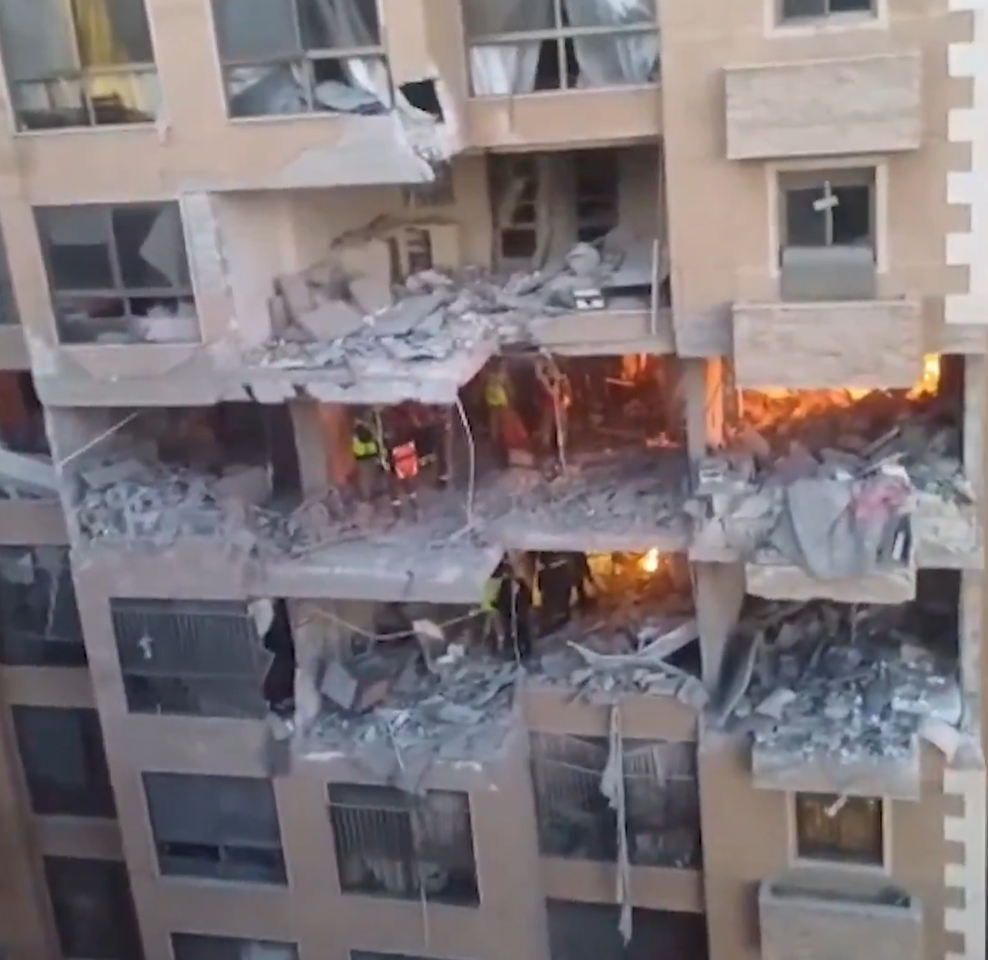
Israeli forces have systematically destroyed civilian infrastructure and homes in Lebanon.
“Series of evacuation orders and air strikes by Israel are emptying Southern Lebanon of its civilian population as fears grow about when they can expect to return”
The military explicitly targets bridges and residential buildings in what human rights organizations describe as potential war crimes of 'wanton destruction.'
Since March 11, the Israeli military has destroyed at least three bridges in southern Lebanon.
This includes a major coastal highway crossing that linked southern and central Lebanon.
Defense Minister Katz ordered the destruction of 'all bridges over the Litani River used for terrorist activity.'
Katz also accelerated the demolition of Lebanese homes in 'front-line villages.'
The destruction follows the pattern established in Gaza's Beit Hanoun and Rafah, where buffer zones were created by clearing entire neighborhoods.
This systematic destruction has been accompanied by explicit threats to target anyone who remains near Hezbollah facilities.
War Crimes Warnings
International human rights organizations and legal experts have warned that Israel's actions in Lebanon constitute potential war crimes.
These include forcible displacement, wanton destruction, and collective punishment against civilians.

Human Rights Watch has explicitly stated that 'forcible displacement, wanton destruction and attacks deliberately targeting civilians are war crimes.'
The organization notes that 'singling out Shiite residents further indicates that Israel is imposing such measures based on their religion, a human rights violation.'
The United Nations human rights office has warned that some Israeli strikes could amount to war crimes.
Particular concern exists regarding widespread evacuation orders that isolate populations and prevent access to essential services.
Legal experts emphasize that under international law, even if infrastructure is used for military purposes, civilian harm must be proportionate.
The systematic nature of these operations, including preventing residents from returning indefinitely, violates multiple provisions of international humanitarian law.
Casualty Disparity
The Israeli military campaign has resulted in significant casualties and displacement.
“(Beirut, March 23, 2026) – Israeli forces have expanded ground operations in southern Lebanon after indicating an intent to forcibly displace residents, destroy civilian homes and conduct strikes that could target civilians, Human Rights Watch said today”
Strikes on Lebanon have killed over 1,000 people according to Lebanon's Health Ministry.
This includes approximately 120 children, 80 women, and 40 medical personnel.
Lebanese authorities do not distinguish between civilians and militants in their casualty reports.
The disproportionate impact on civilian populations is evident from the figures.
In contrast, Hezbollah attacks have resulted in far fewer casualties.
At least 15 people have been injured in Israel according to Israeli media reports.
The first Israeli civilian death linked to fire from Lebanon occurred in the current conflict.
Two Israeli soldiers have also been killed in fighting in southern Lebanon.
International Response
International community reactions to Israel's expanded military operations in Lebanon have been mixed.
Some countries have expressed concerns about the humanitarian impact while others have maintained diplomatic silence.
The United Nations human rights office has criticized Israel's actions, particularly its use of widespread evacuation orders.
Human Rights Watch has accused European states of 'burying their heads in the sand as atrocities continue in Lebanon, as in Gaza.'
French Foreign Affairs Minister Jean-Noël Barrot met with Israeli officials in Jerusalem.
Barrot expressed France's reservations about a ground operation of 'significant scale and duration.'
He urged Lebanese and Israeli officials to find a lasting solution 'which could not be achieved through military force alone.'
Countries providing Israel with arms and military aid risk complicity in Israeli government's serious violations.
The Lebanese government has outlawed Hezbollah military activity and expressed willingness to engage in direct talks with Israel.
More on Lebanon

Israel Approves Expanded Ground, Air Offensive Against Hezbollah In Lebanon
21 sources compared

Israel Destroys Bridges Over Litani River, Steps Up Border Demolitions Near Lebanon
19 sources compared
Israel Strikes Hezbollah Targets in Beirut After Evacuation Warnings
13 sources compared
UAE Dismantles Terrorist Network Linked to Iran and Hezbollah, Arrests 109
19 sources compared