Full Analysis Summary
Gaza farmland damage
Israeli military operations are preventing Gaza farmers from fully returning to their land, leaving survivors to risk their lives to tend tiny fragments of once-productive holdings.
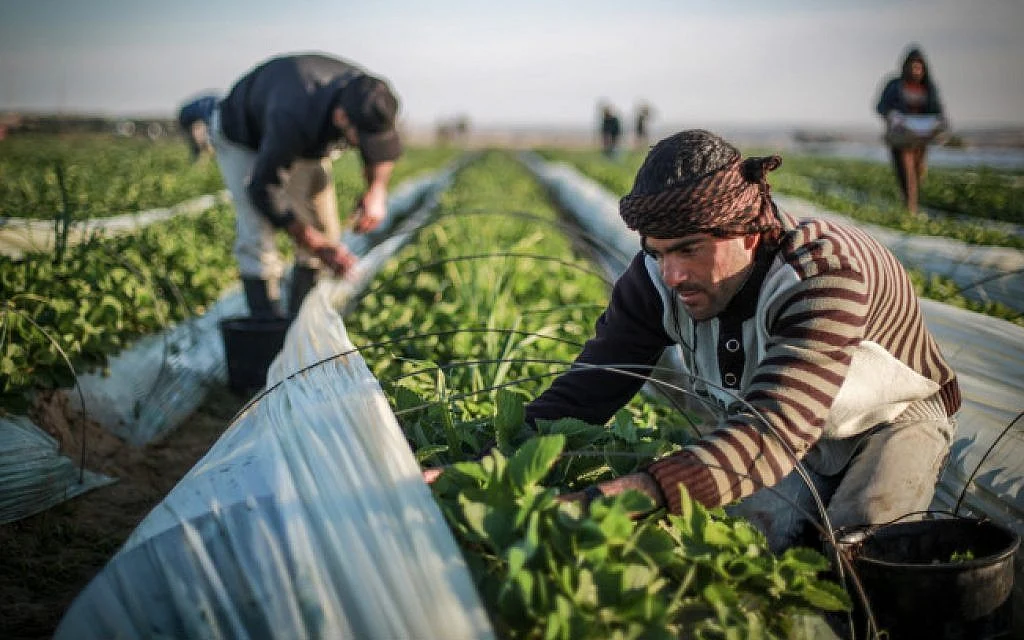
Al Jazeera reports that Mohammed, a Gaza farmer, says he "risks his life each time he returns to tend his fields because Israeli tanks and frequent gunfire are only a few hundred metres away."
He says his family’s 22 hectares have been devastated, with "more than three hectares of greenhouses, his irrigation network, nine wells, two solar systems and two desalination plants were levelled."
The FAO’s July 2025 assessment cited by Al Jazeera found "over 80% of Gaza’s cropland was damaged and under 5% remains available for cultivation."
The available alternative source (Oz Arab Media) did not provide substantive reporting on the incident, only a subscription prompt, indicating limited cross-source coverage in the materials provided.
Coverage Differences
Unique Coverage
Al Jazeera (West Asian) provides direct first‑person reporting from a farmer and cites FAO data on cropland destruction; Oz Arab Media (Western Alternative) did not supply an article and only displayed a subscription prompt, so it contributes no firsthand detail or data.
Farmland loss and access restrictions
Al Jazeera describes the scale of agricultural destruction as acute.
Mohammed has been able to return to just one hectare of his former 22 hectares, while the other 21 hectares "lie inside the buffer zone and are inaccessible."
His remaining plot sits roughly 200 metres from the "yellow line," where Israeli tanks "often approach and fire."
These details show active Israeli military control and fire that constrain rebuilding and farming.
Al Jazeera frames this as part of territorial and security measures that have turned most cropland into unusable ground, according to FAO findings.
Coverage Differences
Tone
Al Jazeera presents a vivid, on‑the‑ground account highlighting direct Israeli military action (tanks approaching and firing) and cites FAO damage estimates; Oz Arab Media offers no coverage to either corroborate or contest these specifics, leaving a gap in alternative narration.
Gaza agricultural losses
Al Jazeera links agricultural losses to Israel’s expansion of a buffer zone that now covers 'about 58% of the Gaza Strip—much of it agricultural land,' and says Palestinians fear permanent loss of their farms.
The report documents destroyed infrastructure such as greenhouses, wells and desalination systems.
It also shows how Israeli military positioning and firepower restrict movement and the rehabilitation of fields.
Where Al Jazeera provides these specifics, the other provided source does not offer corroboration or an alternate perspective.
Coverage Differences
Narrative Framing
Al Jazeera frames the issue as loss of livelihoods and land due to Israeli expansion of a buffer zone and active firing; Oz Arab Media's supplied content is a prompt and offers no narrative framing, creating an absence rather than a competing viewpoint.
Agricultural damage assessment
The supplied material documents Israeli military presence, tank movements and gunfire restricting farmers like Mohammed from rebuilding.
The material also cites an FAO report showing catastrophic damage to Gaza cropland.
These facts support describing the situation as systematic destruction of agricultural capacity.
However, the available sources do not themselves use the word "genocide" in the provided excerpts, so that specific label cannot be attributed directly to these articles.
Finally, the second provided source (Oz Arab Media) contains no reporting to confirm, contest, or expand the Al Jazeera account, producing a significant gap in multi-source corroboration within the set of materials you gave.
Coverage Differences
Missed Information
Al Jazeera supplies detailed, on‑the‑ground reporting and cites FAO data; Oz Arab Media fails to provide coverage beyond a subscription prompt, meaning the dataset lacks alternative or corroborating perspectives and leaves open questions that cannot be resolved from these sources alone.