Full Analysis Summary
NGO restrictions in Gaza
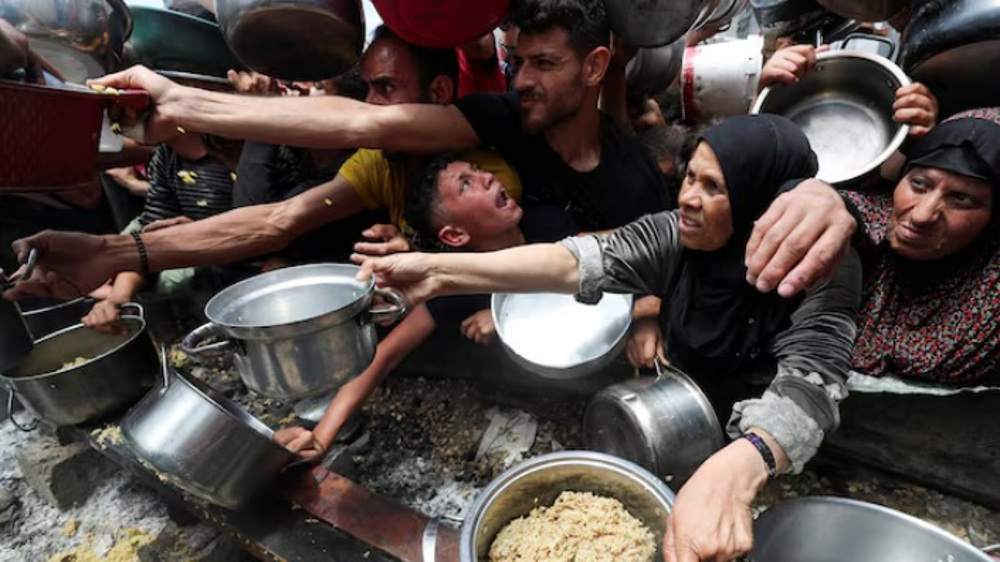
Israel has introduced stringent registration rules for international NGOs operating in Gaza and the occupied West Bank that aid agencies and the UN warn could collapse the humanitarian response.
The BBC reports the system, introduced in March with a 31 December registration deadline and a 60‑day closure for organisations not approved, uses vaguely defined political criteria and puts many groups at risk, with only 21 of roughly 100 applications approved so far.
Daily Sabah says several organisations have already been barred, including Save the Children and the American Friends Service Committee, and that although the ceasefire called for 600 aid trucks daily only 100–300 are currently allowed in, a sharp shortfall.
MSF warned the rules could bar many organisations beginning Jan. 1 and leave hundreds of thousands without lifesaving care.
These changes threaten to remove international NGOs that run most field hospitals, primary health centres and core services in Gaza, imperilling aid delivery as winter worsens.
Coverage Differences
Tone & emphasis
BBC (Western Mainstream) frames the story around the policy design, deadlines and UN operational warnings, emphasizing legal criteria and the potential jeopardy to services. Daily Sabah (West Asian) highlights specific groups barred, the reduction in daily aid trucks, and the administrative pressure on NGOs. Press TV (West Asian) focuses on MSF’s operational numbers and the immediate risk of hundreds of thousands losing care. Each source reports the same policy but emphasizes different consequences and evidence.
Impact on Gaza health services
Implementation of the rules has already produced concrete harm to lifesaving services, with many international NGOs reporting restricted access or outright rejection.
The UN warns that de-registration could close one in three health facilities in Gaza.
The BBC cites the UN’s Humanitarian Country Team saying the rules fundamentally jeopardize operations because international NGOs run or support most Gaza field hospitals and primary health centres, and that de-registration could threaten a fragile ceasefire by closing a third of facilities.
Daily Sabah reports that NGOs rejected under the rules were given 60 days to withdraw international staff, and diplomats and aid workers warn that experienced organizations could be forced out by the deadline, creating large gaps by Jan. 1.
MSF told Press TV its teams conducted nearly 800,000 outpatient consultations and over 100,000 trauma treatments in 2025 and warned that cancelling registrations would further dismantle an already devastated health system.
Coverage Differences
Detail & evidence emphasis
BBC emphasizes the UN’s operational analysis and concrete estimated impacts on health infrastructure. Daily Sabah stresses administrative steps (60‑day withdrawals, specific organisations barred) and diplomatic warnings about gaps. Press TV foregrounds MSF’s treatment statistics to show the scale of medical work that would be lost if registrations are cancelled.
Restrictions on humanitarian NGOs
Humanitarian organisations say some elements of Israeli rules force them to choose between complying with political demands and upholding humanitarian principles.
The BBC lists vague political exclusions, including rejecting groups that deny Israel as a Jewish state, deny the Holocaust or the 7 October attacks, support boycott or armed struggle, or back prosecutions of Israeli forces.
International NGOs say these criteria risk forcing them to violate neutrality or international law and are therefore impossible to meet.
Daily Sabah reports NGOs largely complied with registration rules but refused to provide sensitive information on Palestinian staff and flagged a vague requirement to prove they do not engage in 'delegitimization' of Israel.
Médecins Sans Frontières warned, as reported by Press TV, that the rules risk cancelling registrations and urged authorities to allow INGOs to continue independent, impartial work.
Coverage Differences
Narrative focus & legal framing
BBC (Western Mainstream) provides a detailed list of the political criteria and notes the legal/operational tension with humanitarian principles. Daily Sabah (West Asian) highlights NGO refusals to hand over Palestinian staff data and the 'delegitimization' test. Press TV (West Asian) focuses on MSF’s plea for independence and frames the rules as dismantling the health system. The sources differ in framing the policy as a legal problem, a security/political purge, or an operational collapse.
Media coverage of Gaza
This passage compares how different outlets report the human cost and contested language around the Gaza situation.
Press TV cites casualty figures in Gaza since October 2023 of at least 70,937 killed (mostly women and children) and 171,192 wounded, and reports that MSF treated hundreds of thousands of patients in 2025 while highlighting deaths from winter exposure.
Daily Sabah records that rights groups, including Amnesty International and Human Rights Watch, have accused Israel of committing genocide in Gaza and presents those accusations as part of its coverage.
By contrast, the BBC does not use the term genocide and instead stresses the risk of operational collapse and that loss of INGO access would be a disaster for Palestinians, quoting MSF and Save the Children.
These differences show West Asian outlets foregrounding casualty totals and rights‑group accusations while the BBC focuses on operational assessment and Israeli government responses.
Coverage Differences
Severity & accusatory language
Daily Sabah (West Asian) reports that Amnesty and HRW 'have accused Israel of committing genocide in Gaza,' using the strongest language reported in the sources. Press TV (West Asian) provides high casualty figures and concrete medical workload and winter deaths to underline severity. BBC (Western Mainstream) focuses on operational jeopardy and quotes aid agencies calling loss of INGO access 'a disaster for Palestinians,' but does not repeat genocide allegations itself.
Israel NGO policy effects
Sources agree Israel’s new NGO registration regime is likely to shrink or remove crucial humanitarian actors in Gaza and the West Bank, though they differ in emphasis and language.
The BBC frames the immediate problem as a policy that 'fundamentally jeopardise[s]' core services and notes Israel defended the move as removing 'rogue organisations'.
Daily Sabah documents specific organisations barred, reports a cut in aid truck flows, and cites rights groups saying they 'have accused Israel of committing genocide in Gaza'.
Press TV emphasizes MSF's operational scale and casualty tallies, warning the health system could be further dismantled and that hundreds of thousands might be left without care from Jan. 1.
Overall, the sources indicate a high risk of service collapse, but details such as exact truck numbers, the final list of deregistered NGOs, and whether the policy will be fully enforced remain uncertain or contested.
Coverage Differences
Missed information & uncertainty
All three sources document danger to humanitarian operations, but they leave some facts ambiguous: BBC gives approval/rejection counts (21 approved, 14 rejected) while Daily Sabah and Press TV stress barred groups and operational impacts; none provide a definitive, unified accounting of total NGOs that will be closed or an independently verified final tally of aid trucks or staff withdrawals. This produces uncertainty about the full immediate scale of collapse.