
Israel-Hezbollah war drives 119,000 Syrians to return to Syria from Lebanon
Key Takeaways
- About 119,000 Syrians returned from Lebanon to Syria since the conflict began.
- 125,784 people entered Syria from Lebanon since fighting began.
- Figures come from IOM's Displacement Tracking Matrix reported via AFP.
Mass Syrian Returns
The Israel-Hezbollah conflict has triggered significant demographic shifts in the region.
“The United Nations International Organization for Migration (IOM) said that about 119,000 Syrians have returned from Lebanon to their homeland since the outbreak of the current confrontation between Israel and Hezbollah, in the midst of the U”
Large numbers of Syrian refugees are returning to their homeland from Lebanon.
According to the UN refugee agency, over half a million Syrians returned from Lebanon last year.
This mass return movement occurred amid escalating tensions and military operations in the region.
Israel has carried out intensive air strikes on Lebanon, killing more than 900 people.
Over 2,200 others have been injured in the Lebanon strikes.
The displacement crisis has been exacerbated by regional war dynamics.
Syria has maintained its position outside the direct conflict while still feeling repercussions of neighboring instability.
Lebanon Displacement Crisis
The displacement crisis in Lebanon has reached unprecedented levels.
Authorities have registered more than one million people on displacement registers.
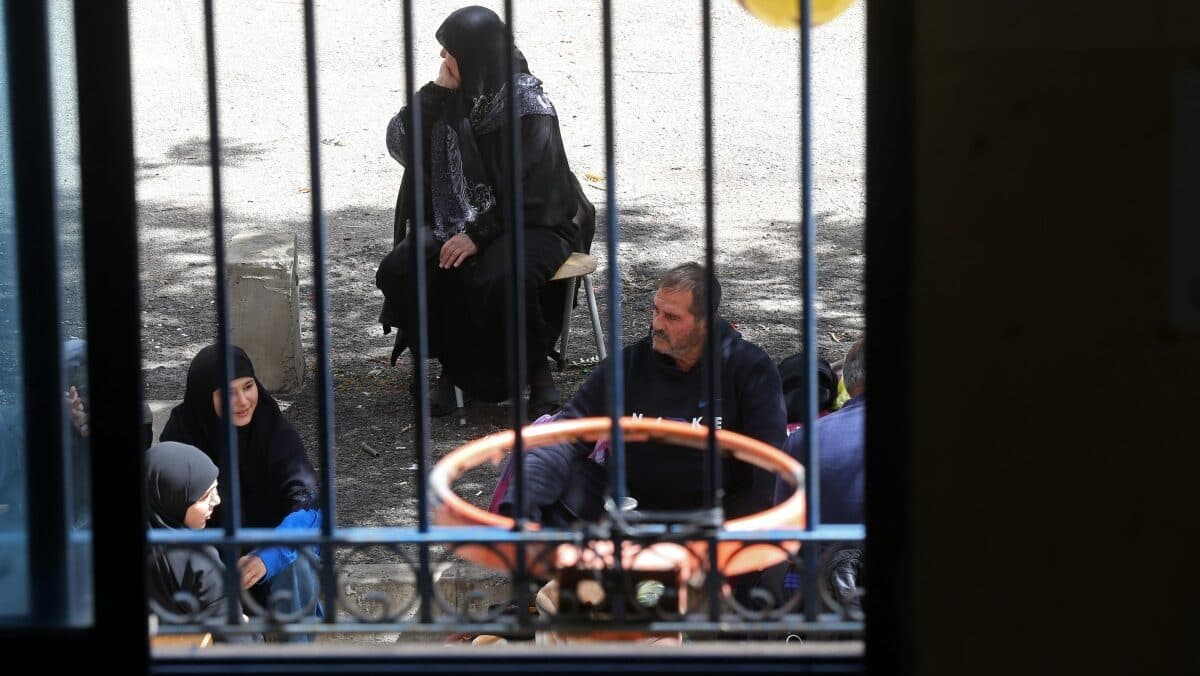
Over 130,000 displaced people are living in approximately 600 collective shelter centers.
The humanitarian situation has been complicated by regional tensions.
Lebanon recently banned scrap imports from Syria following reports.
This reflects interconnected nature of regional conflicts and their impact on civilian populations.
Vulnerable refugee communities are caught between political changes and military confrontations.
Regional Political Shifts
The political landscape of the region has undergone significant transformations.
“Three Palestinian women killed in West Bank in missile shrapnel Israel doubles troops in Hezbollah fight, searches homes in south Lebanon Kuwait arrests 10 Hezbollah members, thwarts 'terrorist' plot Will Gaza's ceasefire survive the US-Israeli war on Iran”
The fall of Bashar al-Assad in 2024 marked a pivotal moment influencing refugee return patterns.
Assad had been backed by Iran and Hezbollah, highlighting complex geopolitical alliances.
These alliances have shaped the Syrian conflict and its regional implications.
As refugees return to Syria, they navigate a country emerging from authoritarian rule.
They deal with the aftermath of war while trying to rebuild their lives.
Regional dynamics between Israel, Hezbollah, and other actors influence neighboring country stability.
This creates a complex web of displacement and return movements.
Humanitarian Spillover Effects
Humanitarian consequences of Israel-Hezbollah conflict extend beyond immediate casualties.
They include long-term population displacement and refugee movements.
Syria has avoided direct involvement in regional war but experienced spillover effects.
These effects have been profound for large Syrian refugee population in Lebanon.
South Lebanon's medics brave Israeli attacks to heal the wounded.
Healthcare workers provide services despite dangerous conditions.
Military operations in one country create ripple effects across borders.
Forces vulnerable populations to make difficult decisions about safety and rebuilding.
More on Syria
US and Israel Kill Iran's Supreme Leader in Wide-Ranging Strikes
24 sources compared

Israel's Strikes on Lebanon Force Tens of Thousands Back Into Syria as Crossings Reopen
14 sources compared
Syria Deploys Army Units Along Lebanon And Iraq Borders, Says Measure Is Defensive
16 sources compared
Israel and Iran Exchange Strikes; Missile Explosion Kills Four in Sweida
15 sources compared