Gaza Genocide09 October, 20252 min read
Israel Implements Ceasefire, Withdraws Troops From Parts of Gaza and Begins Hostage Swap Under Trump Plan
Israel and Hamas signed off on the first phase of Trump's 20-point Gaza plan Ceasefire took effect; Israeli forces pulled back to an agreed Gaza line
34 outlets told this the same way.
Outlets did split on Israel Marks Oct. 7 Anniversary With Strikes on Gaza, Netanyahu Faces Election After Nova Tribute →
Ceasefire terms and response
Israel and Hamas announced and implemented a first-phase ceasefire under former U.S. President Donald Trump's 20-point plan.
“Within 72 hours of Israel publicly accepting the deal, all hostages—alive and deceased—would be returned.”
Hamas agreed to release the remaining living hostages and hand over bodies of the deceased, and Israel began withdrawing troops from parts of Gaza as the swap and humanitarian corridors moved forward.

Reports said the ceasefire would take effect within 24 hours of Israeli ratification, with the hostage release schedule tied to Israeli withdrawal lines and prisoner lists to be approved by Israel.
Mediators including Qatar, Egypt and Turkey were credited in negotiations, and the pause prompted immediate scenes of relief in Gaza and celebrations in Israel even as questions about sequencing and implementation remained.
Human toll and allegations
The human toll driving the deal is stark.
Hamas’s Oct. 7, 2023 raid killed about 1,200 people and saw roughly 250 taken hostage.

Israel’s military offensive in Gaza has killed more than 67,000 Palestinians, according to Gaza health authorities and multiple outlets, with many sources reporting huge numbers of women and children among the dead.
Experts, including some commissioned by U.N. bodies and human-rights organizations, have increasingly said Israel’s offensive amounts to genocide — an allegation Israel rejects — and organizations such as Amnesty have demanded a durable ceasefire grounded in international law.
Swap and aid terms
Many accounts said roughly 20 living Israeli hostages were to be released together within days, with the bodies of others returned gradually. Israel would free about 2,000 Palestinian prisoners, including hundreds serving long sentences. At least several hundred aid trucks a day would enter Gaza in the opening phase.
“Within 72 hours of signing, all 20 remaining living Israeli captives are to be released at once (with the bodies of deceased captives returned gradually), while roughly 2,000 Palestinian prisoners ... will be freed once the final list is approved.”
An international mechanism would oversee reconstruction and a temporary technocratic government. The initial withdrawal lines, scope of Israeli troop pullback, and exact sequencing — including whether Hamas would disarm while Israeli forces remained — remained disputed and operationally unclear.
Reactions to ceasefire deal
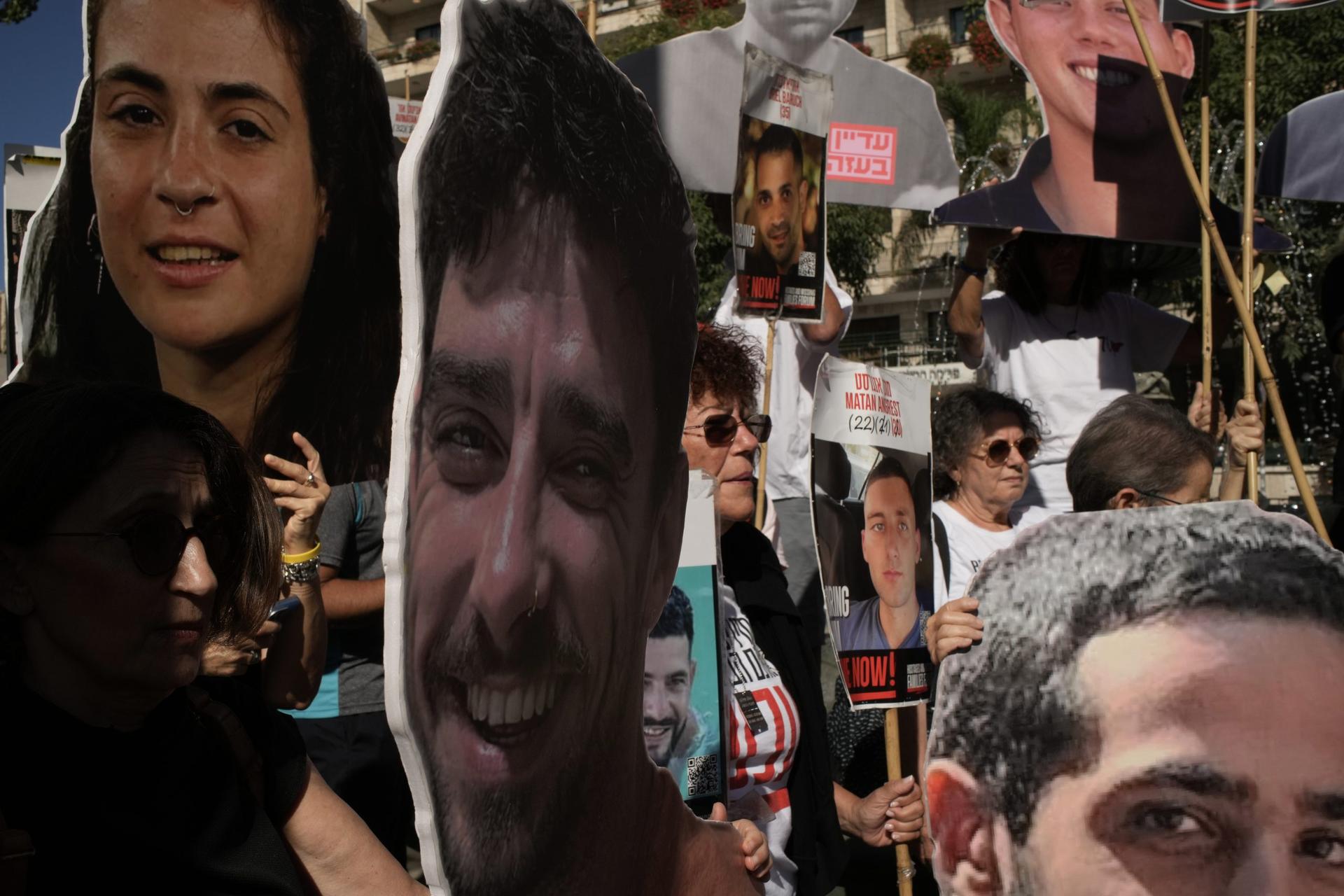
Political obstacles and skepticism ran high. Israel's cabinet still had to ratify the framework, and far-right ministers in Netanyahu's government were reported to oppose the deal. Israeli families of hostages both celebrated and demanded guarantees to bring every captive home.
Observers warned the deal's durability was doubtful because previous hurried ceasefires had collapsed over sequencing disputes. Israeli strikes continued in some areas after the announcement.

Both sides would need outside pressure and verification. U.N. officials and Turkey called for honoring commitments while Trump claimed credit and planned visits to the region.
Gaza reconstruction and accountability
Humanitarian needs and reconstruction remain urgent and contested. Gaza’s infrastructure is devastated. Many people remain displaced in tent encampments.
“Humanitarian aid has been tightly restricted, producing severe shortages of food and medicine and forcing much of Gaza’s population of over 2 million into tent encampments in the south near the Egyptian border.”
Aid was tightly restricted until the deal. Rebuilding will take years. Implementation plans include international oversight and donor-driven development schemes that some Palestinians reject as foreign control.

Calls for accountability and rights-based guarantees underline that ending hostilities is only a first step toward justice, reconstruction and durable governance. Amnesty demanded an end to what it called 'genocide' and the U.N. appealed for unhindered aid.