Gaza Genocide05 February, 20263 min read
Israel Indicts Shin Bet Chief's Brother for Assisting Enemy After Smuggling Cigarettes into Occupied Gaza
This article is an automated aggregation of coverage from news outlets. Our editorials offer in-depth analysis curated by the NewsCord team.
Bezalel Zini, Shin Bet chief's brother, indicted for smuggling cigarettes and aiding the enemy Prosecutors say he smuggled about 14 cartons and received 365,000 shekels

17 outlets told this the same way.
Outlets did split on Israel Marks Oct. 7 Anniversary With Strikes on Gaza, Netanyahu Faces Election After Nova Tribute →
The Guardian was read line by line by the Watchdog: 5.5. See the score →
Gaza smuggling indictment
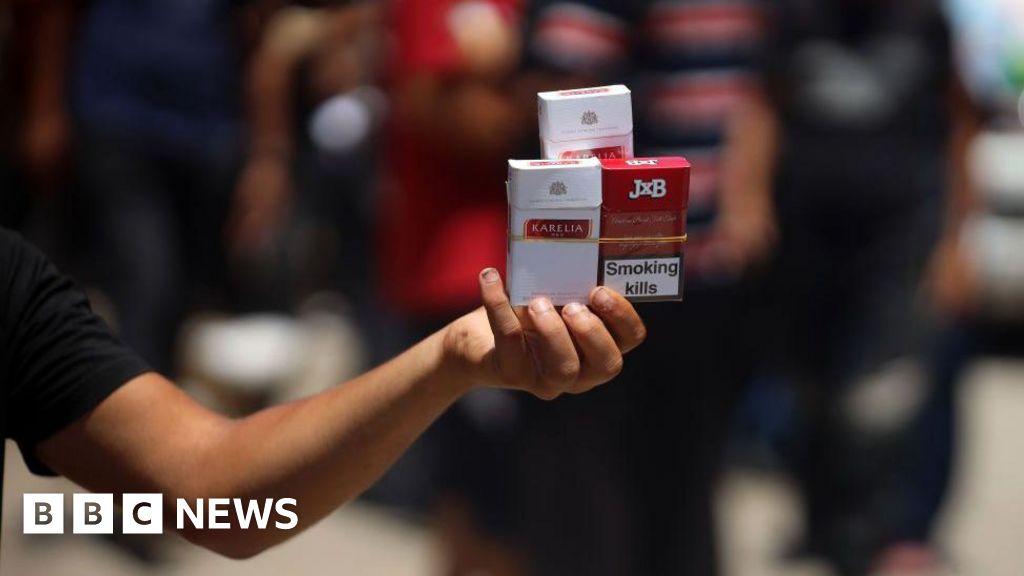
Israeli prosecutors have indicted Bezalel Zini, a 50-year-old military reservist and the brother of Shin Bet chief David Zini. He is charged with smuggling cigarettes and other goods into besieged Gaza and with offenses including aiding or assisting the enemy during wartime, transactions for terrorist purposes, aggravated fraud and taking bribes. Authorities say Zini brought roughly 14 cartons of cigarettes into Gaza on multiple occasions and received payment for the runs.
“Israeli authorities have indicted 50-year-old Bezalel Zini, accusing him of smuggling cigarettes and other goods into Gaza during the war and profiting from the trade.”
Prosecutors describe the case as part of a wider organized smuggling operation that moved millions of shekels' worth of contraband into the Strip. Zini denies the allegations and his lawyers say claims he aided the enemy are baseless and that it was only about cigarettes.

Alleged Gaza smuggling operation
Prosecutors portray the operation as structured and repeatable, saying defendants allegedly used convoy-entry permits, IDF procedures and, in some runs, military uniforms to move contraband through the Sufa crossing and other points into a closed Gaza during the war. The indictment and reporting list cigarettes and tobacco as the main commodity, but also mention iPhones, batteries, communication cables, car spare parts and other items. Authorities say the network sometimes disguised shipments as operational needs or humanitarian consignments, and that suppliers in the West Bank and couriers on both sides of the crossings facilitated transfers into Gaza.
Shin Bet-related probe
The case is politically sensitive because Bezalel Zini is the brother of Shin Bet director David Zini. Outlets report that David Zini has not been charged, and authorities shifted parts of the probe away from Shin Bet. The police Southern District took charge of some aspects of the investigation.
“Officials say there is no evidence linking David Zini to the allegations; his appointment as Shin Bet director had already been controversial because he came directly from the IDF and faced criticism over an ‘extreme worldview.’”
Media coverage varies: some reports stress Shin Bet's recusal and official statements that there is no evidence linking David Zini to the allegations. Other outlets and commentators note criticism of David Zini's silence and scrutiny over his appointment and background.
Smuggling, Funding, and Gaza Casualties
Prosecutors and the justice ministry say the smuggling materially strengthened Hamas’s economic control in Gaza by funneling revenue from contraband sales into the enclave. Officials told reporters that tobacco and cigarettes have generated "hundreds of millions of shekels" for Hamas since the war began. Reporting places the case in the wider context of massive Palestinian deaths and destruction in Gaza.
The Guardian cites UN and rights groups describing the Gaza campaign — with more than 70,000 Palestinians killed in its account — as amounting to genocide. Regional outlets give higher casualty figures and describe continued Israeli operations blamed for thousands more casualties after a ceasefire.
Legal and political fallout
The legal scope and political fallout remain contested in reporting. Outlets variously report that prosecutors charged 12 people and a company, or at least 13 people, and they disagree on other details. Reports also differ on amounts co-defendants earned, with one saying Halperin received roughly 4.3 million shekels and another listing early splits of NIS 30,000.
“Authorities say the trio ran organized, profitable smuggling rounds while Gaza was a closed military zone...earning about 365,000 shekels; Halperin received roughly 4.3 million shekels and Ben David about 815,000 shekels.”
Media coverage records seizure requests for assets and alleged links to right-wing volunteers. There is renewed debate about rules for senior officials whose relatives are accused of serious crimes, including references to Grunis Committee Clause 14 and calls from parts of the right for David Zini to consider his position.
