Gaza Genocide07 January, 20262 min read
Israel Issues Tender to Build 3,401 Illegal Settler Homes in Occupied E1, Severing West Bank and Burying Palestinian State
This article is an automated aggregation of coverage from news outlets. Our editorials offer in-depth analysis curated by the NewsCord team.
Israel Land Authority issued a tender for 3,401 settler homes in E1 east of Jerusalem Tender marks shift from long‑delayed planning to implementation of the E1 project, approved August 2025

8 outlets told this the same way.
Outlets did split on Thousands March in London Calling for Britain to Stop Arming Israel and Impose Sanctions →
E1 housing tender announced
Israeli authorities published a tender to build 3,401 settler housing units in the E1 area east of Jerusalem. Palestinian officials and rights groups say the project will sever East Jerusalem from the West Bank and bury any prospect of a contiguous Palestinian state. Multiple Palestinian and regional bodies called the move an effective restart of the E1 plan.
“Israeli authorities issued a tender for 3,401 settler homes in the E1 area east of Jerusalem in the occupied West Bank, the Palestinian Wall and Settlement Resistance Commission said.”
They noted that approval procedures were completed in August 2025 and that Israel has simultaneously issued tenders for more than 10,000 settlement units across the West Bank this year. Critics warn the E1 tender is not an isolated step but part of a broader surge in settlement construction that will create irreversible facts on the ground.

E1 strategic corridor impacts
The scale and placement of the tenders make clear why analysts call E1 a strategic corridor; the plans include more than 7,000 units for Ma'ale Adumim and large additional master plans across the occupied Jerusalem governorate that would link Israeli settlements and bisect Palestinian population centers.
Palestinian and Israeli watchdogs say the E1 construction would isolate East Jerusalem and block Palestinian urban growth east of the city, foreclosing a contiguous Palestinian state and producing what some groups describe as an 'apartheid-like' outcome.

E1 tender and West Bank
The E1 tender sits within a larger pattern that observers tie to Israel’s wartime moves and rights groups’ findings. The Guardian reports a surge in killings and displacement in the West Bank since October 2023, noting "hundreds of Palestinians have been killed in the West Bank (about one in five reportedly children)".
“Since October 2023 hundreds of Palestinians have been killed in the West Bank (about one in five reportedly children) and tens of thousands displaced.”
Rights groups and a UN commission have characterized aspects of Israel’s conduct as genocidal. Regional reporting and Palestinian officials link the settlement surge to steps that entrench Israeli control, moves described as creating an apartheid-like system and amounting to de facto annexation.
West Bank settlement expansion
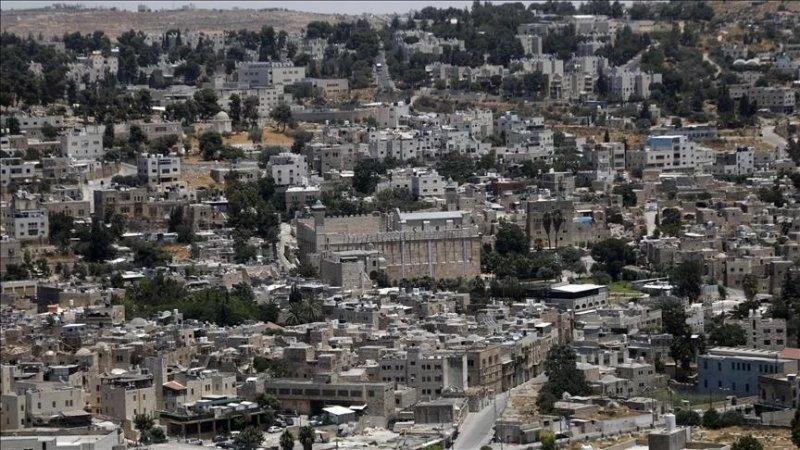
Numbers and administrative moves underline the speed of expansion. Palestinian bodies report that Israel issued tenders for 10,098 settlement units across the West Bank in 2025. More than 7,000 of those units are planned for Ma'ale Adumim, with additional allocations specified for Efrat and Ariel.
Watchdogs and municipal agreements signed in the presence of Prime Minister Benjamin Netanyahu, Anadolu reports, have accelerated plans that had been dormant for decades. Israeli authorities are also reported to have reviewed dozens or hundreds of master plans across the occupied Jerusalem governorate and the West Bank to allow tens of thousands of units to be built.
International response to settlements
International law bodies and Palestinian leaders have demanded action. They cite earlier rulings and statements, including an International Court of Justice advisory opinion and United Nations positions that consider the settlements illegal, as legal grounds to condemn the tenders and call for international pressure.
“In 2024 the International Court of Justice issued an advisory opinion ruling that Israel’s occupation of Palestinian territories violated international law and ordered Israel to end the occupation ‘as rapidly as possible’ and make full reparations.”
Palestinian leaders, watchdogs such as Peace Now, and regional commentators warn that accelerating settlement entrenchment risks making a two-state solution impossible. They also say this increases the likelihood of further deadly operations by Israeli forces against Palestinians on occupied land.
