Full Analysis Summary
Gaza disarmament ultimatum
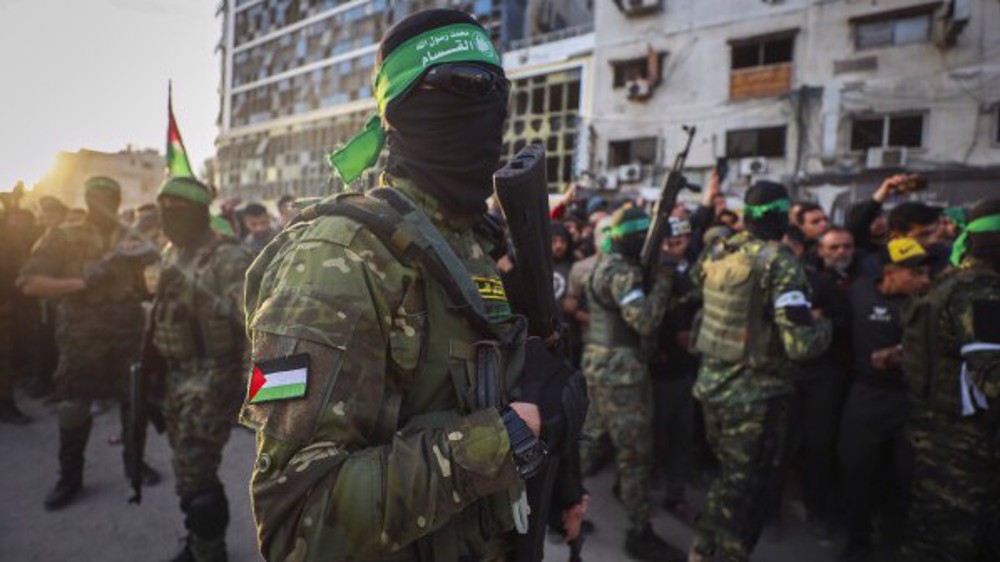
Israel issued an ultimatum ordering Hamas to disarm and warned it will reignite the war if disarmament does not occur.
Israeli officials were cited saying, "If it works, great. If not, then the IDF will have to complete the mission."
The US-brokered second phase of the ceasefire that began in mid-January ties disarmament to deployment of an international peacekeeping force.
Hamas has refused to disarm while Israel occupies Gaza, and Khaled Meshaal rejected calls to strip weapons from Palestinian factions.
These developments place responsibility for enforcing disarmament at the intersection of Israeli threats, US diplomatic pushes, and Hamas refusal.
Citations below document the ultimatum language, the US role, and Hamas’s stated position.
Coverage Differences
Narrative Framing
Al Jazeera (West Asian) frames the situation as an Israeli ultimatum tied to the US-brokered ceasefire, quoting Israeli remarks about completing the mission and reporting Hamas’ refusal to disarm; PressTV (West Asian) provides no relevant coverage in the snippet supplied and therefore does not offer a competing framing or additional details.
Hamas rejects disarmament ultimatum
Hamas officials have publicly rejected disarmament demands and warned that any Israeli threat to resume the war would have "serious repercussions."
Al Jazeera quotes a Hamas official, Mardawi, saying Palestinians "will not surrender."
Khaled Meshaal, the movement’s political leader abroad, also said disarmament would leave an occupied people vulnerable.
These statements underscore Hamas’s unwillingness to give up arms under occupation and frame the ultimatum as a proximate trigger for renewed large-scale fighting if Israel enforces it militarily.
Coverage Differences
Tone
Al Jazeera conveys direct quotes from Hamas leaders expressing defiance and fear of vulnerability if forced to disarm; PressTV’s snippet contains no commentary and therefore provides no alternative tone or counterquotes.
Gaza casualties and aid restrictions
Al Jazeera reports a severe human toll and alleged ceasefire breaches: more than 72,000 people — including thousands of children — have been killed in Gaza since October 2023, and more than 600 Palestinians have been killed since the ceasefire took effect.
Gaza authorities are reported to have counted some 1,520 violations of the ceasefire.
The article also documents severe humanitarian conditions in Gaza.
It alleges tight Israeli restrictions on food, medicine, medical supplies and shelter materials entering the territory, where roughly two million Palestinians are living in catastrophic conditions.
Coverage Differences
Missed Information
Al Jazeera provides casualty figures, counts ceasefire violations, and reports Israeli-imposed restrictions on aid into Gaza; PressTV’s snippet contains no reporting on casualties, ceasefire breaches, or humanitarian access and thus omits these critical facts in the material provided.
Source coverage limitations
The sources provided are limited: Al Jazeera gives detailed reporting on the ultimatum, Hamas’s response, casualty figures and alleged Israeli restrictions.
The PressTV snippet supplied contains only unrelated technical instructions and offers no material on this story.
Because only Al Jazeera furnishes substantive reporting in the set of sources provided, many perspectives are absent from this compilation.
Missing perspectives include Western mainstream outlets, Israeli government statements beyond the quoted line, Gaza health authorities’ full accounting, and third-party NGO assessments.
These absences leave important gaps and uncertainty about responses and intentions beyond what Al Jazeera reports.
Coverage Differences
Unique Coverage
Al Jazeera (West Asian) supplies the substantive reporting used here; PressTV (West Asian) in the provided snippet supplies no reporting on the ceasefire, ultimatum, casualties, or humanitarian access, which creates a gap in comparative source coverage.