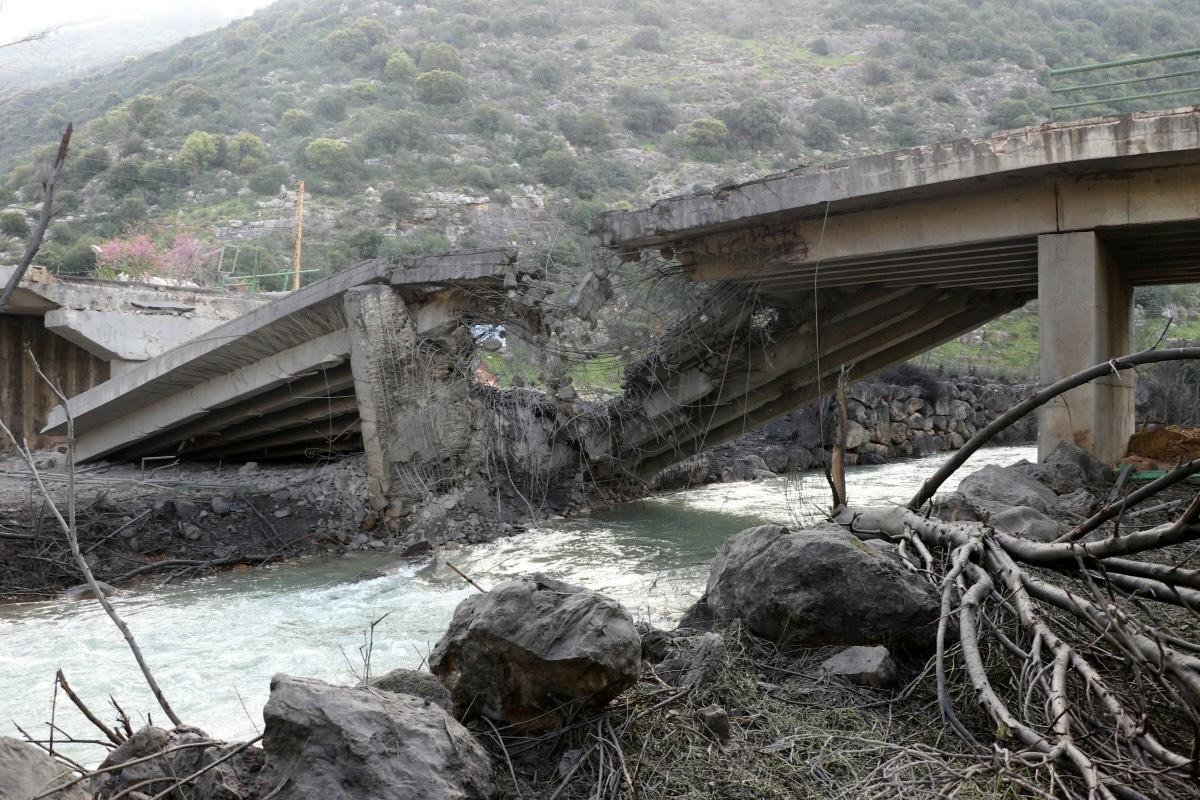
Israel Katz Orders Destruction of Litani River Bridges in Southern Lebanon
Key Takeaways
- Israeli strikes hit the Litani River corridor, destroying bridges and damaging water infrastructure.
- Oxfam condemns attacks on water infrastructure as potential war crimes.
- The Litani is treated as a strategic water resource and border by Israel.
Litani bridges targeted
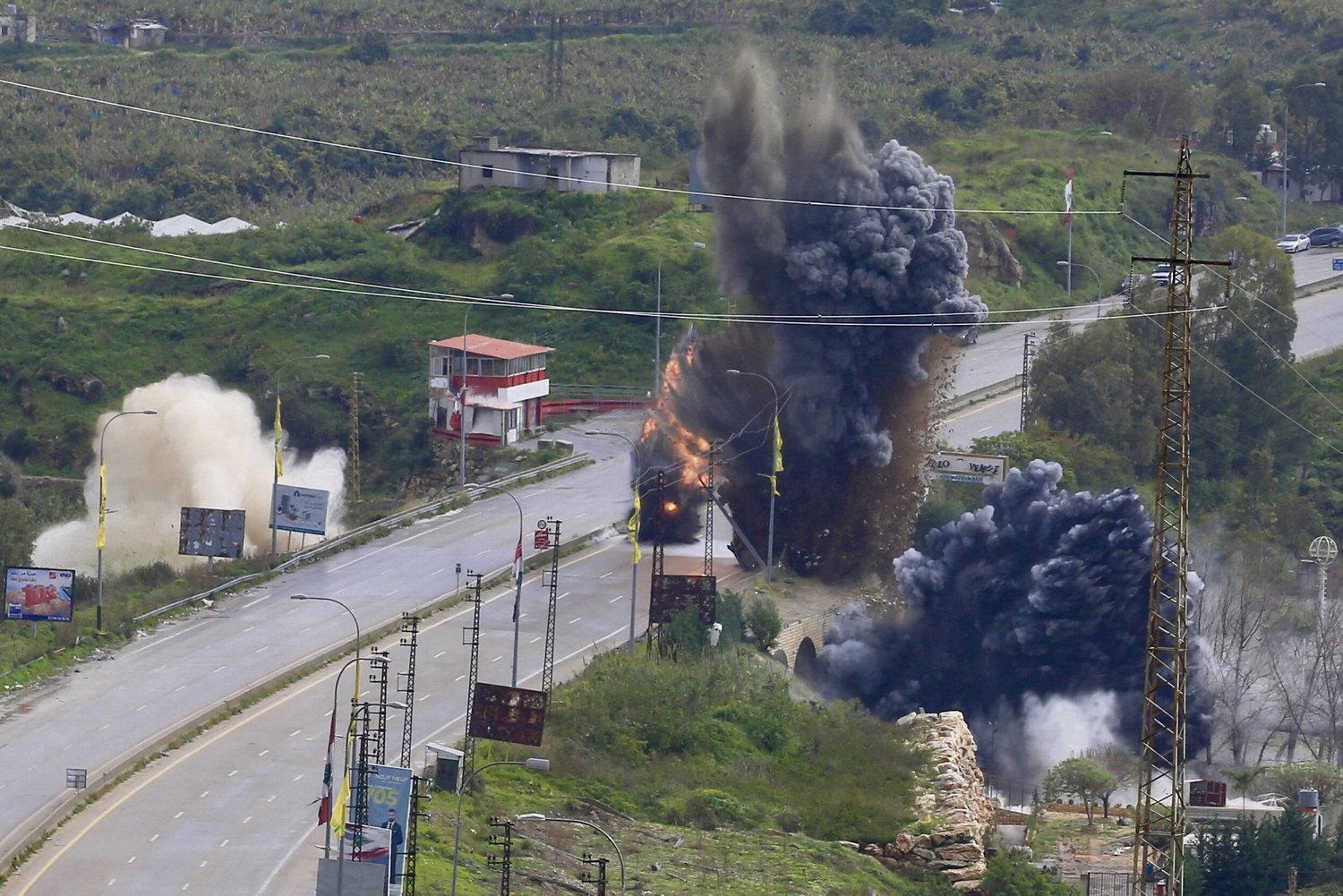
Israeli airstrikes and ground maneuvering in southern Lebanon have focused on crossings over the Litani River, with Israel Katz ordering the destruction of bridges and habitations in the south of the country.
“Al Mayadeen, March 25, 2026”
Ouest-France described Khiam as a strategically prime position above the Litani River valley and the Marjeyoun plain, and said the Israeli army was trying to advance under air cover and artillery fire while Hezbollah replied with anti-tank rockets, rapid strikes, and ambushes.
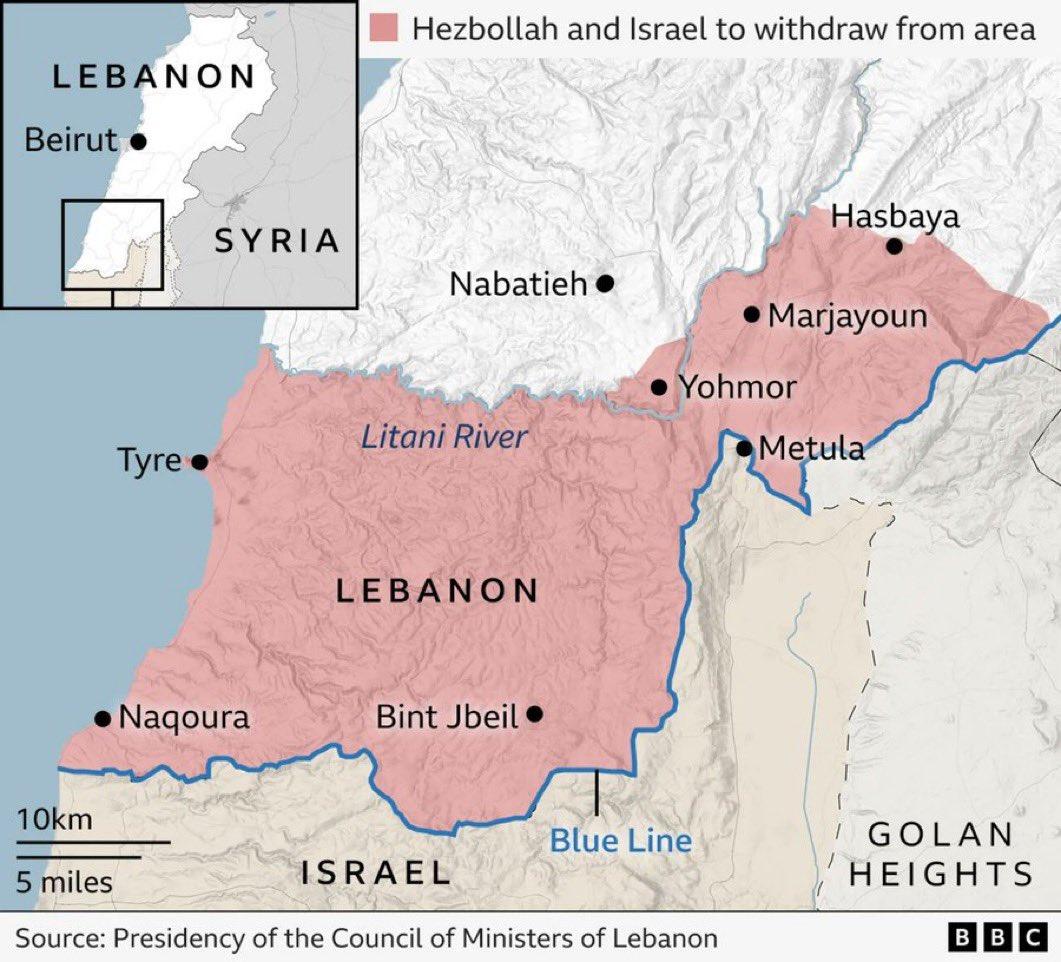
In the same reporting, Ouest-France said the destruction of the Qasmiyeh Bridge on Sunday spanned the Litani and sat on the main coastal road linking the city of Tyre to the rest of the country, while the Tayr Felsay and Kantara bridges upstream were also bombed a few days earlier.
TRT Français said the humanitarian situation is deteriorating continuously due to military pressure, and quoted Olivier Routeau saying, "People are living under this constant pressure of evacuation orders, texts asking people to move, bombings every night, every day,".
TRT Français also reported that since March 2 the Israeli army has bombarded several localities in Lebanon, leaving 968 dead and 2,432 wounded across Lebanon, according to figures from Lebanon's Ministry of Health.
Oxfam and Lebanon’s leaders
Oxfam condemned what it called a war crime in Lebanon and said Israeli forces are targeting civilian infrastructure, with L'Humanité stating that "L’organisation Oxfam condamne" a crime de guerre en cours au Liban.
L'Humanité reported that Israel Katz announced he was ordering an intensification of the destruction of bridges and habitations in the south of the country, and said the demolitions were carried out "dans la ligne du modèle que nous avons appliqué à Rafah et Beit Hanoun, à Gaza".
In a separate account, ISM-France said Oxfam warned that Geneva Conventions prohibit attacks against water installations and other essential goods for survival, and quoted Oxfam saying, "Any intentional deprivation of water or obstruction of humanitarian aid may constitute a war crime,".
ISM-France also cited Bachir Ayoub, director of Oxfam-Liban, saying, "The impunity with which Israel has benefited in Gaza for its water-related war crimes is once again blatant."
Ouest-France added that Lebanese President Joseph Aoun condemned the strikes as a "collective punishment against civilians" forced to flee north and as a "prelude to a ground invasion".
Water infrastructure and displacement
Beyond bridges, multiple outlets tied the conflict to attacks on water and sanitation infrastructure, with ISM-France saying Israeli forces systematically destroyed water and sanitation infrastructure and that Oxfam found Israel damaged at least seven essential water sources in four days.
“Analysis: Since the earliest maps of the Zionist movement at the start of the 20th century, this river, located about fifty kilometers north of the Lebanon–Israel border, has been claimed by the Jewish state as a 'natural border'”
ISM-France reported that those sources included reservoirs, water-supply networks, and pumping stations that supplied water to nearly 7,000 people in Lebanon's Bekaa region, and it warned that long-term consequences would be devastating for communities without drinking water when they return home.
Vert Le média described the director-general of the South Lebanon Water Establishment, Wassim Daher, confirming that "everything has been destroyed: wells, pumping stations, reservoirs, and water networks," and said all hydraulic infrastructure south of the Litani had been targeted even during the ceasefire that came into effect on November 27, 2024.
Vert Le média also said Action Against Hunger and Insecurity Insight reported that at least 150,000 people still lack running water in southern Lebanon, and it cited losses estimated at more than $171 million (€147 million) for water, wastewater, and irrigation.
TRT Français said the Israeli military operations have already displaced one million people out of a population of 5.8 million, and quoted Olivier Routeau warning, "Today a little more than a million Lebanese are under the threat of an evacuation order," as people left homes and villages in a rush.
More on Lebanon
Lebanon and Israel Sign Security Annex Linking Hezbollah Disarmament to Israeli Withdrawal
22 sources compared
Nabih Berri Condemns US-Brokered Lebanon-Israel Framework Agreement, Says It Will Not Pass
17 sources compared
Israeli Attacks Kill 4,247 in Lebanon, Injure 12,195 Since March 2
13 sources compared
IDF Destroys Hezbollah Tunnel Network in Majdal Zoun, Stores Drones and Warheads
28 sources compared