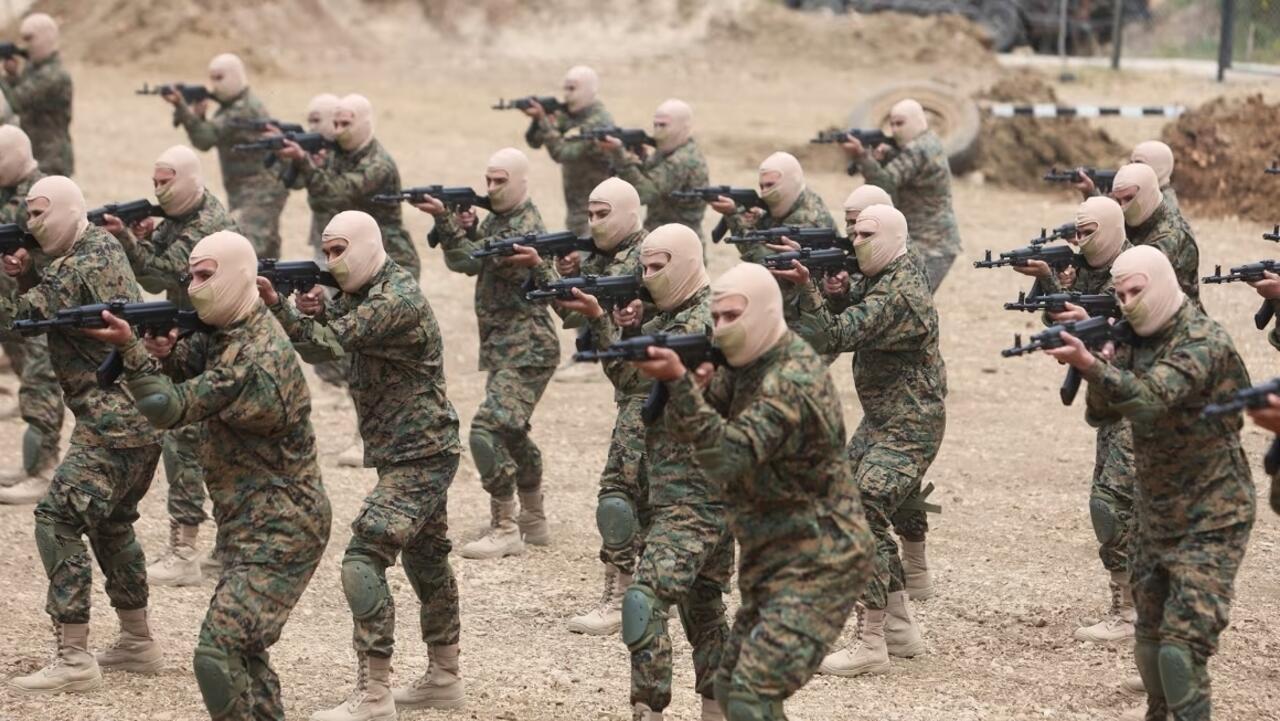
Israel Katz Warns Hezbollah Will Burn Lebanon as Hezbollah Trades Fire Across the Border
Key Takeaways
- Israel's defense minister warns Hezbollah will burn Lebanon, signaling catastrophic escalation.
- Hezbollah continues cross-border strikes and rejects direct talks with Israel.
- Ceasefire is under strain as Israeli strikes against Hezbollah in Lebanon escalate.
Threats, strikes, and border fire
Israel threatened to “burn” all of Lebanon after Hezbollah reiterated its defiance and rejection of peace talks as war across the border grinds on, with Israel’s Defence Minister Israel Katz warning that defiance would bring “catastrophic consequences.”
“Israel has threatened to “burn” all of Lebanon after Hezbollah reiterated its defiance and rejection of peace talks as war across the border grinds on”
In a statement cited by Al Jazeera, Katz retorted that Hezbollah’s stance would bring “fire will break out and engulf the cedars of Lebanon,” telling United Nations envoy to Lebanon Jeanine Hennis-Plasschaert that “If the Lebanese government continues to take cover under the wing of the Hezbollah terrorist organisation, fire will break out and engulf the cedars of Lebanon.”

Hezbollah leader Naim Qassem, in a statement carried by Al Jazeera, asserted that “sacrifices are great” but that the Lebanese people have two options: “Liberation and pride or occupation and humiliation.”
Al Jazeera also reported that despite a formal ceasefire, the Israeli army and Hezbollah “have continued to trade fire,” with the Israeli military reporting strikes on what it called Hezbollah infrastructure sites in the Bekaa Valley and attacks targeting the towns of Tibnin, Yater and Bint Jbeil.
Hezbollah, meanwhile, claimed attacks on Israeli forces within southern Lebanon, while the Israeli army said sirens sounded in the town of Arab al-Aramshe after an aircraft was reported to have entered northern Israel.
Lebanon’s Health Ministry, as cited by Al Jazeera, said Israeli attacks have killed 2,521 people since March 2, with a further 7,804 wounded.
Daily Sabah echoed the same core threat language, quoting Katz warning that “fire will burn the entire country,” and adding that he and Netanyahu instructed the Israeli army “to respond with overwhelming fire against Hezbollah in the event of any damage, threat, or violation of Israeli sovereignty.”
How the escalation unfolded
The current exchange of threats and strikes sits on top of a timeline that multiple outlets connect to earlier events and to the broader regional war, including the United States-Israeli war on Tehran.
Al Jazeera said Hezbollah resumed attacks against Israel on March 2, “in response to strikes that killed Iran’s Supreme Leader Ayatollah Ali Khamenei,” and it added that Lebanon has since outlawed Hezbollah’s military activities and held the first direct negotiations with Israel since 1983.
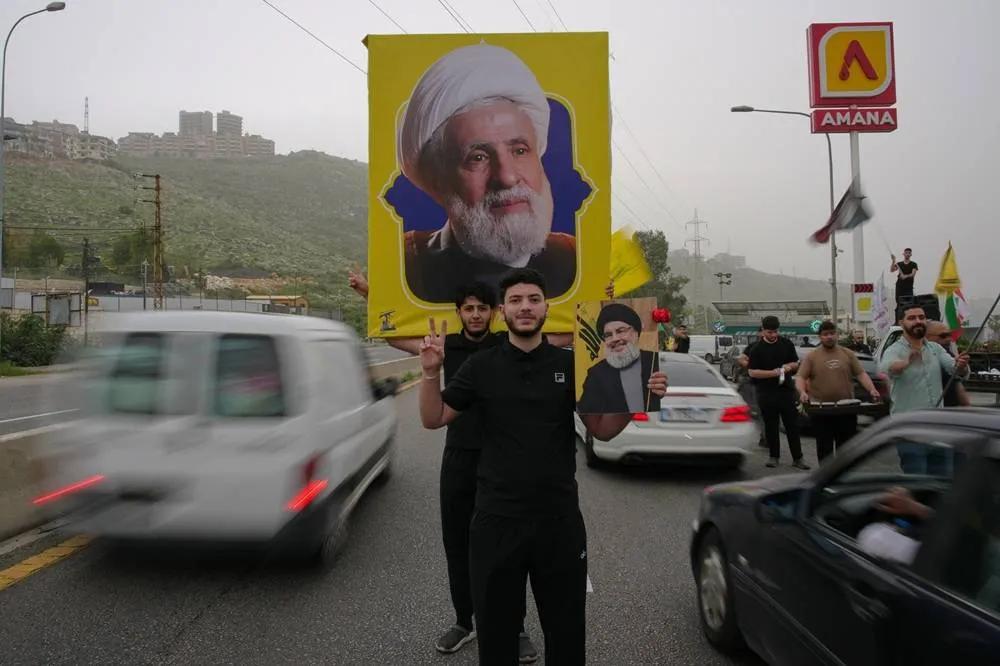
Al Jazeera also tied the latest hostilities to the broader conflict, saying the Iran-linked armed group condemned Beirut’s ongoing discussions with Israel and again refused to end its campaign of strikes “in the face of Israel’s persisting attacks on the south of the country.”
Daily Sabah described a separate escalation step, saying that on Saturday Netanyahu ordered the army to escalate its attacks against Lebanon in response to Hezbollah attacks, and it placed the scale of casualties and displacement in the same March 2 starting point.
Daily Sabah also reported that a 10-day ceasefire was declared between Lebanon and Israel on April 17, though Tel Aviv repeatedly violated it, and it said U.S. President Donald Trump announced on Thursday that Lebanon and Israel agreed to extend the truce by three weeks following a second round of talks in Washington.
The Media Line described the ceasefire as “a diplomatic arrangement between Israel and Lebanon” that “has not fully halted Israeli operations against Hezbollah,” and it said Netanyahu ordered the military Saturday to expand strikes on Hezbollah targets in Lebanon as Israeli officials warned that a fragile ceasefire could fall apart less than two weeks after it took effect.
EL PAÍS framed the same period through the language of occupation and destruction, saying Israel had tried out names for occupied territories in southern Lebanon and settled on “Yellow Line,” while describing a project of razing villages to drive out Hezbollah.
Voices from Beirut and beyond
The dispute over talks and the meaning of the ceasefire is carried through sharply worded statements from Hezbollah, Israeli officials, and Lebanon’s president.
“Israeli Defense Minister Israel Katz on Monday warned that Lebanon could face devastating escalation, saying “fire will burn the entire country,” as tensions with Hezbollah intensify following recent military orders by Prime Minister Benjamin Netanyahu”
Al Jazeera quoted Hezbollah leader Naim Qassem saying, “sacrifices are great”, and laying out a binary choice: “Liberation and pride or occupation and humiliation.”
In the same reporting, Qassem said, “We are continuing our defensive resistance for Lebanon and its people,” and insisted, “No matter what the enemy threatens, we will not retreat, we will not bow down, we will not be defeated.”
Al Jazeera also reported that Qassem reiterated his rejection of direct talks and outlined pre-conditions for Hezbollah to enter dialogue, including the end of “the aggression on land, sea and air,” Israel’s withdrawal “from the occupied territories,” the release of prisoners, the return of all displaced people and “reconstruction.”
Israeli Defence Minister Israel Katz responded by telling the UN envoy that Qassem was “playing with fire … [that] will burn Hezbollah and all of Lebanon,” and he added that “If the Lebanese government continues to take cover under the wing of the Hezbollah terrorist organisation, fire will break out and engulf the cedars of Lebanon.”
Al Jazeera said Lebanese President Joseph Aoun entered the rhetorical fray, accusing those who drew Lebanon into war of “treason” while accusing the direct talks with Israel of being aimed at ending the conflict with Hezbollah.
Daily Sabah added that Aoun said early Monday that the ceasefire with Israel represents “a first and necessary step” for any subsequent negotiations with Tel Aviv, and it said he conveyed this position to the U.S., which is leading mediation efforts between Beirut and Tel Aviv.
How outlets frame the same fight
While all the accounts describe Israel-Hezbollah hostilities continuing despite a ceasefire, they differ in emphasis and in how they characterize the underlying strategy.
Al Jazeera foregrounded the exchange of threats and the operational picture, reporting that the Israeli military struck Hezbollah infrastructure sites in the Bekaa Valley and attacked Tibnin, Yater and Bint Jbeil, while Hezbollah claimed attacks on Israeli forces and the Israeli army said sirens sounded in Arab al-Aramshe.

Daily Sabah similarly centered Israeli warnings and the mediation process, quoting Katz’s “fire will burn the entire country” line and saying Aoun told the U.S. that the ceasefire is “a first and necessary step,” while also adding that Trump said the truce would be extended by three weeks.
The Media Line focused on the ceasefire’s strain and on Netanyahu’s instruction to strike “forcefully,” stating that the ceasefire “has not fully halted Israeli operations against Hezbollah” and that Lebanese media reported a wave of Israeli attacks across the south including strikes on Hadatha, Zebqine, Bazourieh, Al Sultaniyah, and the Dabsha area near Khirbet Selm.
EL PAÍS framed the same period through a legal and humanitarian lens, describing Israel’s “Yellow Line” concept and saying Israel’s defense minister “openly acknowledges that the objective is to wipe the border villages off the map, demolishing all the houses so that Hezbollah fighters have nowhere to hide.”
EL PAÍS also quoted UN Special Rapporteur Ben Saul, saying the actions are “manifestly disproportionate” and illegal, and it included Saul’s warning that “The forced and arbitrary displacement of civilians is a war crime, as is the mass destruction of civilian property without justification by military necessity.”
TRT عربي presented a different kind of battlefield description, reporting that Hezbollah said its attacks came “in response to the Israeli aggression that struck dozens of Lebanese cities and towns” and detailing specific places struck and a mosque damaged in Yahmur al-Shqif.
Casualties, displacement, and next steps
The stakes described across the reporting include mass casualties, displacement, and the question of whether negotiations can proceed without further escalation.
“Live Updates: IDF soldier killed in southern Lebanon, HFC tightens security guidelines in northern Israel US envoys' Pakistan visit canceled • Hezbollah violates ceasefire with Israel, launches projectiles at North • Netanyahu meets Christians serving in IDF Israeli tanks on the Israeli side of the Israel-Lebanon border, April 24, 2026”
Al Jazeera cited Lebanon’s Health Ministry saying Israeli attacks have killed 2,521 people since March 2, with a further 7,804 wounded, and it reported that despite a ceasefire, Israeli and Hezbollah forces continued to trade fire.
Daily Sabah added that more than 2,500 people have been killed, over 7,750 injured and over 1.6 million displaced by Israeli attacks across Lebanon since March 2, and it tied the truce extension to U.S. mediation and talks in Washington.
The Media Line described the ceasefire as fragile enough that Netanyahu ordered expanded strikes less than two weeks after it took effect, and it said Israel wants Washington to press the Lebanese army to move more aggressively against Hezbollah north of the Israeli-controlled security strip in southern Lebanon.
EL PAÍS argued that Israel’s approach threatens return and normal life by describing how the “Yellow Line” prevents Lebanese residents from returning to 55 southern municipalities, forcing them to watch from afar as fire consumes their homes and their history.
It also reported that Lebanon’s National Council for Scientific Research told AFP that Israel destroyed or damaged 500 homes in the first three days of the ceasefire that began on Friday, April 17, and it said that before that, since March 2, the Israeli offensive had hit 50,000 homes in a country of five million residents, with more than a million forcibly displaced.
TRT عربي, meanwhile, reported that Lebanon’s Health Ministry said the number of casualties from Israeli aggression on Lebanon since March 2 had risen to 850, including 107 children and 66 women, while the number of wounded reached 2105, and it described Israeli strikes and artillery shelling in multiple southern areas.
More on Lebanon

Israel Strikes Hezbollah Positions in Lebanon’s Bekaa and Southern Lebanon During Ceasefire
10 sources compared
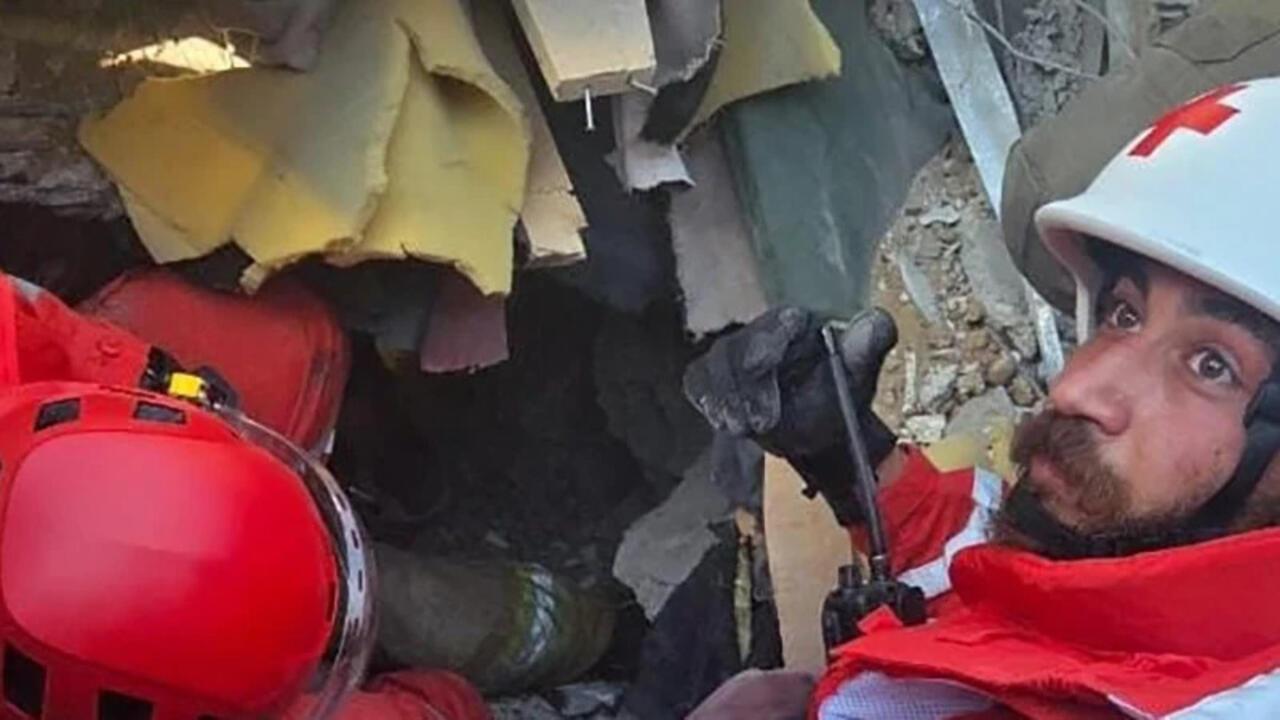
Israeli Strikes Kill Lebanese Red Cross Medic Hasan Badawi in Southern Lebanon
26 sources compared
Eastern Chad Fighting Kills 42 After Water Well Dispute Between Rival Families
10 sources compared

Israel Orders Evacuation of Seven South Lebanon Towns North of Litani River
44 sources compared