
Israel Strikes Hezbollah Positions in Lebanon’s Bekaa and Southern Lebanon During Ceasefire
Key Takeaways
- Israel strikes Hezbollah positions and infrastructure in Bekaa Valley and southern Lebanon.
- The strikes occur during a ceasefire that has been extended into mid-May.
- Lebanon reports casualties from the strikes, including deaths and injuries.
Ceasefire, then strikes
Israel said it began hitting Hezbollah positions in Lebanon’s Bekaa region while a ceasefire was in effect, with the Israeli military declaring: "The IDF has begun to strike Hezbollah infrastructure sites in the Bekaa valley and in additional areas across southern Lebanon," in a brief statement on social media.
“Yusuf Alioglu, Said Amouri / Anadolu While U”
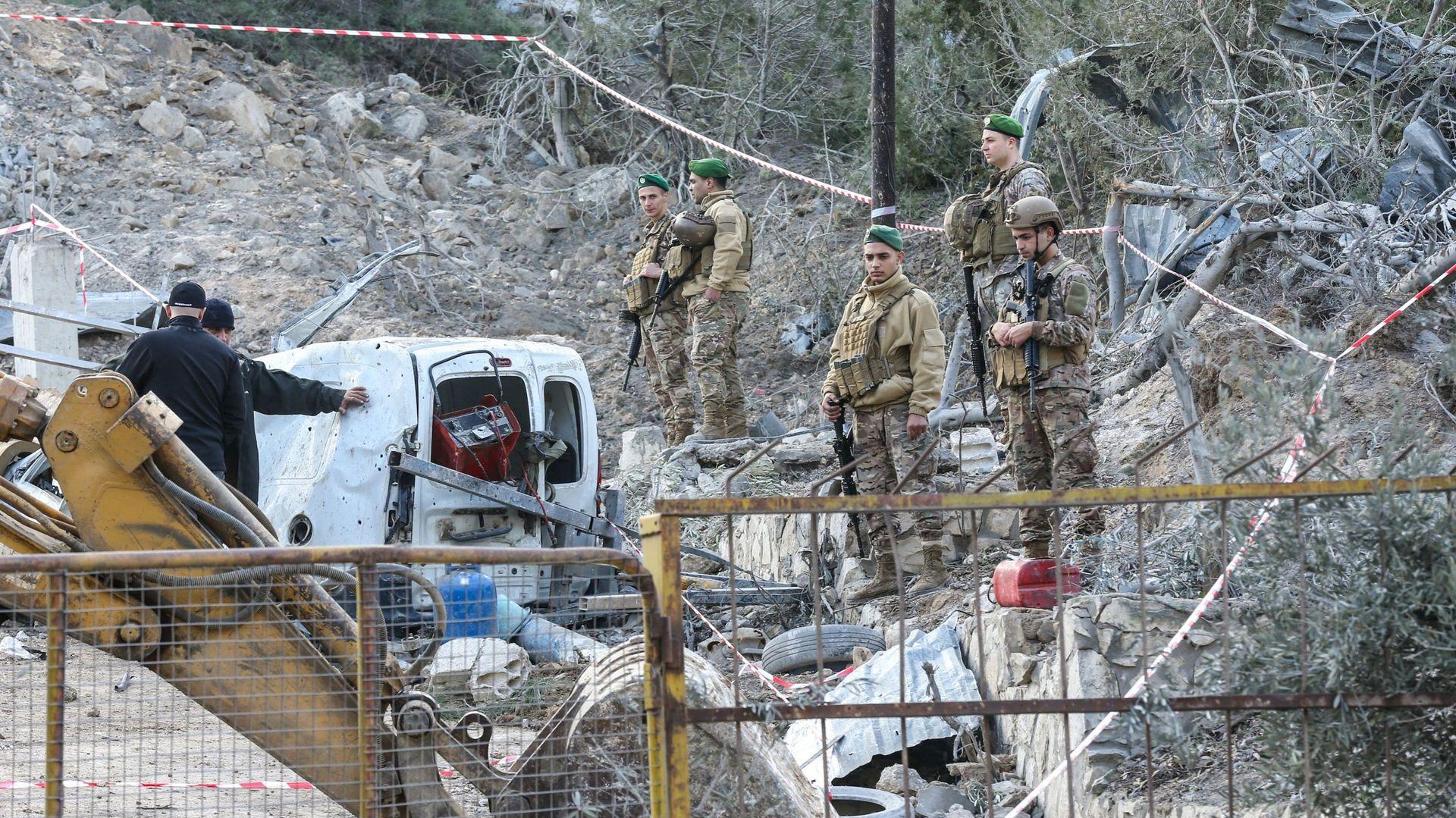
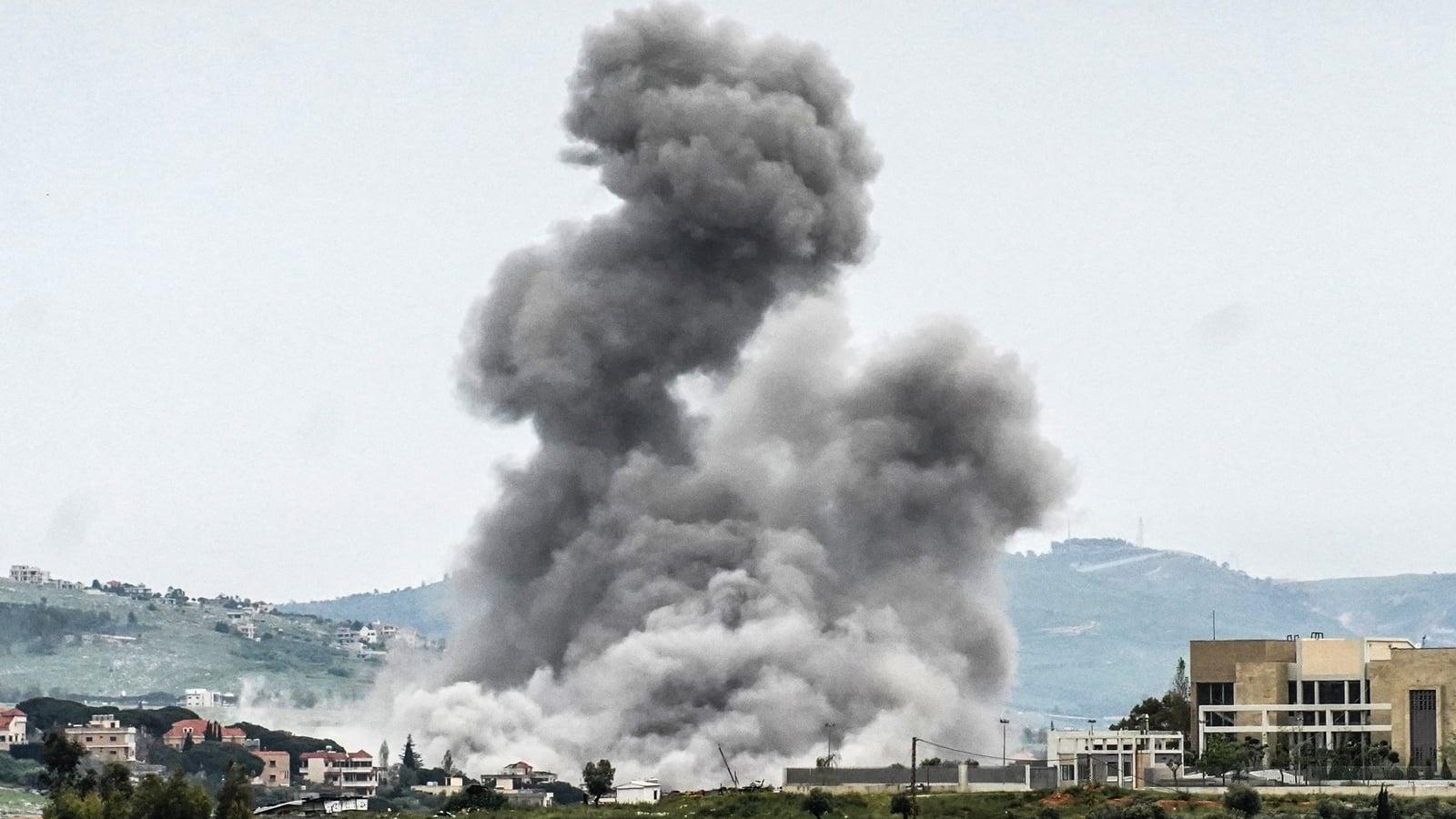
Naharnet reported that the Israeli army carried out Monday strikes on Majdal Selem, al-Mansouri, Tebnine, Kafra, Touline, Habboush, al-Sawwaneh, Yater, Froun, al-Jmayjmeh, Sheaitiyeh and al-Qlayleh in south Lebanon, killing at least one person.

Naharnet also said Israeli artillery shelled Kfarshouba, al-Mansouri, Yohmor-Shqif, Yater, Tayr Harfa, Majdalzoun, Zebqine, Henniyyeh, and Bouyout al-Seyyed, while troops in occupied border towns detonated houses, including in Taybeh, Yaroun and Bent Jbeil.
In the Bekaa, Naharnet said the Israeli army struck Janta and Shaara, while Hezbollah targeted troops on the outskirts of Kfarkela and later targeted a Merkava tank in al-Qantara with an attack drone.
The Straits Times framed the same period as Israel expanding strikes on Lebanon where authorities reported four dead on April 27 despite a ceasefire, and it quoted Israeli Prime Minister Benjamin Netanyahu saying Hezbollah’s rockets and drones were a key threat demanding military action.
The Straits Times added that the health ministry said Israeli strikes on the south killed four people on April 27, including a woman, and wounded 51 others, while AFP tallied that Israeli strikes have killed at least 40 people in Lebanon since the truce began.
Netanyahu’s rationale
In Beirut, the Straits Times reported that Israeli Prime Minister Benjamin Netanyahu said Hezbollah’s rockets and drones were a key threat demanding military action as Israel’s army expanded strikes on Lebanon where authorities reported four dead on April 27 despite a ceasefire.
The same article said Netanyahu described "two central threats from Hezbollah: the 122mm rockets and the drones. This demands a combination of operational and technological activity."

It also stated that Israel’s army said it struck more than 20 Hezbollah "infrastructure sites" in eastern Lebanon’s Bekaa Valley and the country’s south on April 27, including weapons storage facilities and rocket launch sites.
The Straits Times added that under the ceasefire, Israel reserves the right to act against "planned, imminent or ongoing attacks" and that Lebanese state media reported Israeli airstrikes in multiple locations in south Lebanon, including around a dozen sites in the evening.
The Straits Times also connected the political dispute to the ceasefire timeline, saying Israeli and Lebanese representatives met twice in Washington in April for discussions that Hezbollah has categorically rejected, and that after the first talks US President Donald Trump announced a 10-day ceasefire that began on April 17 and a three-week extension after the second round.
The Jerusalem Post provided a different operational emphasis, saying the IDF attacked Hezbollah around 100 kilometers deep into the territory of the Bekaa Valley for the first time in weeks, in an attempt to set its own rules for the current post-ceasefire period.
Aoun vs Qassem
Lebanon’s President Joseph Aoun and Hezbollah’s leadership traded sharp accusations over negotiations and responsibility for the war, with the Straits Times reporting that Aoun said direct talks with Israel sought to end the Israel-Hezbollah war and that those who dragged Lebanon into it were committing “treason.”
“Israel says striking 'Hezbollah sites' in south and Bekaa The Israeli military on Monday said it had begun hitting Hezbollah positions in the Bekaa region, amid a ceasefire that began earlier this month”
The Straits Times quoted Aoun saying "my goal is to reach an end to the state of war with Israel, similar to the armistice agreement" of 1949, signed after the 1948 Arab-Israeli war, and it also quoted him saying, "I assure you that I will not accept reaching a humiliating agreement".
Hezbollah chief Naim Qassem called direct talks between the two countries a “sin,” and the Straits Times quoted Qassem saying, "We categorically reject direct negotiations with Israel, and those in power should know that their actions will not benefit Lebanon or themselves," while urging authorities to “back down from their grave sin that is putting Lebanon in a spiral of instability”.
The Straits Times also reported that Qassem said, "We will not give up our weapons... and the Israeli enemy will not remain on a single inch of our occupied land."
In parallel, the RTE.ie report said Aoun accused Hezbollah of “treason” over war, quoting Aoun: "Those who dragged us into war in Lebanon are now holding us accountable because we made the decision to go to negotiations ... What we are doing is not treason. Rather, treason is committed by those who take their country to war to achieve foreign interests,".
The Straits Times described how Aoun faced intense criticism from Hezbollah and its supporters, who said his push for direct talks lacked consensus among Lebanon’s communities after the government decided to disarm the group last year and outlawed its military activities in March.
Competing narratives of events
Different outlets described the same Lebanon ceasefire period with contrasting emphases on what Israel is doing, how far it is going, and what Hezbollah is doing in response.
Naharnet listed specific Israeli strikes and artillery shelling across south Lebanon and the Bekaa, saying the Israeli army struck Majdal Selem, al-Mansouri, Tebnine, Kafra, Touline, Habboush, al-Sawwaneh, Yater, Froun, al-Jmayjmeh, Sheaitiyeh and al-Qlayleh, while Hezbollah targeted troops on the outskirts of Kfarkela and later targeted a Merkava tank in al-Qantara with an attack drone.
The Straits Times, by contrast, foregrounded the political framing and the reported casualty figures, saying the health ministry reported four dead on April 27 and wounded 51 others, and it quoted Netanyahu’s “two central threats” formulation about “122mm rockets” and “drones.”
The Jerusalem Post described a tactical shift, saying the IDF attacked Hezbollah around 100 kilometers deep into the Bekaa Valley for the first time in weeks and that the IDF did not attack Hezbollah in Beirut even after striking weapons storage and rocket-related weaponry in the Bekaa.
It also said Hezbollah responded with “sporadic rocket fire and drone launches on Israeli civilians in the North as well as at IDF soldiers in southern Lebanon,” and it reported that as of press time the IDF said it had shot down Hezbollah’s aerial threats or in some cases the drones retreated.
L’Orient Today and Türkiye Today both reported town-level strike locations, with Türkiye Today saying Anadolu’s correspondent reported two attacks simultaneously targeted the towns of Tibnin and Yater in southern Lebanon.
What happens next
The sources describe a continuing cycle of strikes and counterstrikes under a ceasefire that has not halted hostilities, with multiple reports emphasizing that Israel reserves the right to act and that Hezbollah frames ongoing attacks as tied to ceasefire violations.
“Despite the ceasefire concluded in November 2024 intended to end more than a year of hostilities with Hezbollah, Israel continues to regularly carry out strikes on Lebanese territory, saying it targets the pro-Iranian Shiite movement that it accuses of rearming”
The Straits Times said under the ceasefire, Israel reserves the right to act against "planned, imminent or ongoing attacks" and it reported that Israeli strikes have killed at least 40 people in Lebanon since the truce began, according to an AFP tally of health ministry figures.
It also reported that Hezbollah said its fighters launched several attacks on Israeli troops, including on an army bulldozer that it said was demolishing homes in the border town of Bint Jbeil, while Aoun said his goal was to reach an end to the state of war with Israel “similar to the armistice agreement” of 1949.
The RTE.ie report said the IDF warned residents to leave seven towns beyond the "buffer zone" it occupied before the truce that has failed to fully halt hostilities, and it quoted an Israeli military spokesperson on X telling people to head north and west away from the towns.
RTE.ie also said Hezbollah would not cease its attacks on Israeli troops inside Lebanon and on towns in northern Israel as long as Israel continued its "ceasefire violations" and that Hezbollah said it would not wait for diplomacy that has "proven ineffective" or rely on Lebanese authorities that had "failed to protect the country".
The Jerusalem Post added that the IDF extended movement and public gatherings restrictions through Tuesday and that the government issued special restrictions through May 7, while it described an Israeli aim to use continued destruction of Hezbollah infrastructure as leverage to lead to a disarmament process for Hezbollah.
More on Lebanon
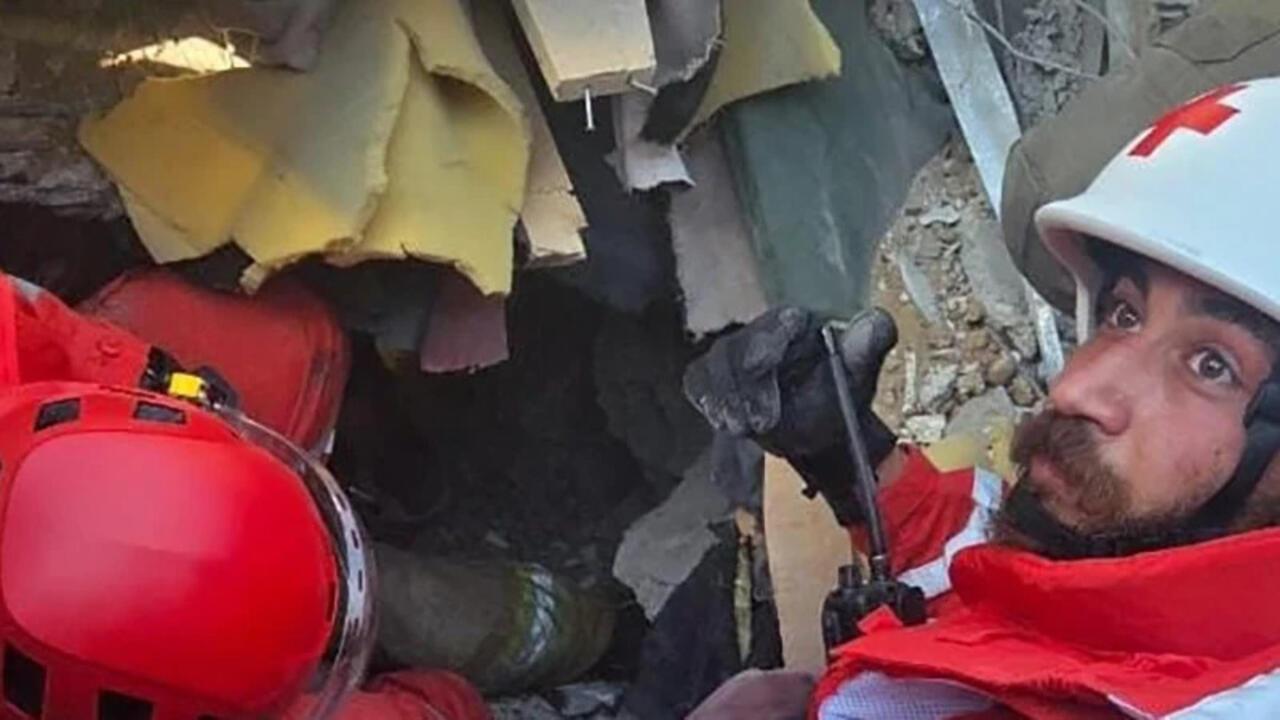
Israeli Strikes Kill Lebanese Red Cross Medic Hasan Badawi in Southern Lebanon
26 sources compared

Eastern Chad Fighting Kills 42 After Water Well Dispute Between Rival Families
10 sources compared

Israel Orders Evacuation of Seven South Lebanon Towns North of Litani River
44 sources compared

Israel Kills Six Hezbollah Fighters in Southern Lebanon After Ceasefire Extension
13 sources compared