
Israel Kills Six Hezbollah Fighters in Southern Lebanon After Ceasefire Extension
Key Takeaways
- Ceasefire extended by three weeks after White House talks.
- Six people killed in southern Lebanon strikes.
- Israel-Hezbollah clashes continued after extension with cross-border exchanges.
Ceasefire extended, strikes persist
Israel continued attacks on southern Lebanon hours after a ceasefire between the two countries was extended for a further three weeks, according to Al Jazeera.
“Israel has continued its attacks on southern Lebanon, hours after ceasefire between the two countries was extended for a further three weeks”
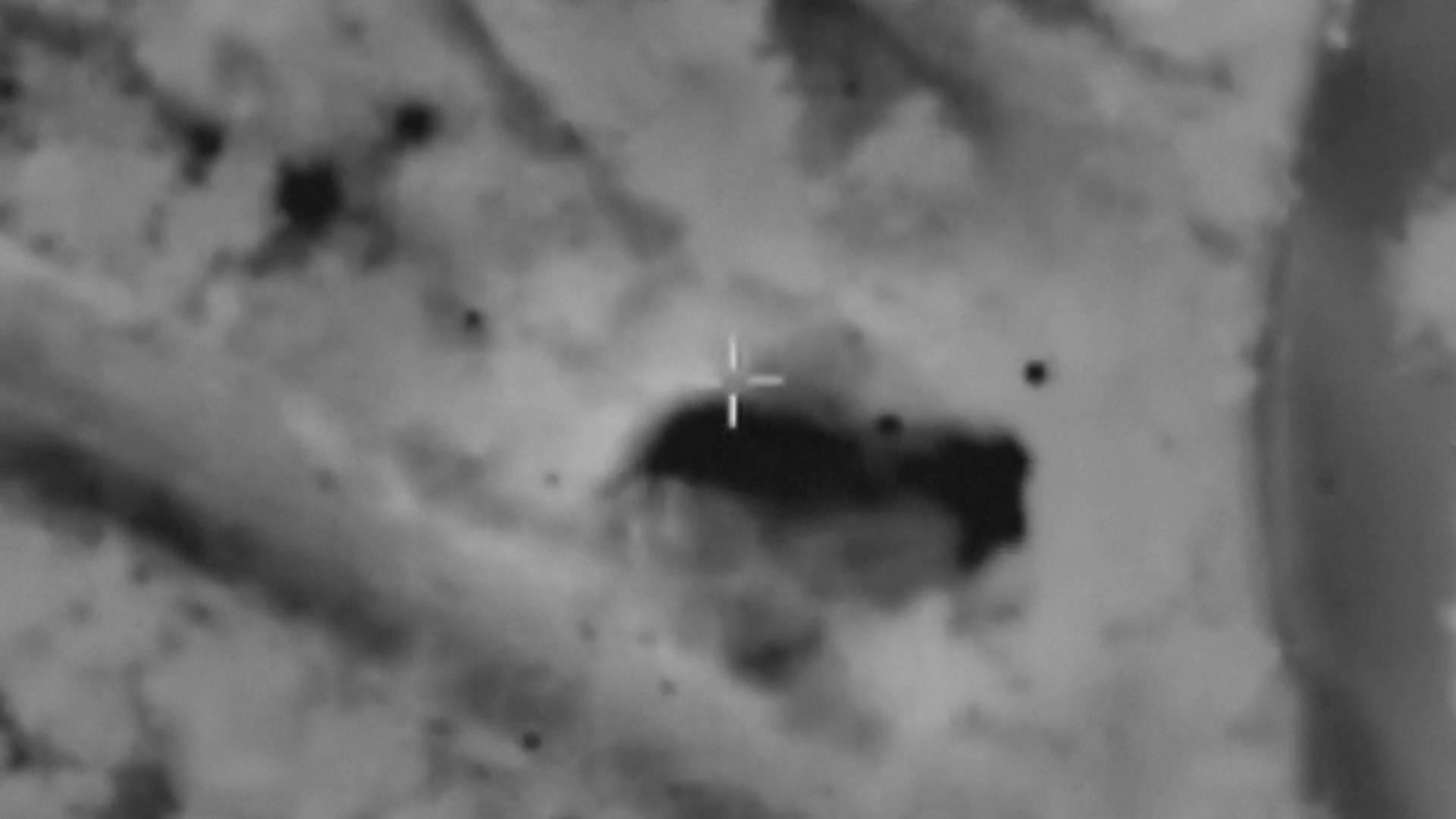
The Israeli military said it had “eliminated” six Hezbollah fighters in an exchange of fire in the area of Bint Jbeil, southern Lebanon, while the Lebanese Health Ministry reported two people were killed in an Israeli air strike in the southern area of Touline, Al Jazeera said.
Le Monde reported that Lebanese state media described a series of new Israeli strikes in the country’s south on Saturday night, April 25, after attacks earlier in the day killed six people despite the recently extended ceasefire.
Le Monde also cited Lebanon’s health ministry saying “Israeli enemy strikes on a truck and a motorbike in the town of Yohmor al-Shaqeef in the Nabatieh district killed four people,” and that an attack “on the town of Safad al-Battikh, in the Bint Jbeil district, resulted in two fatalities and 17 injuries.”
The same Le Monde report said Israel’s military claimed it “eliminated” three Hezbollah operatives on Saturday who were driving “a vehicle loaded with weapons,” as well as another one riding a motorcycle, and two more armed members of the group elsewhere.
Al Jazeera added that Israeli forces remain stationed in southern Lebanon after establishing a so-called “yellow line” in the region, similar to an Israeli military measure in the besieged Gaza Strip.
Al Jazeera said the casualty toll since the current round of fighting between the Israeli military and Hezbollah broke out on March 2 has risen to 2,491 people killed and 7,719 wounded, according to Lebanon’s Health Ministry.
What led to the truce
The ceasefire extension came after weeks of fighting between Israel and Hezbollah, with Al Jazeera describing the ceasefire as beginning on April 16 after weeks of fighting between Israel and Hezbollah, the Lebanese armed group.
Al Jazeera said the attacks mark the latest violations of a ceasefire that began on April 16, and it described Israeli forces remaining stationed in southern Lebanon after establishing a “yellow line.”

Le Monde added that US President Donald Trump had announced a 10-day ceasefire in Lebanon that began on April 17 and was extended for three weeks, and it traced Hezbollah’s role in drawing Lebanon into the wider conflict to March 2, when Hezbollah fired rockets at Israel to avenge the death of Iran’s supreme leader Ali Khamenei in US-Israeli strikes.
Le Monde also reported that Tehran-backed Hezbollah drew Lebanon into the Middle East war on March 2 by firing rockets at Israel to avenge the death of Iran's supreme leader Ali Khamenei in US-Israeli strikes.
BBC said the aim of the ceasefire extension was to end more than seven weeks of fighting between Israel and Iran-backed Hezbollah, and it described the sequence after the US and Israel attacked Iran on 28 February and killed Iran's supreme leader, after which Hezbollah launched rockets and drones into Israel on 2 March.
BBC further stated that IDF troops re-entered southern Lebanon in early March and have remained occupying 10km (6.2 mile) of Lebanese territory.
CBC also said Israel and Hezbollah agreed to a ceasefire ending a previous conflict in November 2024, after which Israel carried out near-daily attacks on targets and people allegedly linked to Hezbollah.
In parallel, NPR framed the extension as part of broader US efforts, saying it was tied to another ceasefire with Iran and describing Iran’s dismissal of the extension as “meaningless.”
Hezbollah and Netanyahu trade blows
Hezbollah dismissed the ceasefire extension as “meaningless” while Israel’s leadership said it would keep acting against threats, according to Al Jazeera and Le Monde.
Al Jazeera quoted Hezbollah lawmaker Ali Fayyad saying, “It is essential to point out that the ceasefire is meaningless in light of Israel’s insistence on hostile acts, including assassinations, shelling, and gunfire,” and it added that Fayyad said every Israeli attack gave Hezbollah the “right to retaliate.”
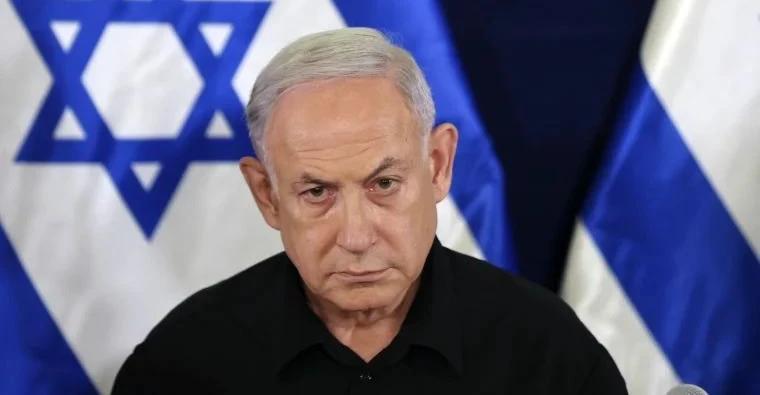
Al Jazeera also reported that Israeli Prime Minister Benjamin Netanyahu said Israel was “maintaining full freedom of action against any threat” and accused Hezbollah of “trying to sabotage” the ceasefire deal.
Le Monde described Netanyahu ordering the military to “forcefully attack Hezbollah targets” after the army accused it of breaching the truce, and it said Hezbollah responded by targeting an Israeli army vehicle in south Lebanon in retaliation for the attack on Yohmor al-Shaqeef.
Le Monde also reported that Israel’s military said it would “continue to operate decisively against threats,” and that Israel says it reserves the right to respond militarily to imminent threats under the terms of the ceasefire.
In the diplomatic arena, Al Jazeera said United Nations Secretary-General Antonio Guterres welcomed the extension of the ceasefire and praised the US for its role in mediating the truce, quoting him saying, “Everyone must fully respect the cessation of hostilities, cease any further attacks & comply with their obligations under international law,”.
CBC and BBC both described the US role in the talks, with CBC reporting Trump’s post that the meeting “very well” and that “The United States is going to work with Lebanon in order to help it protect itself from Hezbollah.”
BBC added that Lebanese President Joseph Aoun and Israeli Prime Minister Benjamin Netanyahu would visit the White House “in the coming weeks,” and it quoted Leiter saying Israel and Lebanon were united in their aim to rid Lebanon of “this malign influence called Hezbollah.”
Journalists, evacuations, and occupation
Beyond battlefield claims, the reporting focused on the human and political fallout from strikes during the ceasefire period, including the killing of Lebanese journalist Amal Khalil and the continued Israeli presence in southern Lebanon.
Democracy Now! reported that thousands gathered for a funeral Thursday for Amal Khalil, a correspondent for the daily newspaper Al-Akhbar who was killed in a series of Israeli strikes in southern Lebanon Wednesday that appeared to target her and her colleague photographer, Zeinab Faraj, and it said Khalil was the ninth journalist killed by Israeli strikes in Lebanon this year.

NPR described how Lebanese Prime Minister Nawaf Salam accused Israel of targeting journalists, quoting him: “Israel's targeting of media workers in the south while they carry out their professional duties is no longer isolated incidents, but has become an established approach that we condemn and reject, as do all international laws and conventions,”.
NPR also said Lebanese officials stated Khalil and another journalist took shelter in a house after a nearby vehicle was targeted, but the building was then struck as well, and it said medics were able to rescue a wounded journalist accompanying her before they came under fire and were forced to retreat.
CBC said the latest war started when Hezbollah fired rockets into northern Israel, two days after Israel and the U.S. launched attacks on Iran, and it described Israel’s ground invasion in which it captured dozens of towns and villages along the border.
CBC further stated that Israel’s military currently occupies a buffer zone stretching as much as 10 kilometres into southern Lebanon, and it said Israel says it aims to remove the threat of short-range rockets and anti-tank missiles being fired toward northern Israel.
BBC similarly said IDF troops have remained occupying 10km (6.2 mile) of Lebanese territory, and it reported that UN figures show more than one million people, roughly one in five of the population, have been displaced in the latest fighting.
Le Monde added that Israel reissued a warning to residents not to return to dozens of south Lebanon locations within the so-called “yellow line,” which demarcates a ribbon of Lebanese territory around 10 kilometres (six miles) wide running along the length of the border.
What comes next under the talks
The extension of the ceasefire was paired with plans for further negotiations and a stated agenda for what would follow, while multiple reports emphasized that violations continued and that Hezbollah rejected the talks.
“Israel and Lebanon have agreed to extend their ceasefire by three weeks after talks at the White House on Thursday, according to U”
CBC said preparations were being made for wider-reaching negotiations between Lebanon and Israel, and it reported that the aim of future talks is to “fully” stop Israeli attacks, secure the withdrawal of Israeli troops from Lebanon, win the release of Lebanese prisoners held in Israel, deploy Lebanese troops along the border and begin the reconstruction process, with Aoun saying so.
BBC said Trump told reporters that both Lebanese President Joseph Aoun and Israeli Prime Minister Benjamin Netanyahu would visit the White House “in the coming weeks,” and it described the last direct, high-level contact between the two countries as in three decades.
CBC also reported that Israeli Foreign Minister Gideon Saar called on Lebanon to work with Israel to disarm the Iranian-backed militant group Hezbollah, and it quoted Saar saying, “The obstacle to peace and normalization between the countries is one: Hezbollah,” and that Lebanon could have “a future of sovereignty, independence and freedom from the Iranian occupation.”
In parallel, NPR said Hezbollah spokesperson Salman Harb told NPR that the group maintained its “right to resist” if Israel refused to withdraw from Lebanon, and it said Israel’s strikes in southern Lebanon on Wednesday killed at least five people, including Lebanese journalist Amal Khalil.
Le Monde described Israel’s military as saying it would “continue to operate decisively against threats” and that it reserves the right to respond militarily to imminent threats under the terms of the ceasefire, while it also reported that Netanyahu ordered the military to “forcefully attack Hezbollah targets.”
Al Jazeera said Hezbollah dismissed the extension as “meaningless” and quoted Ali Fayyad saying the ceasefire is meaningless in light of Israel’s “hostile acts,” and it reported Netanyahu accusing Hezbollah of “trying to sabotage” the ceasefire deal.
The BBC report also gave a detailed accounting of casualties and displacement, saying at least 2,294 people have been killed in Israeli attacks in Lebanon since the latest war began, according to the Lebanese health ministry, and that the death toll includes 274 women and 177 children, while UN figures show more than one million people displaced.
More on Lebanon

Netanyahu Orders IDF To Vigorously Strike Hezbollah Targets In Lebanon
17 sources compared
Israel’s Merkava Tank Fired Projectile That Killed Indonesian UNIFIL Peacekeeper Rico Pramudia in Beirut
10 sources compared
Israeli Strikes Kill Six in Southern Lebanon Despite Extended Ceasefire
45 sources compared
Israel Strikes South Lebanon Despite Trump Ceasefire Extension, Killing People
26 sources compared