Israeli Strikes Kill Six in Southern Lebanon Despite Extended Ceasefire
Key Takeaways
- Six killed per Lebanon's health ministry; other outlets report fewer.
- Ceasefire extended, but Israeli strikes persist in southern Lebanon.
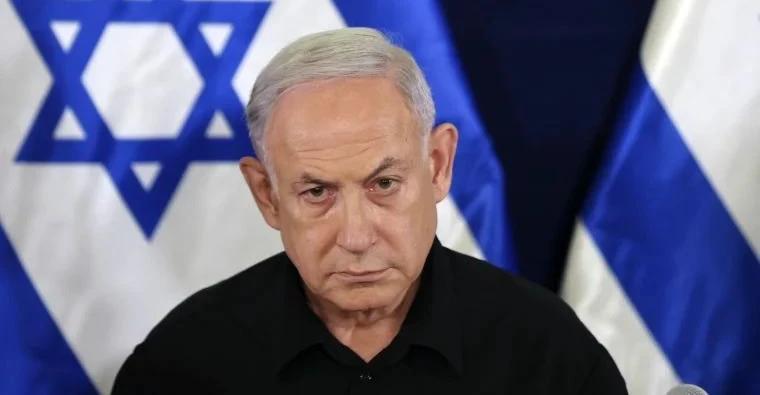
- Netanyahu orders strikes on Hezbollah after ceasefire violations.
Ceasefire, then strikes
Israeli strikes in southern Lebanon killed six people on Saturday despite a ceasefire that had been extended this week, Lebanon’s health ministry said.
The ministry statement said “Two Israeli enemy strikes, on a truck and a motorbike, in the town of Yohmor al-Shaqeef in the Nabatieh district killed four people,” and it later reported that an “Israeli enemy airstrike on the town of Safad al-Battikh, in the Bint Jbeil district, resulted in two fatalities and 17 injuries”.

Al Arabiya English similarly said the health ministry reported that “Two Israeli enemy strikes, on a truck and a motorbike, in the town of Yohmor al-Shaqeef in the Nabatieh district killed four people,” and that an airstrike in Safad al-Battikh resulted in “two fatalities and 17 injuries”.
Today (L’Orient Today) described the same pattern of attacks as continuing “Despite the current cease-fire,” saying Israeli forces carried out “two drone strikes in Yohmor al-Chaqif (Nabatieh)” that killed four people “according to the health ministry.”
Today also said artillery fire struck Qantara (Marjayoun) and that the Israeli army “bombed an area in Majdel Selm (Marjayoun),” while it reported the air force strike on Safad al-Battikh “hit a house, killing two people and injuring 17, according to the health ministry.”
In parallel, HESPRESS English reported that Israel’s military said it “eliminated” three Hezbollah operatives on Saturday who were driving “a vehicle loaded with weapons,” and another one riding a motorcycle, as well as two more armed members elsewhere.
The same HESPRESS English report said Israel identified two projectiles launched from Lebanon and later intercepted another “suspicious aerial target,” while Hezbollah said it targeted an Israeli army vehicle in south Lebanon “in retaliation for the attack on Yohmor al-Shaqeef.”
Buffer zone and warnings
Alongside the reported strikes, multiple outlets described Israel’s establishment of a “buffer zone” and repeated warnings to residents not to return to areas near the border.
Today (L’Orient Today) said the Israeli army continued its attacks “on south Lebanon on Saturday, where it has established a "buffer zone."”

It reported that the zone covers “an area of 602 square kilometers, or 5.8 percent of Lebanese territory,” and “includes 62 villages in south Lebanon,” while also stating that “Based on our field analysis, the Israeli army occupied 47 of them as of April 21.”
Today added that the Israeli army reiterated its call not to enter villages of the “buffer zone” it seeks to establish “at a depth of 8 to 10 kilometers inside south Lebanon.”
HESPRESS English described the same warning in different terms, saying Israel’s military “reissued a warning to residents not to return to dozens of south Lebanon locations within the so-called “yellow line,” which demarcates a ribbon of Lebanese territory around 10 kilometres (six miles) wide running along the length of the border.”
PressTV likewise said the Israeli military warned residents of some southern Lebanese villages not to return, and it quoted spokesman Avichay Adraee listing more than 50 villages, stating “It is not permitted to approach the area of the Litani River, the Salhani Valley, and the Saluki,” and naming the social media platform X.
Shafaq News also referenced the same Litani-area restriction, reporting that Israeli strikes were accompanied by warnings “against returning to the Litani River zone and the valley of al-Salouqi,” while it said the Lebanese Health Ministry confirmed “2,496 deaths and 7,725 injuries since the start of the Israeli war on March 2.”
In the same reporting stream, HESPRESS English said the state-run National News Agency (NNA) reported Israeli artillery shelling on several south Lebanon locations on Saturday and described a “violent explosion” in Khiam, where AFP saw a huge cloud of smoke.
Today added further detail on demolitions, saying the Israeli army “demolished homes in Yaroun (Bint Jbeil), Houla, Qantara and Taybeh (Marjayoun),” and that during the night from Friday to Saturday it blew up several homes in “Bint Jbeil and Khiam (Marjayoun), as well as in Taybeh (Marjayoun).”
Escalation and retaliation
The reporting also tied Saturday’s strikes to a wider escalation narrative, with Israeli statements emphasizing Hezbollah violations and Hezbollah describing retaliation.
HESPRESS English said Israel’s military “decrying “a blatant violation of the ceasefire understandings” by Hezbollah,” after it identified projectiles launched from Lebanon and intercepted another “suspicious aerial target.”
It also said Hezbollah “targeted an Israeli army vehicle in south Lebanon in retaliation for the attack on Yohmor al-Shaqeef,” linking the response to the earlier truck and motorbike strike.
Al Arabiya English echoed the Israeli framing, saying Israel’s military “decrying “a blatant violation of the ceasefire understandings” by Hezbollah,” and adding that Hezbollah “targeted an Israeli army vehicle in south Lebanon in retaliation for the attack on Yohmor al-Shaqeef.”
Shafaq News described a parallel Israeli decision-making step, saying “Netanyahu mandates fierce strikes on Lebanon’s Hezbollah” and that Israeli Prime Minister Benjamin Netanyahu ordered the army to strike Hezbollah “forcefully, as cross-border violence escalated.”
Shafaq News added that the Israeli Home Front Command reported sirens in Manara and Misgav Am in the Upper Galilee after “two rockets were launched from Lebanon,” and it stated that “No injuries were recorded.”
It also said Hezbollah claimed striking an Israeli Namer armored vehicle with a drone in the Marjayoun district “in response to the Israeli violation of the ceasefire.”
PressTV described the ceasefire extension as coming after a high-level meeting at the White House, saying the Beirut government and Tel Aviv regime extended their ceasefire for three weeks “after a high-level meeting at the White House,” and it tied the new deaths to “violations since Israel and Lebanon implemented a ten-day cessation of hostilities on April 17.”
Different tallies, different frames
While the core events in Yohmor al-Shaqeef and Safad al-Battikh were consistent across outlets, the broader reporting diverged in how it framed the scale of violence and the official tallies.
HESPRESS English and Al Arabiya English both anchored their Saturday casualty reporting to the health ministry’s numbers, with HESPRESS English saying Israeli strikes “killed six people” and specifying “four people” in Yohmor al-Shaqeef and “two fatalities and 17 injuries” in Safad al-Battikh.

Today (L’Orient Today) also used the health ministry numbers for the same localities, stating that the two drone strikes in Yohmor al-Chaqif killed four people and that the Safad al-Battikh air strike “hit a house, killing two people and injuring 17, according to the health ministry.”
PressTV, however, described the same Yohmor al-Shaqeef truck and motorbike strikes as “At least four Lebanese citizens have been martyred” and said the “latest deaths raised the toll from violations since Israel and Lebanon implemented a ten-day cessation of hostilities on April 17 to at least 19.”
Shafaq News and HESPRESS English both referenced the larger death and injury totals since March 2, but they did so with the same figures in different contexts: HESPRESS English said “Israeli attacks have killed at least 2,496 people in Lebanon since March 2, according to authorities,” while Shafaq News said the Lebanese Health Ministry confirmed “2,496 deaths and 7,725 injuries since the start of the Israeli war on March 2.”
Today (L’Orient Today) likewise stated “According to the Health Ministry, 2,496 people have been killed and 7,725 injured in Lebanon since March 2,” and it added a specific incident in the Bekaa, saying “a resident of Sohmor who was injured just before the truce died from her injuries.”
In a separate thread, Al Jazeera نت (الجزيرة نت) described a different set of events early Saturday, saying “One Lebanese man was killed and two others were wounded” when an Israeli airstrike targeted Bint Jbeil, and it also said Hezbollah carried out “55 attacks.”
It further listed Israeli strikes on the southern suburbs of Beirut after warnings to evacuate seven neighborhoods, including “Haret Hreik, Al-Ghobeiri, Al-Lilaki, Al-Haddath, Burj al-Barajneh, Tahouita al-Ghadir, Shiyah,” and it quoted Hezbollah’s claims of targeting “gatherings of soldiers and Israeli enemy vehicles” and a “Merkava tank in the village of Taybeh.”
What happens next
The sources also point to immediate next steps and continuing uncertainty about how the ceasefire will hold, with officials and political figures emphasizing accountability and the right to respond.
HESPRESS English said US President Donald Trump announced on Thursday that a “10-day ceasefire in Lebanon that began on April 17 had been extended for three weeks,” and it added that Hezbollah drew Lebanon into the war on March 2 by firing rockets at Israel to avenge the death of Iran’s supreme leader Ali Khamenei in US-Israeli strikes.

In the same report, Hezbollah lawmaker Ali Fayad said on Friday that the group maintained the right to respond to any Israeli aggression, adding that extending the ceasefire “makes no sense” in light of the continued “hostile acts.”
Today (L’Orient Today) described the Israeli army’s operational posture as continuing “Despite the current cease-fire,” and it said the Israeli army established a “buffer zone” while reiterating its call not to enter the villages of that zone at a depth of “8 to 10 kilometers inside south Lebanon.”
PressTV similarly framed the ceasefire extension as conditional on continued violations, saying the deaths came “only two days after the Beirut government and the Tel Aviv regime extended their ceasefire for three weeks,” and it reported that the Israeli military warned residents not to approach areas including the Litani River, the Salhani Valley, and the Saluki.
Al Jazeera نت (الجزيرة نت) described ongoing exchanges in which Hezbollah announced targeting Israeli military sites with “missiles, drones, and artillery shells,” and it said Hezbollah carried out “55 attacks” while Israel’s strikes included raids on the southern suburbs of Beirut after warnings to evacuate seven neighborhoods.
Shafaq News added a political directive, stating that Netanyahu ordered the army to strike Hezbollah “forcefully,” and it said the Israeli Home Front Command reported sirens after rockets were launched from Lebanon, with the Israeli army also demolishing buildings in several southern areas.
More on Lebanon
Netanyahu Orders IDF To Vigorously Strike Hezbollah Targets In Lebanon
17 sources compared
Israel’s Merkava Tank Fired Projectile That Killed Indonesian UNIFIL Peacekeeper Rico Pramudia in Beirut
10 sources compared
Israel Strikes South Lebanon Despite Trump Ceasefire Extension, Killing People
26 sources compared
UN Warns Israeli Attacks on Lebanon and Hezbollah Rocket Fire May Breach Humanitarian Law
17 sources compared