
Israel Strikes South Lebanon Despite Trump Ceasefire Extension, Killing People
Key Takeaways
- Lebanon's health ministry reports Israeli strikes in south Lebanon killed several people.
- Ceasefire extended for three weeks following White House talks and Trump’s peace optimism.
- Netanyahu orders heavy Israeli strikes on Hezbollah in southern Lebanon amid alleged ceasefire violations.
Ceasefire extended, fighting continues
Fighting between Israel and Hezbollah continued Friday even as President Donald Trump announced a three-week extension of the Israel-Lebanon ceasefire, with Hezbollah reacting with contempt and calling the truce “meaningless.”
“Israeli attacks have killed at least four people in southern Lebanon’s Nabatieh district, the state news agency reports, as Israel continues to pummel the country in defiance of a three-week extension of a ceasefire with Hezbollah”
The Washington Post reported that “Fighting between Israel and Hezbollah continued Friday even as President Donald Trump announced a three-week extension of the Israel-Lebanon ceasefire,” framing the extension as a test of whether Lebanon’s government can bring Hezbollah under control.
In Lebanon’s south, Israeli strikes continued despite the ceasefire, according to L’Orient Today, which said the Israeli army carried out two drone strikes in Yohmor al-Chaqif (Nabatieh) on Saturday and that the attacks killed four people, according to the health ministry.
Al Jazeera likewise reported that Israeli raids on a truck and a motorcycle in Yohmor al-Shaqif killed four people, citing Lebanon Ministry of Public Health’s emergency operations centre and the Lebanese National News Agency.
The same pattern appeared in other towns: L’Orient Today said an Israeli air force strike on Safad al-Battikh (Bint Jbeil) hit a house, killing two people and injuring 17, and it said the Israeli army also demolished homes in Yaroun, Houla, Qantara and Taybeh.
Al Jazeera’s Heidi Pett said the attacks were carried out north of the Litani River and described the soundscape as “the rumble and thud of explosions,” adding that “That is Israel demolishing houses and buildings.”
Across the reporting, the ceasefire extension did not halt the operational tempo, with multiple outlets describing continued Israeli military activity in the buffer zone area and continued Hezbollah responses.
How the violence escalated
The ceasefire extension arrived after a sequence of hostilities that multiple outlets tied to the broader Israel-Iran war and to Hezbollah’s decision to draw Lebanon into the conflict.
HESPRESS English said Hezbollah drew Lebanon into the Middle East war on March 2 by firing rockets at Israel to avenge the death of Iran’s supreme leader Ali Khamenei in US-Israeli strikes, and it added that the ceasefire had been extended for three weeks after a 10-day cessation of hostilities began on April 17.

France 24 described the extension as following a meeting at the White House and said Israel and Lebanon extended their ceasefire for three weeks on Thursday, while Trump said he believed there was a “great chance” the two countries would agree on a peace deal.
The Hill reported that Israel carried out airstrikes in Lebanon on Friday amid the ceasefire and after Trump announced the extension, and it said the Israeli military accused Hezbollah of violating the ceasefire in a post on the social platform X.
In the same period, Al Jazeera reported that the attacks were the latest to rock southern Lebanon since Trump announced the ceasefire extension on Thursday, and it said the truce was being tested by continued Israeli activity north of the Litani.
L’Orient Today provided a detailed snapshot of how the buffer zone concept shaped the fighting, saying Israeli forces had established a “buffer zone” and that Yohmor al-Chaqif (Nabatieh) was “to date the only locality north of the Litani included in the buffer zone.”
It also said the zone covers 602 square kilometers, or 5.8 percent of Lebanese territory, and includes 62 villages, and it reported that the Israeli army occupied 47 of them as of April 21.
Hezbollah and Lebanon trade accusations
Hezbollah’s public posture toward the extension was confrontational, with multiple outlets quoting leaders who framed the truce as ineffective and insisted on retaliatory rights.
The Washington Post said Hezbollah reacted with contempt to the extension, calling the truce “meaningless,” and it described concerns about the government’s ability to bring Hezbollah under control as raising questions about the ceasefire’s long-term prospects.
Al Jazeera quoted Hezbollah lawmaker Ali Fayyad saying the ceasefire was “meaningless in light of Israel’s insistence on hostile acts, including assassinations, shelling, and gunfire,” and it added that he said Israeli attacks meant Hezbollah retains the “right to retaliate.”
The Hill similarly reported that Ali Fayyad told Hezbollah’s TV station Al-Manar that any Israeli operations in Lebanon gives Hezbollah “the right to respond appropriately,” and it said Fayyad added that Hezbollah “firmly rejects” the ceasefire extension because the militant group has not been involved in any of the negotiations.
In parallel, Israeli officials emphasized continued freedom of action and responsibility for striking Hezbollah targets.
The Hill said the Israeli military accused Hezbollah of violating the ceasefire in a post on the social platform X, and it reported that the Israeli military said it “struck Hezbollah military structures in the areas of Kherbet Selem and Touline in southern Lebanon.”
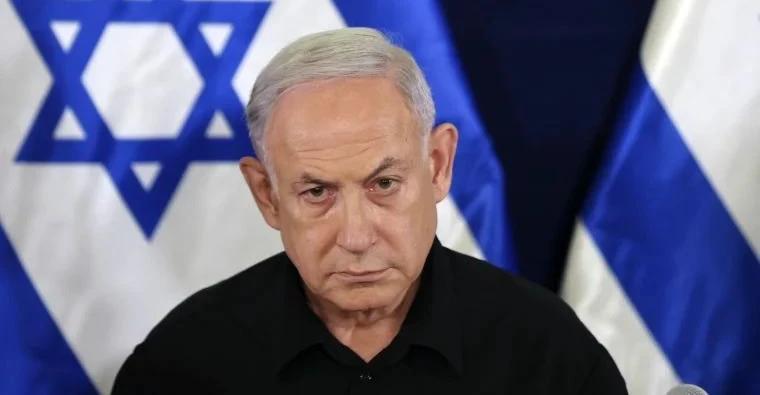
Haaretz reported that Prime Minister Benjamin Netanyahu said on Friday that Israel “maintains full freedom of action against any threat” in southern Lebanon as the Israeli military continued to strike Hezbollah targets.
Different outlets, different framing
While the core facts of strikes and casualties were reported across outlets, the framing and emphasis varied, especially around what the ceasefire meant and how the buffer zone was portrayed.
L’Orient Today described the Israeli army as having established a “buffer zone” and provided a granular account of drone strikes, artillery fire, demolitions, and the Israeli army’s claim to have “eliminated more than 15 Hezbollah fighters in south Lebanon over the weekend.”

It also included a quantitative description of the buffer zone’s footprint, saying it covers 602 square kilometers and includes 62 villages, and it reported that the Israeli army occupied 47 as of April 21.
Al Jazeera, by contrast, emphasized the ongoing nature of the explosions and the destruction of civilian structures, with Heidi Pett saying, “That is Israel demolishing houses and buildings,” and describing the “rumble and thud of explosions” across southern swaths of the country.
Al Jazeera also framed the ceasefire extension as being undermined by continued Israeli activity, describing the attacks as “part of a continued pattern of Israeli military activity, despite what is ostensibly a ceasefire,” and it quoted Ali Rizk’s scepticism about the Washington-led process.
The Straits Times and Reuters-based reporting highlighted Israeli statements about force and the ceasefire’s fragility, saying Israel said on April 25 it would attack Hezbollah targets forcefully and noting that it was unclear whether reported deaths were linked to the strikes.
PressTV’s language differed sharply, describing the deaths as “martyred” and attributing the strikes to “the Israeli regime,” while also asserting that the ceasefire extension came “after a high-level meeting at the White House.”
Human impact and next steps
The sources describe immediate human consequences in Lebanon alongside warnings about where civilians should not go, while also pointing to diplomatic steps that could shape the next phase.
L’Orient Today said that in the Bekaa, a resident of Sohmor who was injured just before the truce died from her injuries, and it reported a cumulative toll: “According to the Health Ministry, 2,496 people have been killed and 7,725 injured in Lebanon since March 2.”
Al Jazeera similarly cited Lebanon’s Ministry of Public Health as saying Israeli attacks since March 2 have killed 2,496 people and wounded 7,719, and it described displacement pressures on civilians, including Huda Kamal Mansour from Aitaroun village who said she had been living with her nine-year-old son in an empty stadium in Beirut for the past 45 days.
Mansour told Al Jazeera, “There was zero distance between us and the Israeli army when they attacked southern Lebanon,” and she added, “Israel didn’t leave one house standing there.”
Multiple outlets also reported Israeli warnings to residents not to approach areas near the Litani River and to avoid returning to certain villages.
HESPRESS English said Israel reissued a warning to residents not to return to dozens of south Lebanon locations within the so-called “yellow line,” describing the “yellow line” as a ribbon of Lebanese territory around 10 kilometres (six miles) wide along the border.
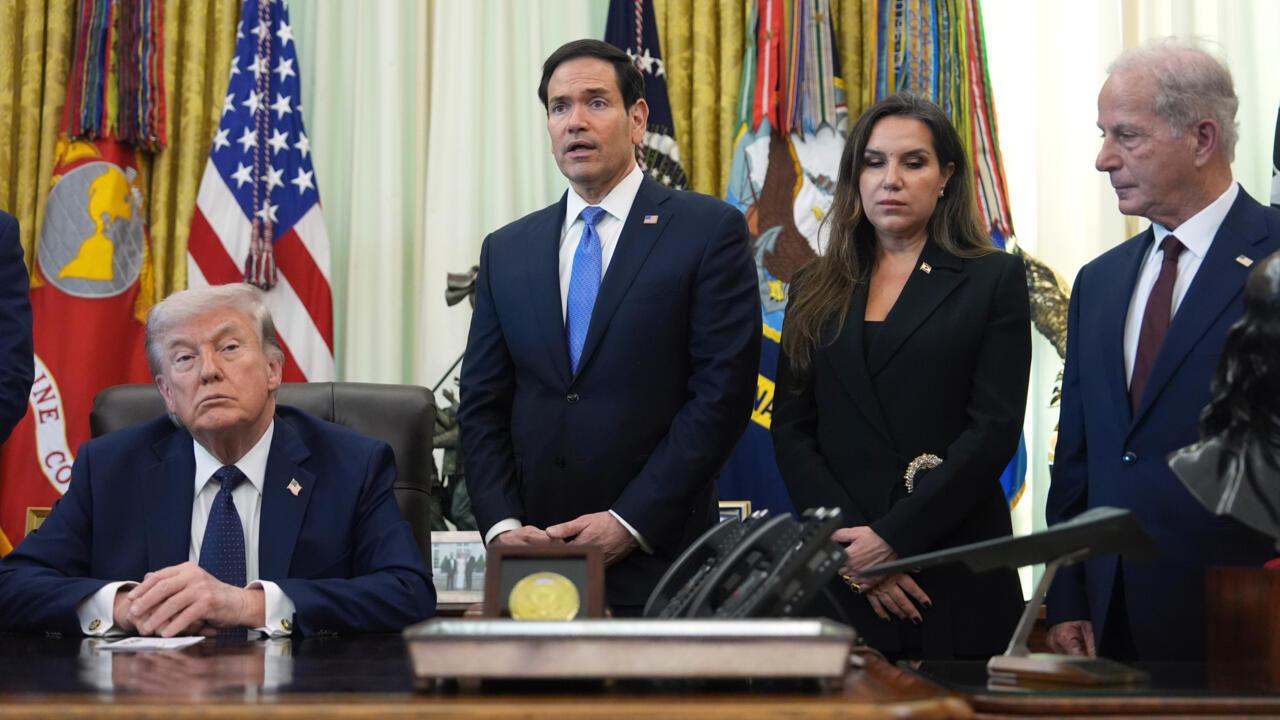
France 24 said Trump hosted Israel’s ambassador to Washington Yechiel Leiter and Lebanese ambassador to the US Nada Moawad in the Oval Office for a second round of US-facilitated talks, and it reported that Trump said he hoped the leaders would meet during the three-week cessation of hostilities.
More on Lebanon
Netanyahu Orders IDF To Vigorously Strike Hezbollah Targets In Lebanon
17 sources compared
Israel’s Merkava Tank Fired Projectile That Killed Indonesian UNIFIL Peacekeeper Rico Pramudia in Beirut
10 sources compared
Israeli Strikes Kill Six in Southern Lebanon Despite Extended Ceasefire
45 sources compared

UN Warns Israeli Attacks on Lebanon and Hezbollah Rocket Fire May Breach Humanitarian Law
19 sources compared