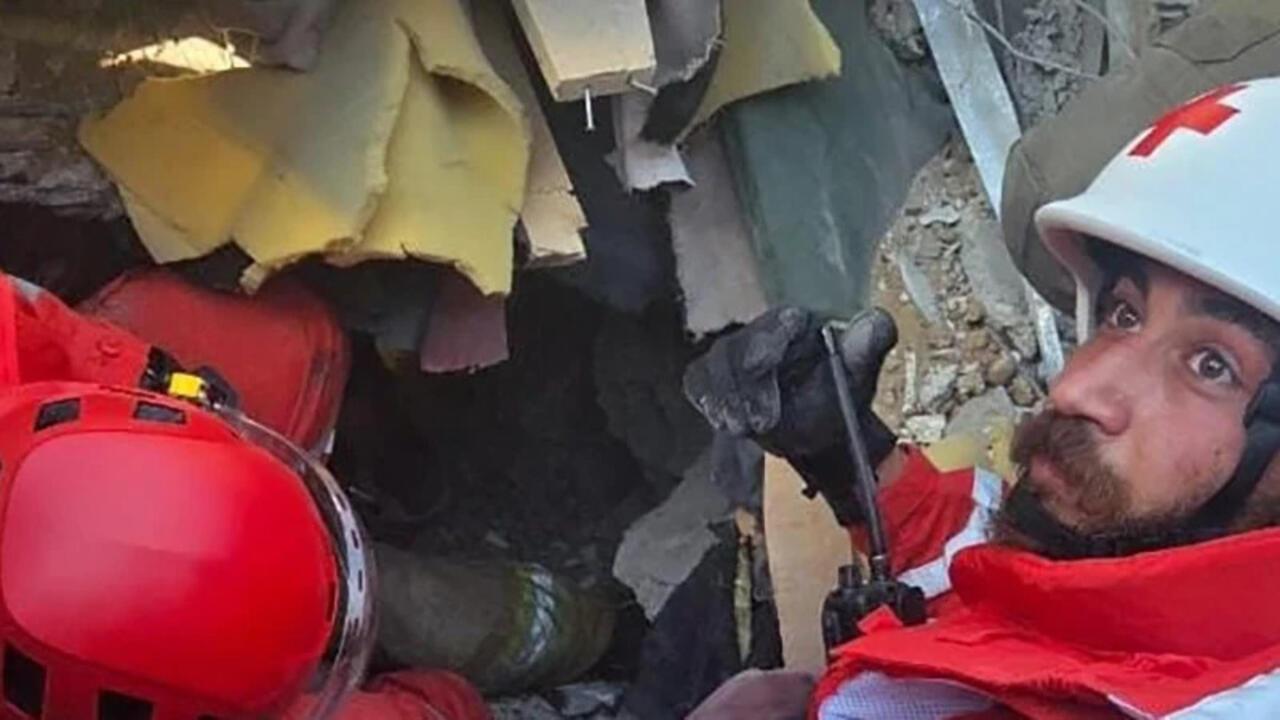
Israeli Strikes Kill Lebanese Red Cross Medic Hasan Badawi in Southern Lebanon
Key Takeaways
- Lebanese Red Cross medic Hasan Badawi killed en route, allegedly by Israeli drone.
- Lebanon health ministry reports 14 killed in southern Lebanon, deadliest day since ceasefire began.
- Health workers targeted in strikes, rising casualties among emergency responders.
Paramedic Hasan Badawi
A Lebanese Red Cross volunteer medic, Hasan Badawi, was killed earlier this month while en route to his latest assignment in southern Lebanon, where he had been racing toward the location of military strikes as a first responder.
NBC and yalibnan both describe Badawi, 31, as a father of one with a baby on the way, and say he was “allegedly cut down by an Israeli drone.”

On April 12, as Israeli forces moved toward the key Hezbollah stronghold of Bint Jbeil, Badawi’s team wore the standard Lebanese Red Cross uniform and their ambulance was “clearly marked, according to the Lebanese Red Cross,” yet the organization said they were “directly targeted.”
The Lebanese Red Cross said it had coordinated safe passage for the mission, and NBC reports that one of Badawi’s colleagues was wounded.
The Israeli military said it had been targeting a Hezbollah member in a strike but was aware of reports of a Red Cross team being “affected” and that the strike was under review, according to yalibnan and NBC.
The NBC report places Badawi’s death within a wider toll that aid groups say is growing since Israel invaded Lebanon more than six weeks ago, and it cites the Lebanese health ministry saying at least 100 health workers have died since the U.S. and Israel attacked Iran on Feb. 28.
In that same period, the Lebanese health ministry said at least 95 emergency medical services workers and volunteers, mainly paramedics, are among those killed, with scores more injured since Israeli forces launched its ground and aerial assault in Lebanon after Hezbollah attacked Israel in support of Iran, according to yalibnan and NBC.
Numbers, law, and a wider war
The deaths of medics in Lebanon are being framed by aid groups and humanitarian officials as part of a broader pattern that they say is unfolding across multiple conflicts.
Both yalibnan and NBC News cite the Lebanese health ministry’s figures that “at least 100 health workers have died since the U.S. and Israel attacked Iran on Feb. 28,” and that “At least 95 emergency medical services workers and volunteers, mainly paramedics, are among those killed.”
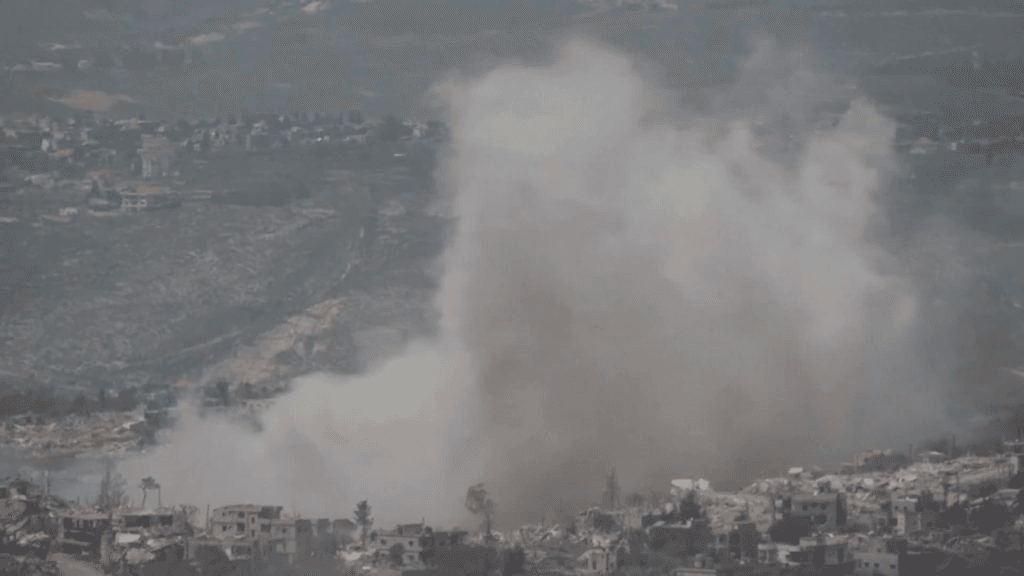
They also connect the Lebanon escalation to the wider regional war after Hezbollah attacked Israel in support of Iran, with Israeli forces launching “its ground and aerial assault in Lebanon,” according to the same reports.
Tommaso Della Longa, a spokesperson for the International Federation of Red Cross and Red Crescent Societies, is quoted in both yalibnan and NBC News saying, “It is a matter of numbers,” and that the number of humanitarian workers killed had “skyrocketed” in recent years.
The reports also invoke international law, saying “International law, including the Geneva conventions, seeks to protect non-combatants like health workers as well as aid workers and civilians.”
In a statement to the United Nations Security Council, Tom Fletcher, the undersecretary-general for humanitarian affairs and emergency relief coordinator, warned of what he described as a “collapse of protection” for humanitarians, and he said the rise has not been an “accidental escalation.”
Fletcher’s figures, as quoted in yalibnan and NBC News, include “In 2025 alone, at least 326 aid workers died in 21 countries,” and “the total number of humanitarians killed in three years to over 1,010,” with “more than 560” killed in the Gaza Strip and the Israel-occupied West Bank during Israeli operations.
Ceasefire, strikes, and rescue teams
While the humanitarian reporting centers on medics like Hasan Badawi, other coverage in the provided sources describes continuing strikes and the targeting of rescue teams in Lebanon even as ceasefire language circulates.
قناة الغد reports that Lebanon's Health Ministry said Israeli airstrikes on the south of the country on Monday killed four people, including a woman, and wounded 51 others, including three children, “despite the ceasefire.”
The same source says the Lebanese Health Ministry on Wednesday announced that “the Israeli enemy targeted three consecutive rescue teams in the town of Meidoun in the Nabatieh District, resulting in the martyrdom of three rescuers.”
It further states that the ministry said a rescue team from the Islamic Health Authority affiliated with Hezbollah “was targeted during its attempt to rescue the wounded, causing the martyrdom of one medic while the second medic remains missing.”
In a second rescue attempt, the ministry said “a second ambulance from the health authority was dispatched to rescue the rescuers, but it was struck, wounding three rescuers,” and in a third attempt “two ambulances from the Al-Risala Association and Nabatieh Ambulance were sent, and they were also struck, killing two rescuers and injuring three.”
The ministry condemned “the crime described that reflects the Israeli enemy’s insistence on preventing rescuers from carrying out their life-saving work in any form,” according to قناة الغد.
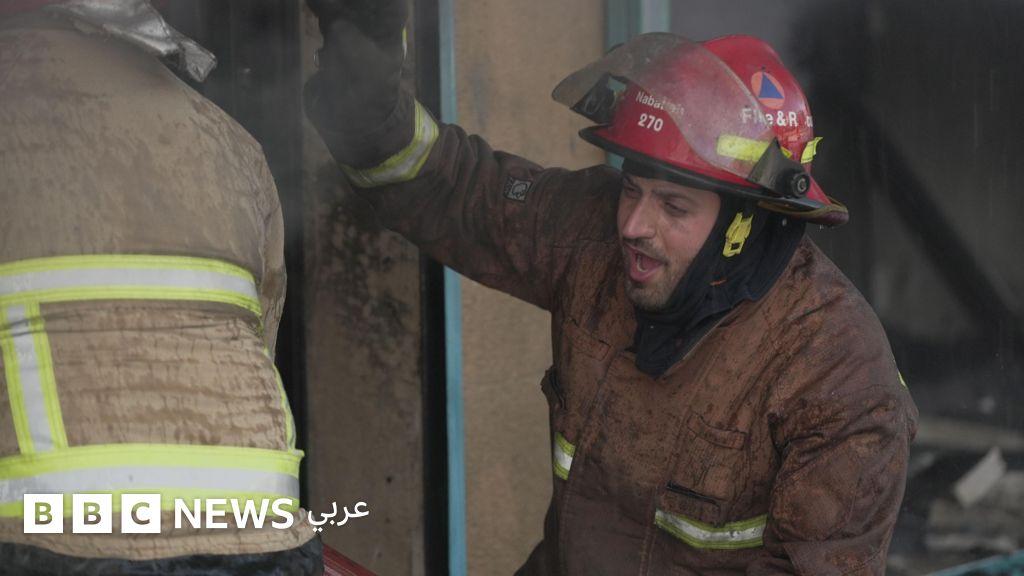
The BBC’s field reporting adds a ground-level view of the same pattern by describing medics and evacuees in Nabatieh rushing toward the hillside after explosions near Nabih Berri Government Hospital, with one emergency responder shouting, “Follow the smoke,” as ambulances tried to reach multiple strike sites.
Escalation, displacement, and health infrastructure
Other reporting in the provided sources describes a broader operational campaign in southern Lebanon that it links to the destruction of health infrastructure and mass displacement.
الجزيرة نت says official statistics issued by the Lebanese government document the displacement of “more than 822,000 people since the expansion of the war on March 2,” and it describes the escalation as relying on “destroying the arteries of basic life and driving residents toward forced displacement.”
It says the deliberate targeting of the health sector is among the clearest indicators of efforts to depopulate the region, and it cites figures that “Israeli attacks have killed 31 health workers and medics, and injured 51 members of emergency medical teams, according to data from the Lebanese Ministry of Health.”
The same source says “five hospitals were forced to close their doors under threats and ongoing bombardment,” and it adds that official sources recorded attacks on “37 emergency medical associations and 12 medical centers,” along with “the destruction and damage of 23 ambulances.”
It also provides a timeline of assaults (March 9–15), including March 9 strikes and an ambulance belonging to the Lebanese Red Cross in Majdal Zoun that it says was attacked with “one medic killed.”
On March 13, الجزيرة نت says attacks focused on the medical sector through strikes on a joint medical outpost in al-Suwana and a bombing of the Barq al-Qulayya Health Care Center in the Bint Jbeil district, stating “twelve doctors and nurses killed.”
The BBC’s account of Nabatieh similarly emphasizes the intensity of strikes and the pace of rescue work, describing dense columns of gray smoke hanging above residential buildings and shops as search and rescue operations began amid chaos.
Journalists, medics, and the international response
The provided sources also connect the Lebanon conflict’s violence against health workers to attacks on journalists and to statements by political figures and international actors.
“Follow the Smoke Columns: A Day with Medics Under Shelling in Southern Lebanon - Author: Alice Kadi - Role: International Correspondent - Reporting from: Nabatieh, South Lebanon - Reading time: 7 minutes The pace of the escalation in the war between Israel and Hezbollah continues, with hundreds killed in Lebanon and hundreds of thousands displaced from their homes since the start of the month”
مونت كارلو الدولية reports that the director of the World Health Organization confirmed the killing of nine medics in five airstrikes that targeted health facilities, and it says Lebanese President Joseph Aoun denounced the killing of journalists who were targeted in the same region.
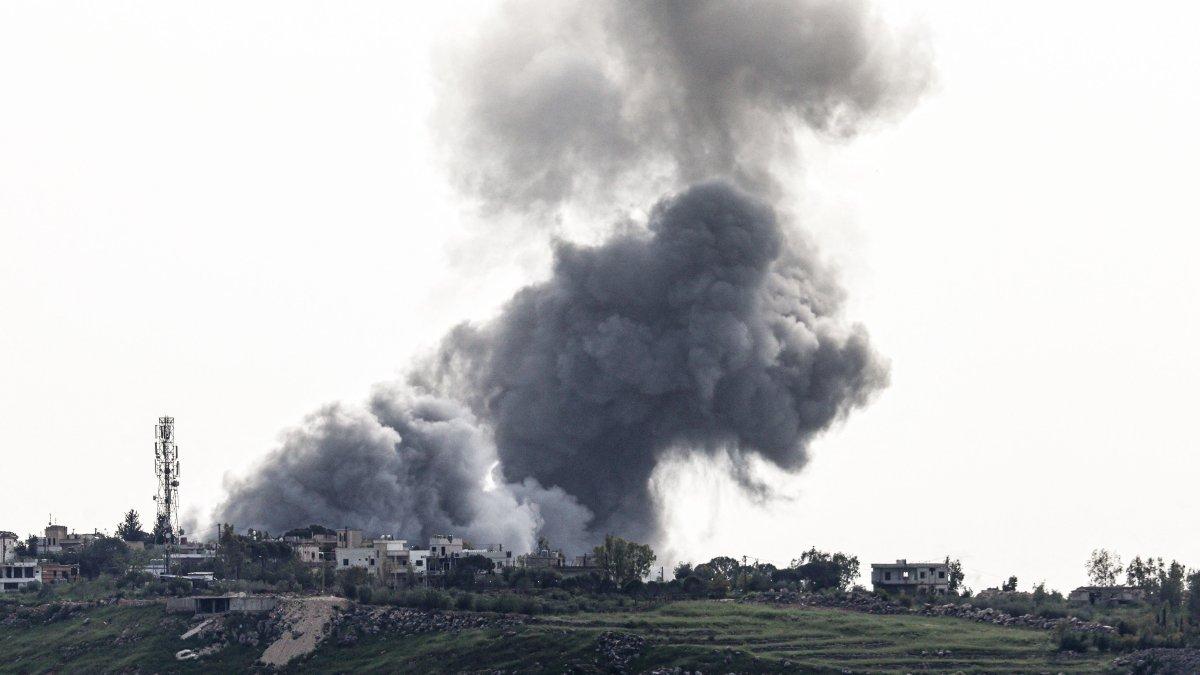
It describes President Joseph Aoun calling the bombardment an “egregious crime” that violates “all rules and treaties under which journalists are protected internationally in wartime,” and it quotes him stressing that the “Israeli aggression” violates “the most basic principles of international law, international humanitarian law, and the law of armed conflict by targeting journalists who are essentially civilians practicing their profession.”
The same report says Al-Mayadeen announced the death of its correspondent Fatima Fatouni after the car she was in was targeted, and Al-Manar confirmed the death of its correspondent Ali Shoaib, while it also reports that several sources said a photographer at Al-Mayadeen was killed and that the channel did not officially confirm it.
It also states that the Israeli army accused Shoaib of being “an element in Hezbollah’s elite unit under the cover of a journalist for Al-Manar,” and that the statement did not specify whether the strike itself caused other casualties.
In parallel, قناة الغد reports that U.S. President Donald Trump said the Israeli and Lebanese leaders would speak on Thursday, writing on his Truth Social platform, “We are trying to find a period of rest between Israel and Lebanon.”
The humanitarian reporting in yalibnan and NBC News also includes a diplomatic response from governments, saying Canada issued a joint statement alongside the United Kingdom, Australia, Japan, Jordan and other nations warning that attacks on aid workers “must stop” and calling for international law to be upheld.
More on Lebanon

Israel Strikes Hezbollah Positions in Lebanon’s Bekaa and Southern Lebanon During Ceasefire
10 sources compared
Eastern Chad Fighting Kills 42 After Water Well Dispute Between Rival Families
10 sources compared

Israel Orders Evacuation of Seven South Lebanon Towns North of Litani River
44 sources compared

Israel Kills Six Hezbollah Fighters in Southern Lebanon After Ceasefire Extension
13 sources compared