
Israel Keeps Al-Aqsa Mosque Closed Through Eid al-Fitr, Palestinians Pray Outside
Key Takeaways
- Al-Aqsa Mosque remained closed during Ramadan; worshippers prayed outside.
- Israel to keep the mosque closed through Eid al-Fitr.
- Palestinians face anger and uncertainty over the closure.
Unprecedented Closure
Israeli authorities have implemented an unprecedented closure of Al-Aqsa Mosque, Islam's third holiest site, during the entire month of Ramadan.
“BREAKING UAE contains fire near Dubai airport after drone attackTrump says NATO faces 'very bad' future if allies fail to help on HormuzIsrael bombs south Lebanon as death toll rises to 850 Click to pause breaking news tickerpause-square-backgroundClose Breaking News Tickerclose Toggle Play Muslims pray near closed Al-Aqsa Mosque on Ramadan holy night Muslims prayed in the streets outside Al-Aqsa Mosque to mark the holiest night of the month of Ramadan known as Laylat al-Qadr, due to the continuing closure of the site by Israeli authorities”
Israeli authorities plan to keep Al-Aqsa closed through the upcoming Eid al-Fitr holiday and beyond.
This marks the first time since Israel seized East Jerusalem in 1967 that Palestinians have been unable to perform Friday prayers at the mosque.
The closure represents a severe disruption to sacred religious traditions.
The closure has forced worshippers to pray in the streets outside the normally vibrant compound.
Al-Aqsa's courtyards that typically fill tens of thousands of worshipers during the last nights of Ramadan remain eerily empty.
Security Pretext
Israel cites the 'security situation' amid the ongoing US-Israeli war on Iran as justification for the mosque closure.
Palestinian authorities and international observers view the security justification as a pretext for consolidating control over the holy site.

Eight Muslim-majority countries have condemned the 'unjustified' closure.
These countries declared that Israel has 'no sovereignty' over the revered site.
The countries demanded an immediate lifting of the restrictions.
Despite international condemnation, the closure continues unchecked.
Friday prayers and Ramadan night prayers remain banned.
Israel's determination to maintain restrictions highlights disregard for diplomatic pressure and religious significance.
Worship Impact
The closure has had a devastating impact on Palestinian worshippers.
“Exclusive: Israel to keep Al-Aqsa Mosque closed through Eid al-Fitr and beyond Israel is set to keep Al-Aqsa Mosque closed through the upcoming Muslim holiday of Eid al-Fitr and beyond, Middle East Eye has learnt”
Palestinians have been completely barred from reaching the Al-Aqsa complex.
Only a limited number of Islamic Waqf staff members have been permitted limited access.
No more than 25 Waqf staff members have been allowed inside the vast mosque complex per shift.
This severely hampering the administration and maintenance of the holy site.
Palestinians have responded by gathering outside the closed compound to perform prayers.
This creates poignant scenes of devotion despite the restrictions.
The closure has been accompanied by a near-total lockdown of the Old City.
The Old City contains Al-Aqsa Mosque and dozens of normally vibrant Palestinian-run markets.
The area remains deserted and economically devastated.
Surveillance Control
Israeli authorities have implemented increasingly stringent control mechanisms over the Al-Aqsa compound.
They have allegedly installed surveillance cameras inside prayer halls within the mosque.
The cameras are reportedly installed inside the Dome of the Rock.
Sources familiar with the mosque's affairs report this surveillance.
Waqf officials suspect Israeli forces have installed cameras enabling constant surveillance.
Israeli authorities rejected a request for an additional staff member from the manuscripts department.
Police stated that if any additional employee were allowed, Israeli settlers would resume daily incursions.
This represents a clear attempt to establish total control over access and activities.
Israeli forces maintain a heavy presence throughout the Old City.
Broader Context
The Al-Aqsa closure occurs within the broader context of the ongoing US-Israeli war on Iran.
“BREAKING UAE contains fire near Dubai airport after drone attackTrump says NATO faces 'very bad' future if allies fail to help on HormuzIsrael bombs south Lebanon as death toll rises to 850 Click to pause breaking news tickerpause-square-backgroundClose Breaking News Tickerclose Toggle Play Muslims pray near closed Al-Aqsa Mosque on Ramadan holy night Muslims prayed in the streets outside Al-Aqsa Mosque to mark the holiest night of the month of Ramadan known as Laylat al-Qadr, due to the continuing closure of the site by Israeli authorities”
Palestinians view it as another attempt by Israel to exploit security tensions.
Israel aims to impose further restrictions and consolidate control over East Jerusalem holy sites.
The timing during Ramadan appears deliberate in its impact on Palestinian religious freedoms.
Ramadan is a month of heightened religious significance for Muslims worldwide.
International observers note this closure follows patterns of Israeli restrictions.
These restrictions occur particularly during sensitive religious periods.
This suggests a systematic approach to controlling religious expression in occupied East Jerusalem.
The prolonged closure through Eid al-Fitr indicates Israel's intention to maintain restrictions.
These restrictions extend beyond immediate security concerns related to the Iran conflict.
More on Gaza Genocide
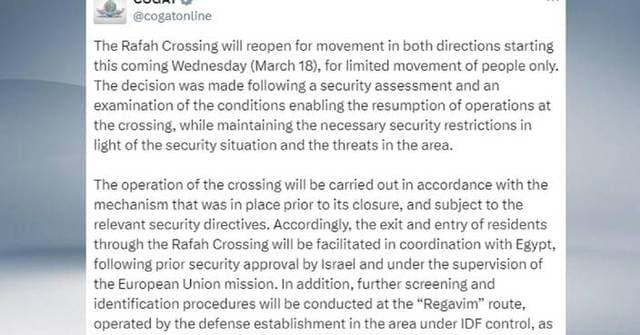
Israel to Partially Reopen Rafah Crossing for Limited Gaza Travel
13 sources compared

UEFA Cancels Finalissima as Argentina Rejects Alternatives Amid Middle East War
11 sources compared

Israel Fired on Family Car in West Bank, Killing Four, Including Two Children
15 sources compared
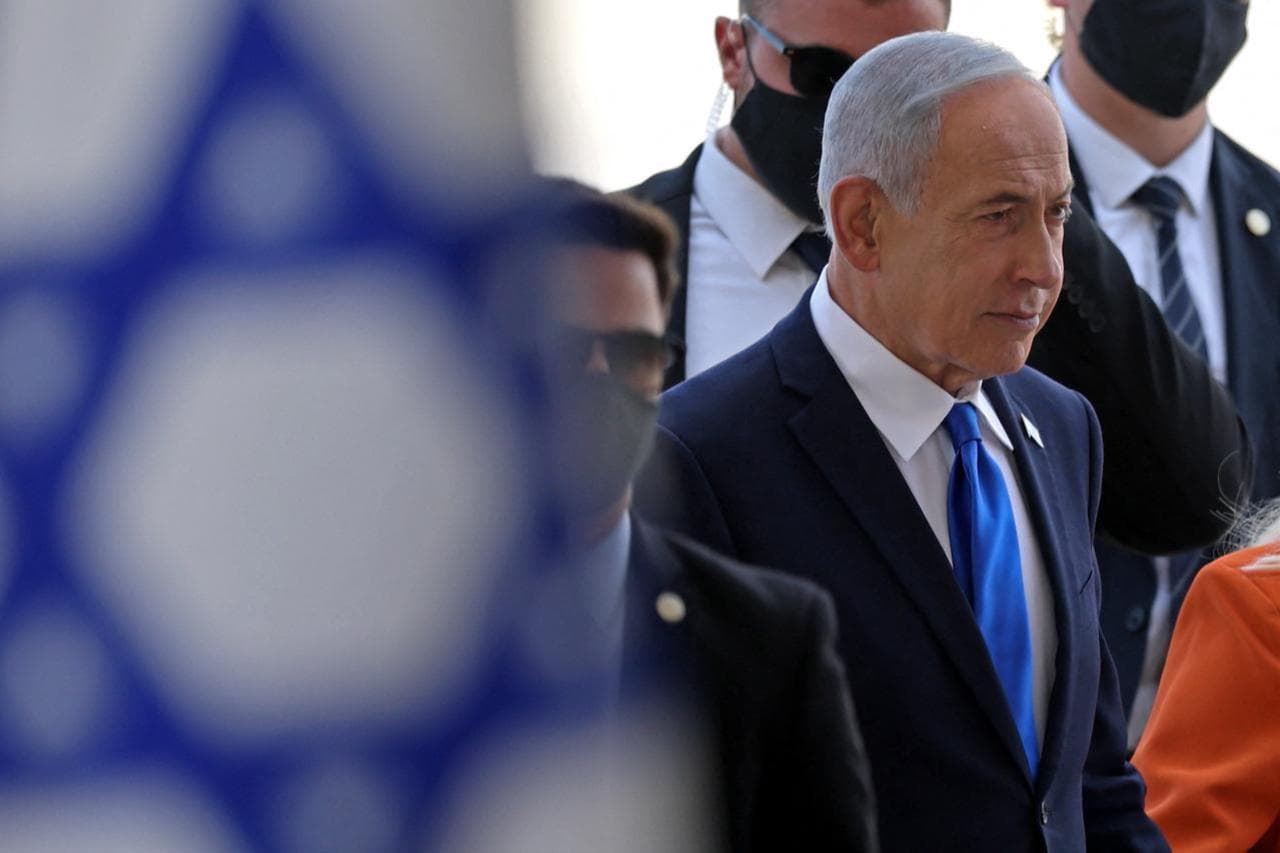
Netanyahu Denies Death Rumors in Video After Iranian Attack
18 sources compared