Gaza Genocide25 February, 20263 min read
Israel Killed Two-Thirds of Journalists Worldwide in 2025, CPJ Says
CPJ reported 129 journalists and media workers killed worldwide in 2025. CPJ attributed roughly two-thirds of deaths to Israel (sources report 84–89 fatalities).
20 outlets told this the same way.
Outlets did split on Israel Marks Oct. 7 Anniversary With Strikes on Gaza, Netanyahu Faces Election After Nova Tribute →
Washington Post was read line by line by the Watchdog: 7.4. See the score →
2025 journalists killed
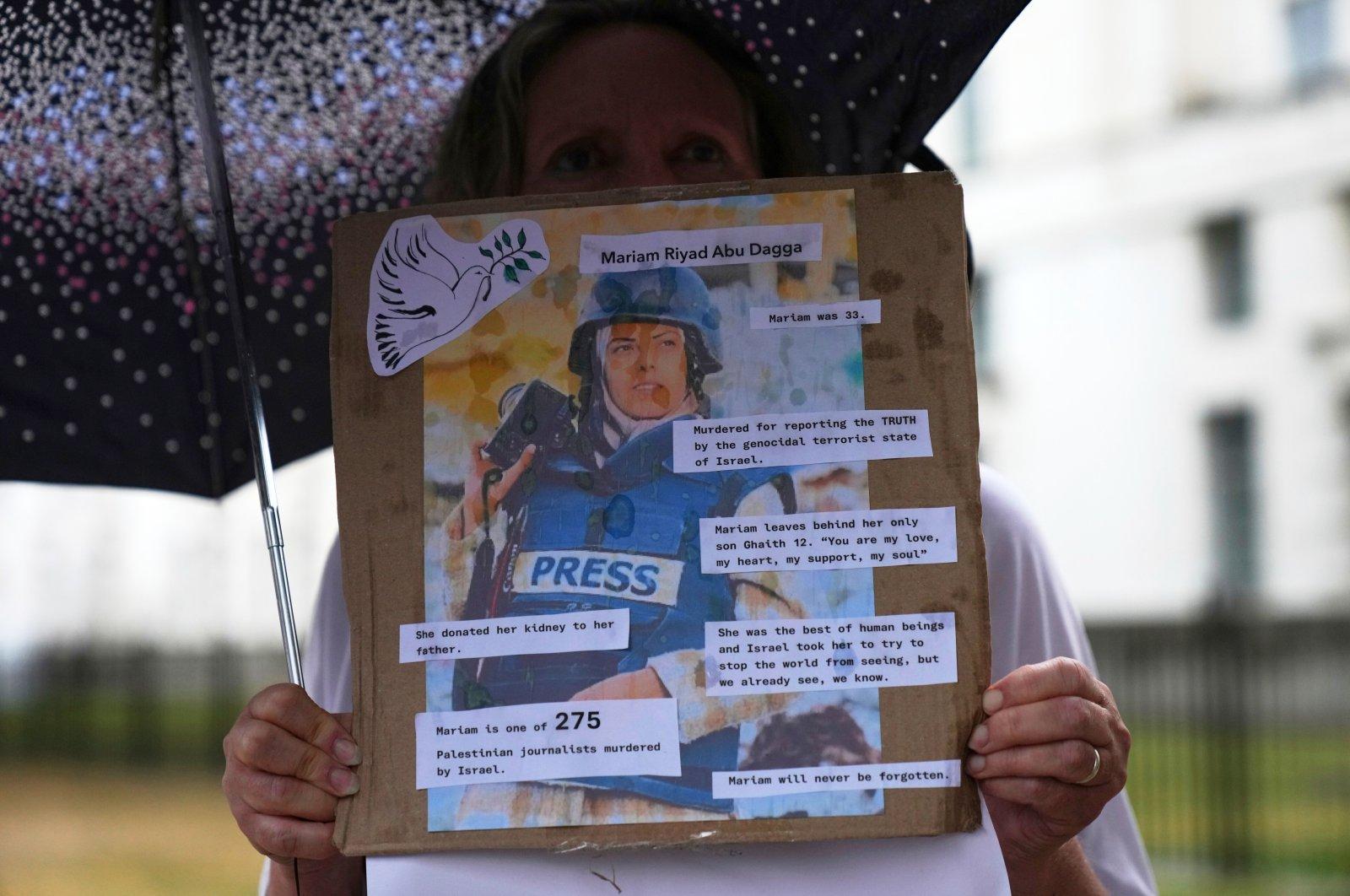
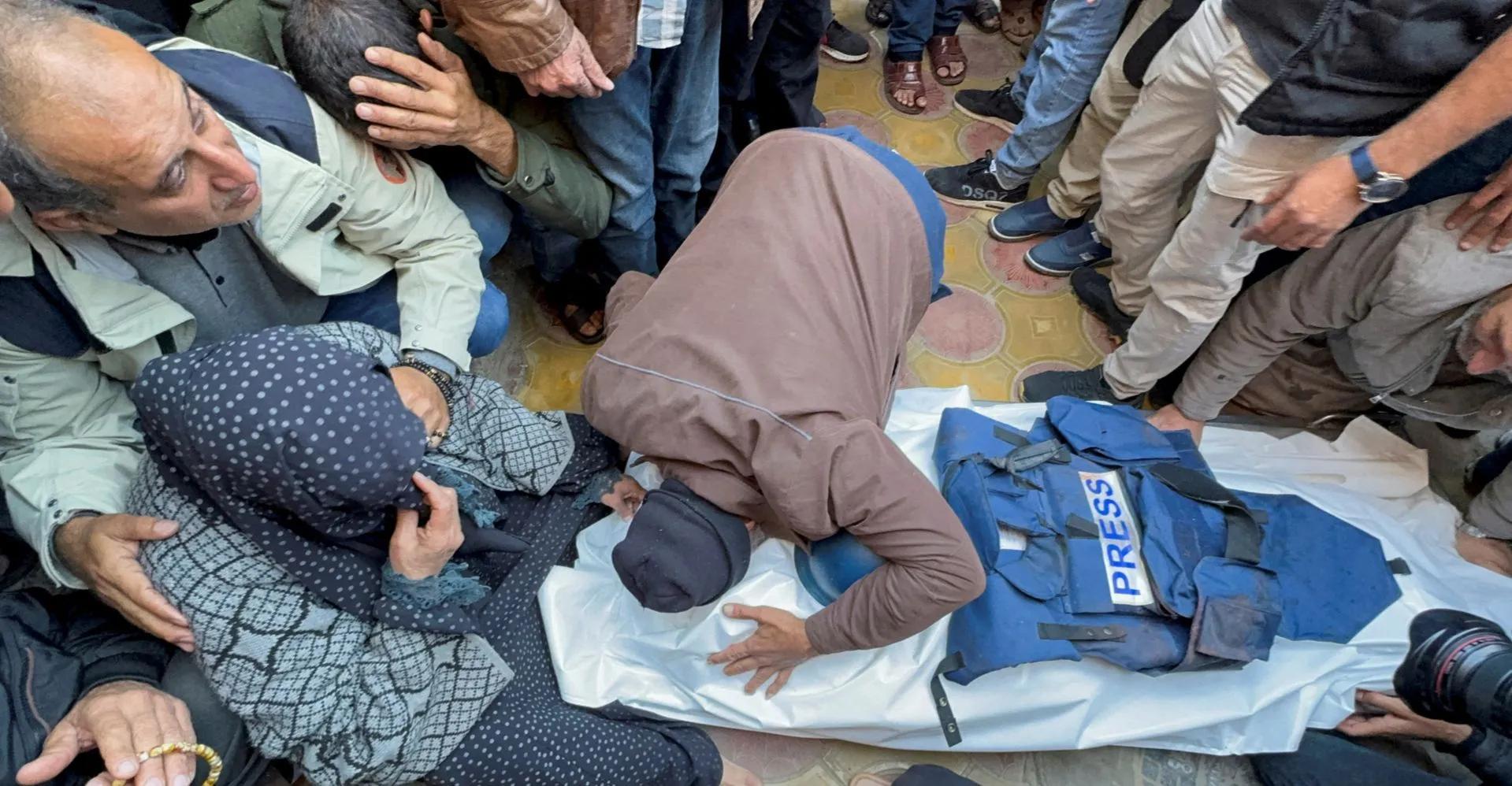
The Committee to Protect Journalists (CPJ) reported that 2025 was the deadliest year on record for journalists, with 129 journalists and media workers killed worldwide. CPJ attributed roughly two‑thirds of those deaths to Israeli fire, saying most of the Israeli‑attributed victims were Palestinian journalists reporting from Gaza. CPJ warned the true toll may be higher because access restrictions and destroyed evidence hinder verification.
“CPJ recorded 129 journalists and media workers killed in 2025 — the highest total since it began tracking deaths. About two-thirds of those deaths (86) were caused by Israeli fire; more than 60% of those victims were Palestinians reporting from Gaza.”
CPJ documented 47 killings it classified as deliberate "murders". CPJ said Israel was responsible for about 81% of those "murders" in the context of the Israel–Gaza war. Several outlets relayed these figures and the warning that independent verification in Gaza is limited.

Drone-linked press deaths 2025
CPJ documented a sharp rise in drone-linked press deaths in 2025.
Drone-related deaths rose from 2 in 2023 to 39 in 2025, with military drones confirmed or suspected in 33 cases.

CPJ attributes 28 of those drone-linked killings to Israeli actions in Gaza, five to Sudan's RSF, four to Russia in Ukraine, one to Houthi forces in Yemen, and one to a suspected Turkish strike in Iraq.
CPJ and multiple outlets cited the Aug. 10 strike that killed Al Jazeera reporter Anas al-Sharif and colleagues in a tent housing journalists.
CPJ and multiple outlets cited the Aug. 25 “double-tap” strike on Nasser Hospital that killed several journalists.
Journalist killings 2025
CPJ singled out deliberate, targeted killings, recording 47 murders of journalists in 2025 and attributing roughly 81% of those targeted killings to Israel in the context of the Israel-Gaza war. The Guardian reported that CPJ's three-decade database shows Israel's military has carried out more targeted killings of journalists than any other government on record.
“CPJ separately documented 47 journalists murdered because of their work in 2025, and attributes roughly 81% of those cases to Israel in the context of the Israel–Gaza war.”
Many regional outlets repeated CPJ's claim that Israeli action accounted for the highest share of targeted press murders in 2025, while several pieces noted slightly different tallies—some reported 84 Israeli-attributed deaths, others 86. Israel's military rejected CPJ's findings in the reports carried by some outlets.
 The Guardian
Journalists killed and impunity
CPJ and multiple outlets document other hotspots and broader patterns. They cite Yemen, where an attack killed 31 journalists and media workers. They cite Sudan, where nine journalists were killed.
They cite Ukraine, where four journalists were killed by Russian drones. They cite Mexico, where at least six journalists were murdered and the cases remain unsolved. CPJ and outlets warn that impunity is pervasive, noting that roughly 80% of journalist killings remain unsolved.

They say smear campaigns, legal harassment and restrictions on independent reporting make verification and accountability harder, especially in Gaza. Rights groups and CPJ call for independent investigations, an international task force, and accountability up the chain of command.
Media coverage differences
Coverage shows consistent alarm about press safety but clear variations in framing. Western mainstream outlets (The Guardian, Washington Post, bgnes) foreground CPJ’s dataset and the rise in drone killings while also noting Israeli denials. West Asian outlets (Al Jazeera, TRT World, Daily Sabah) emphasize Palestinian journalist victims and the obstacles to independent verification in Gaza.
“CPJ attributes 86 deaths to Israel (mostly Palestinians in Gaza) and says Israel was responsible for 81% of the 47 killings it classified as intentional ‘murder.’”
The GuardianCPJ and allied outlets (usmuslims, Türkiye Today) foreground impunity and press calls for international investigative mechanisms and sanctions. Those differences affect how strongly the coverage names Israeli actions as the primary cause of press deaths and how explicitly outlets relay CPJ’s characterization of deliberate targeting.