Lebanon25 November, 20252 min read
Israel Kills 127 Lebanese Civilians Since Ceasefire
This article is an automated aggregation of coverage from news outlets. Our editorials offer in-depth analysis curated by the NewsCord team.
UN reports at least 127 Lebanese civilians killed by Israeli strikes since the ceasefire Israeli strike on Ain al-Hilweh refugee camp killed 13 civilians, including 11 children
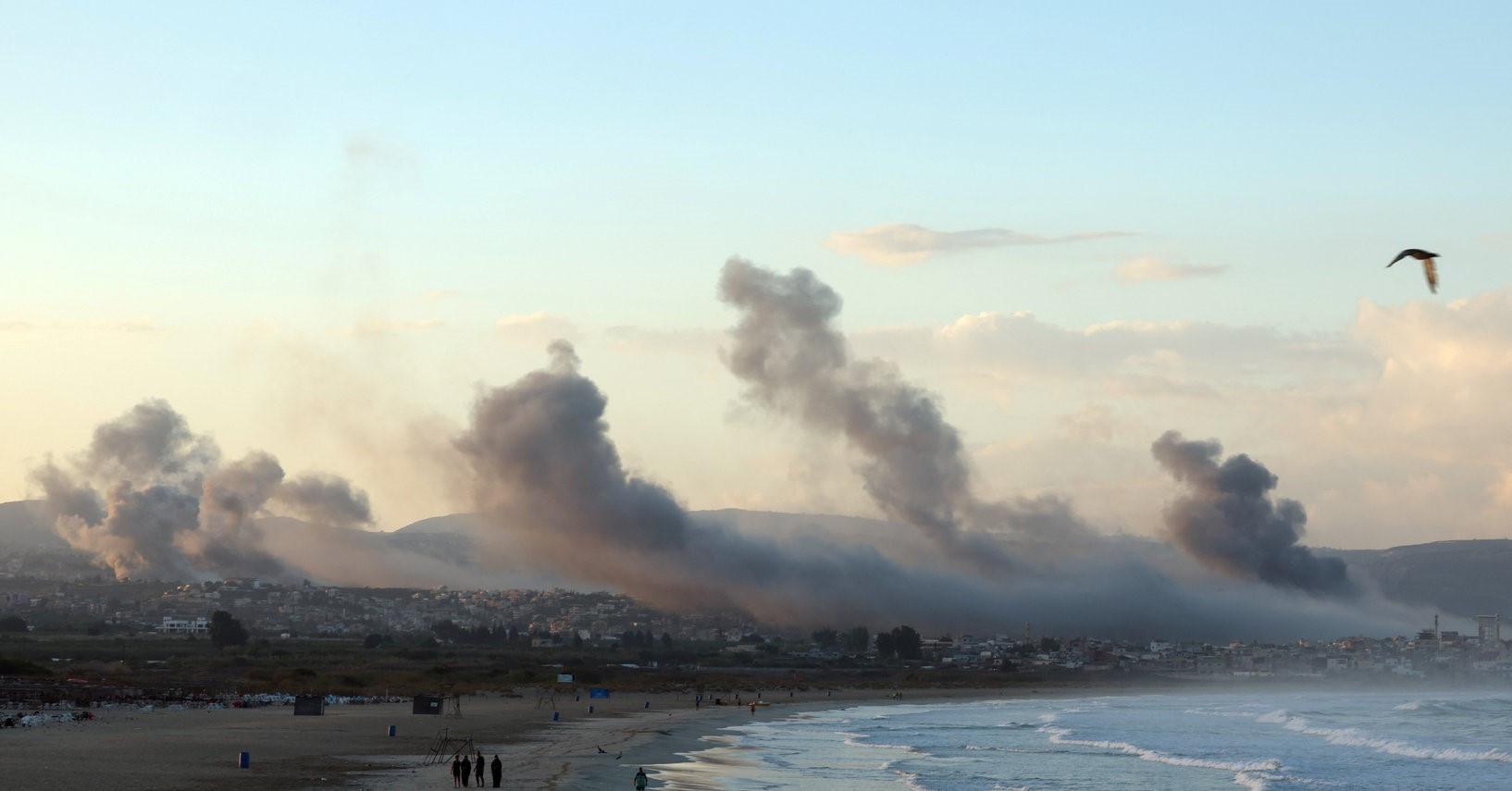
7 outlets told this the same way.
Disputed Lebanon casualties
The UN human rights office has verified that at least 127 Lebanese civilians were killed in Israeli strikes since the ceasefire that began on 27 November 2024. The UN figure was confirmed in a Geneva briefing by spokesperson Thameen Al‑Kheetan and contrasts with higher totals reported by Lebanon’s health ministry, which says more than 330 were killed and 945 injured in the same period.
“UN OHCHR spokesperson Thameen Al‑Kheetan said at least 127 civilians have been killed since the ceasefire. Lebanese authorities report 5,350 ceasefire violations through Nov. 20, 2025, with 331 dead and 945 wounded, including women and children.”
Lebanese authorities have logged thousands of alleged ceasefire violations, highlighting continuing violence along the border. International monitors and local institutions are emphasizing the civilian toll and calling for investigations amid the competing national tallies.

Ain al-Hilweh strike overview
A recent strike on the Ain al-Hilweh (Ein El-Hilweh) Palestinian refugee camp near Saida has emerged as a central incident in the UN's verification update, with the attack reportedly killing 13 people, 11 of them children, and the UN's documented fatalities identified as civilians. The UN described the strike as having killed civilians in the camp, while Israeli officials say they were targeting Hamas militants in some incidents, a clash of narratives that has prompted calls for impartial probes. Local reporting and rights monitors note the particular vulnerability of refugee camps to strikes and have underscored the high number of child victims in this attack.
Damage and ceasefire violations
Beyond individual incidents, the UN and regional outlets warn that continued strikes — and threats of wider offensives — have damaged homes, roads, factories and construction sites, blocked reconstruction and prevented displaced families from returning.
“Strikes have also hit homes, roads, factories and construction sites, further worsening humanitarian conditions.”
Lebanese officials told reporters they have registered thousands of alleged ceasefire violations (over 5,300 through Nov. 20, 2025), and rights monitors say such sustained operations exacerbate humanitarian conditions and civilian vulnerability across southern Lebanon and affected towns.
UN tally and accusations
The UN and rights monitors say their 127-civilian figure reflects verification standards and that additional incidents remain under investigation; the UN called for prompt, impartial probes and accountability for violations of international humanitarian law. Reporting notes the UN’s tally counts only verified civilian deaths, so smaller or disputed incidents — including the reported slaying of a school principal and a municipal employee noted by local sources — may be added after verification. Both Lebanon and Israel continue to exchange accusations: Lebanon accuses Israel of breaching the ceasefire, while Israel accuses Hezbollah of rebuilding military capabilities.