Lebanon19 November, 20252 min read
Israel Kills 13 in Drone Strike on Ein el-Hilweh Palestinian Refugee Camp
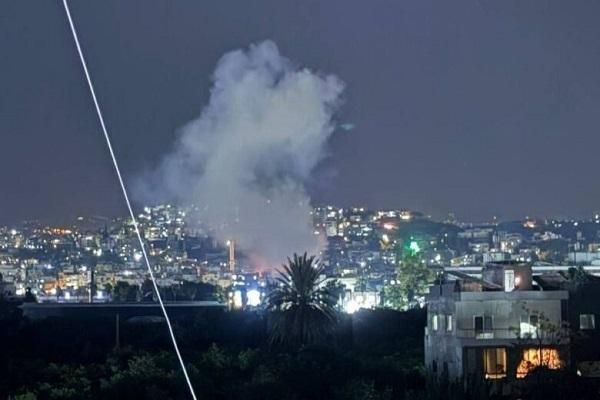
Drone strike hit a vehicle in Ein el‑Hilweh refugee camp near Sidon, Lebanon. Attack killed at least 13 people and wounded several, Lebanon's health ministry said.
60 outlets told this the same way.
Outlets did split on Lebanon’s Judiciary Prepares To Apply General Amnesty Law No. 70, Judge Ahmed Rami Al-Hajj Says →
Drone strike in Lebanon
An Israeli drone strike on the Ein el‑Hilweh (Ain al‑Hilweh) Palestinian refugee camp on the outskirts of Sidon in southern Lebanon killed at least 13 people and wounded several others, Lebanese health authorities and state media reported. Lebanon’s National News Agency and the Health Ministry said the strike hit a car in the parking lot of the Khalid bin Al‑Walid Mosque, and rescuers and ambulances were evacuating the wounded; video and reports described three missiles striking the mosque and a nearby community centre. Multiple outlets described the incident as the deadliest single strike in Lebanon since the November 2024 ceasefire.
“Israeli drone strikes and airstrikes hit the Ein al-Hilweh Palestinian refugee camp in southern Lebanon on Tuesday, killing at least 13 people and wounding several others, Lebanese officials said.”
Camp strike aftermath
Rescue operations and access to the site were constrained amid reports that local fighters prevented journalists from entering. Ambulances continued evacuating casualties and authorities appealed for blood donations. Multiple outlets described chaotic scenes of thick smoke, ambulances and emergency crews extracting the wounded and dead.
They said the camp’s victims had not been publicly identified by Lebanese authorities. Some local and regional sources characterised the strike as an attack on civilians and a violation of Lebanon’s sovereignty.

Strike claim and denials
Israel’s military said it struck a 'Hamas training compound' in the camp and vowed to continue acting against threats on its northern border. Hamas and Palestinian factions denied the presence of such installations, calling the allegation false or 'fabricated'. Independent and alternative outlets said Israel provided no publicly available evidence in the hours after the strike and noted the difficulty of verification inside the camp.
“Israel said it was targeting Hamas operatives using the camp as a ‘training compound,’ a claim Hamas denied.”
Cross-border strike context
The strike was reported amid a broader pattern of Israeli operations in southern Lebanon over more than two years.
It came after a November 2024 ceasefire with Hezbollah.

Several outlets placed the incident in a wider context of repeated cross‑border strikes that have killed scores and raised fears of further escalation.
Some reports linked the strike to a campaign targeting Palestinian and Hezbollah figures, citing past attacks such as the Jan. 2, 2024 killing of Saleh Arouri.
Others emphasized immediate political fallout in Lebanon, including protests, calls to disarm militias, and diplomatic friction with the U.S. and regional actors.