Gaza Genocide19 November, 20252 min read
Israel Kills 25 in Khan Younis Massacre, Violates Fragile Ceasefire
This article is an automated aggregation of coverage from news outlets. Our editorials offer in-depth analysis curated by the NewsCord team.
Israeli airstrikes killed at least 25 Palestinians across Gaza, health ministry said Strikes hit Zeitoun, Shejaia and Khan Younis, killing civilians including women and children
10 outlets told this the same way.
Gaza airstrikes and response
Israeli airstrikes across Gaza on Wednesday killed at least 25 Palestinians. The fatalities included multiple people in Khan Younis, Zeitoun and Shujaiyah. Gaza health authorities and witnesses say the attacks crossed the agreed "yellow line" separating Israeli-controlled areas from designated safe zones.
“At least 25 Palestinians were killed in four Israeli airstrikes in Gaza on Wednesday, the Health Ministry said — 10 in Zeitoun, two in Shejaia and the rest in two strikes in Khan Younis.”
The Israeli military said the raids were retaliation after militants fired on Israeli troops and reported no Israeli casualties. Hamas condemned the strikes as a massacre and denied responsibility for the shooting that Israel cited as justification.
Reported civilian strikes and casualties
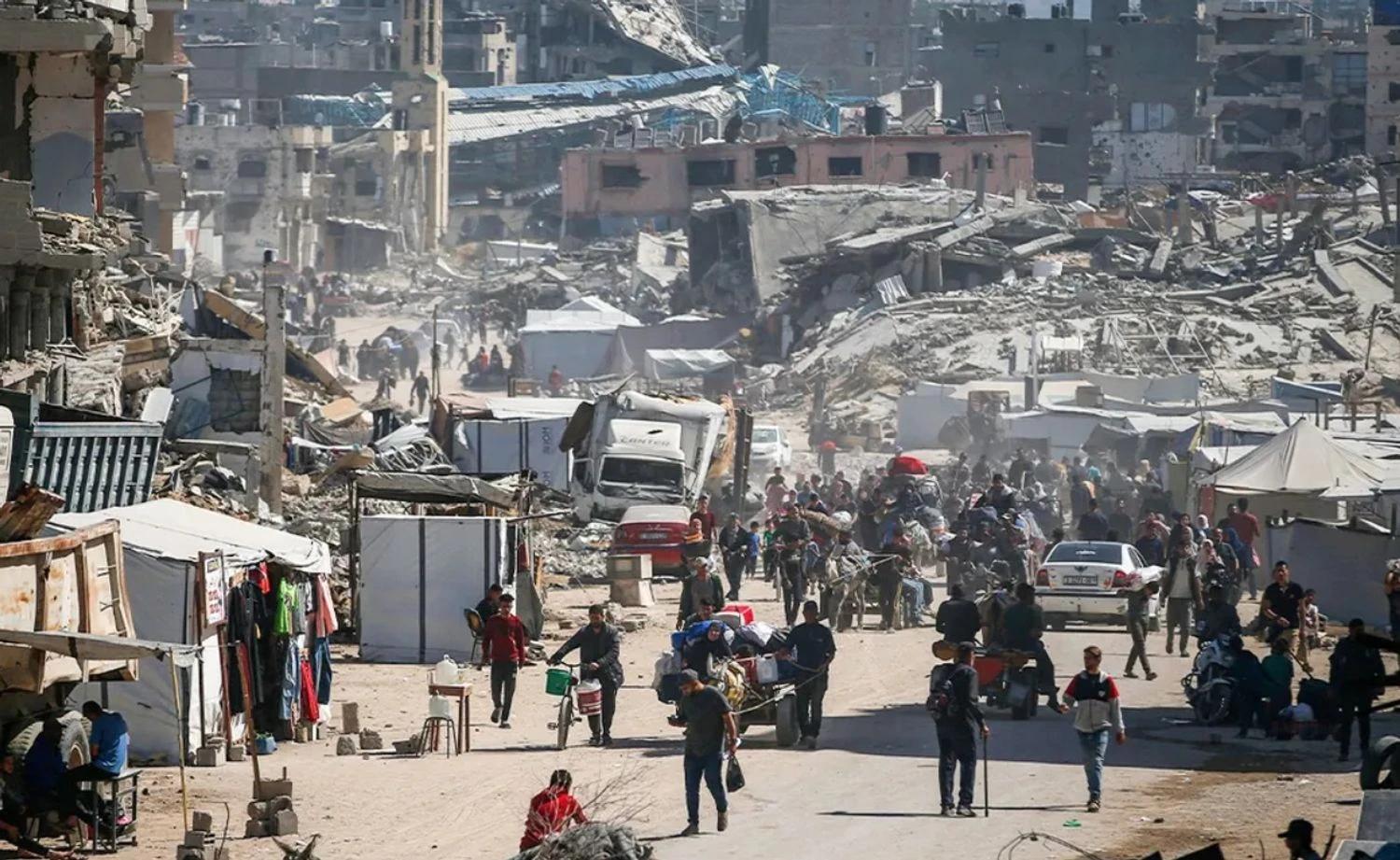
Multiple sources list specific civilian targets and victims. Reporters and officials said Israel struck the Endowments Ministry headquarters in Zeitoun, killing five, including a pregnant woman and a child. They said a UN-run club sheltering displaced families in Khan Younis was struck.
A residential building and civilian gatherings in Shujaiya were also hit. Other homes and gatherings were reported struck as well. Survivors and medics described chaotic scenes and overwhelmed hospitals receiving the dead and injured.

Ceasefire breach and confusion
The strikes represent a clear breach of the fragile ceasefire that had largely held since early October, with reports showing Israeli forces struck areas from which they had withdrawn under the truce and both sides accusing one another of violations, raising the risk of renewed large‑scale fighting.
“Israeli strikes across Gaza after last month’s ceasefire killed people from both sides of the yellow line... The Israeli military said the strikes were in response to militants who fired on troops in Khan Younis.”
Sources disagree about the exact place Israel cited for the gunfire: some report Israel said militants fired on troops in Khan Younis, while others say Israel cited Rafah, revealing inconsistencies in public Israeli statements as reported by different outlets.
Gaza humanitarian crisis
The humanitarian picture is stark: hospitals were overwhelmed, and paramedics said they were unprepared and worked from tents. Gaza’s basic services remain crippled — water and sanitation systems are largely destroyed and dependent on generators, while aid deliveries remain insufficient as winter approaches. Gaza health authorities say hundreds have been killed since the truce began, a toll used by international agencies, though the health ministry does not distinguish civilians from combatants.
Regional escalation and backlash
The incident fits into a broader regional pattern. Israel’s intensified operations have spilled into other frontiers and prompted diplomatic backlash. Israel intensified strikes in southern Lebanon the same day.
“Separately, Israeli Prime Minister Benjamin Netanyahu and other officials visited a demilitarized buffer zone in Syria that Israel seized after the fall of Bashar Assad’s forces.”
Israeli officials visited a buffer zone in Syria. That visit drew condemnation from Damascus and neighboring states, which said the moves entrenched control of disputed ground.
