Gaza Genocide19 November, 20251 min read
Israel Kills 25 Palestinians in Gaza Airstrikes, Violating Near Six-Week US-Brokered Ceasefire
This article is an automated aggregation of coverage from news outlets. Our editorials offer in-depth analysis curated by the NewsCord team.
Israeli airstrikes killed at least 25 Palestinians in Gaza on Wednesday. Strikes hit Zeitoun, Shejaia and Khan Younis districts in Gaza, according to local medics.
7 outlets told this the same way.
Outlets did split on Thousands March in London Calling for Britain to Stop Arming Israel and Impose Sanctions →
Gaza airstrikes and casualties
Israeli airstrikes killed at least 25 Palestinians across Gaza on Nov. 19–20.
“At least 25 Palestinians were killed in four Israeli airstrikes on Wednesday in areas of Gaza under Hamas control, health officials said.”
The strikes hit four locations that health authorities say are under Hamas control, according to local health officials and multiple reports.

Medics and witnesses reported 10 deaths in Zeitoun, two in Shejaia and the remainder in separate strikes in Khan Younis.
One of the strikes hit a U.N.-run club that houses displaced families.
Another hit a building of Muslim religious authorities.
Multiple outlets said the strikes occurred beyond an agreed "yellow line" separating Israeli- and Palestinian-controlled areas, highlighting the fragility of the near six‑week U.S.-brokered ceasefire that began Oct. 10.
Truce clashes and accusations
The Israeli military said it struck Hamas targets after militants fired on Israeli troops, calling the actions a response to what it described as a ceasefire violation and reporting no Israeli injuries. A U.S. official, speaking anonymously, accused Hamas of trying to break the truce.
Hamas condemned the raids and urged outside pressure, particularly from the United States and Arab mediators, to stop Israeli strikes. Several accounts emphasize that both sides continue to accuse the other of violations, deepening mistrust around the truce.
Civilian harm and aftermath
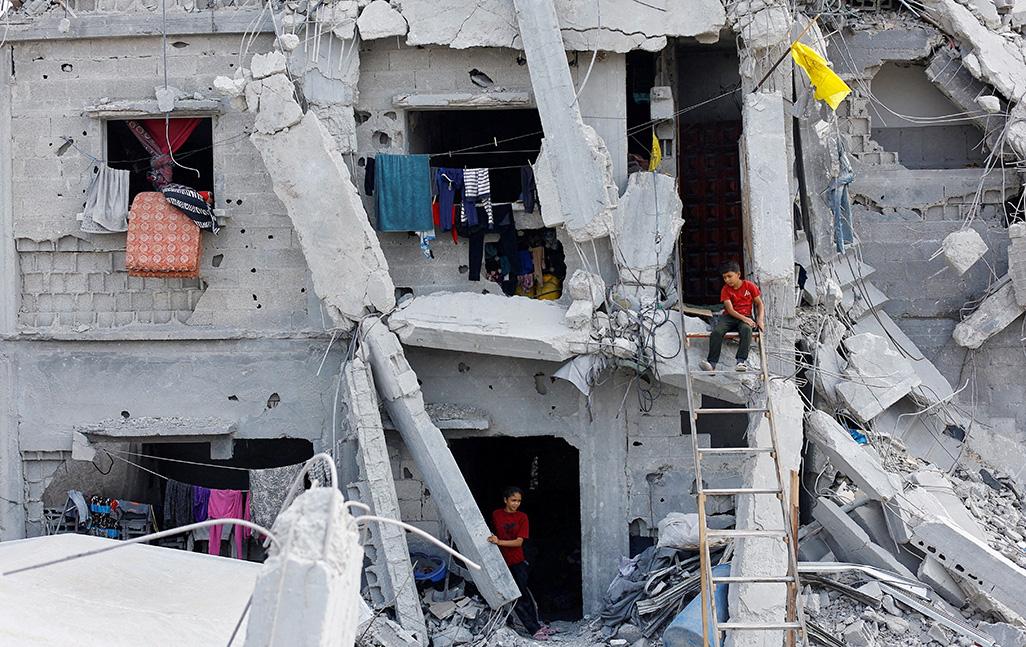
Local medics and rescue teams described heavy civilian harm and scenes of families searching rubble for missing relatives. Deccan Herald and Daily Times reported localized casualty details in Khan Younis, including a strike on a house in Bani Suhaila that killed three people, including a baby girl, and witnesses said five members of one family were among the dead.
“Medics reported one strike on a house in Bani Suhaila killed three (including a baby girl) and wounded 15, while another in nearby Abassan killed a man and wounded three; Israel’s military confirmed the strikes but said it was not aware of casualties.”
CBC carried a displaced civilian's eyewitness account of the aftermath: "Everyone was screaming ... people were in pieces." These on-the-ground reports emphasize civilian suffering in shelters and residential areas hit by the strikes.