Full Analysis Summary
2025 journalist deaths
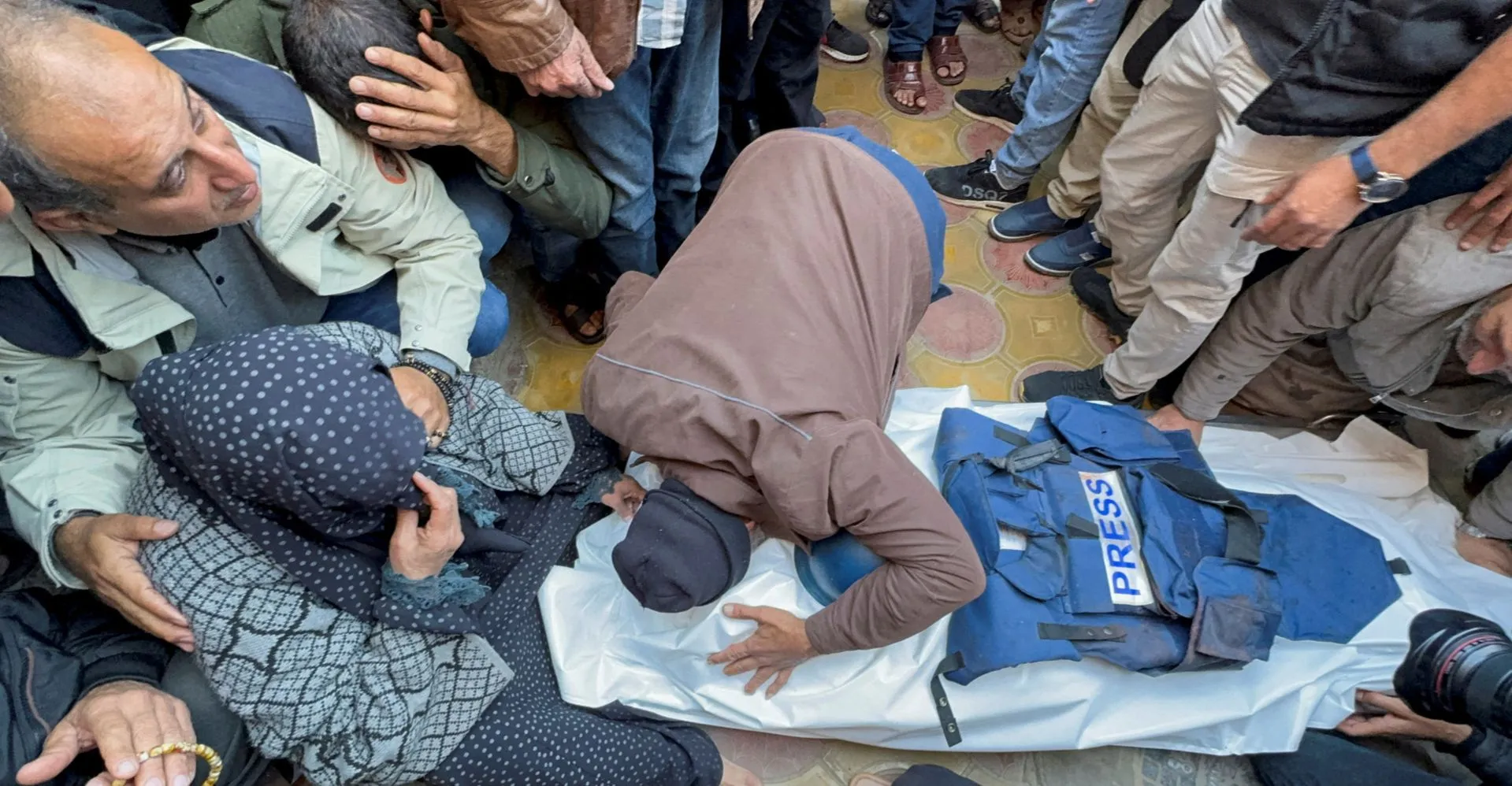
The Committee to Protect Journalists (CPJ) found 2025 was the deadliest year for the press since it began tracking deaths in 1992, documenting 129 journalists and media workers killed worldwide.
CPJ concluded that roughly two‑thirds of those deaths were caused by Israel, with various reports putting the Israeli-linked toll between 84 and 89 journalists, making Israel the single government most often linked to targeted killings of reporters in CPJ’s records.
CPJ counted 47 incidents it classifies as targeted killings, and several outlets describe the Israeli military as carrying out more targeted killings of journalists than any other government.
The scale of deaths, and CPJ’s classification of many as deliberate or targeted, underpins calls by press‑freedom groups for urgent international action.
Coverage Differences
Numeric discrepancy
Different sources report slightly different counts for how many journalists were killed by Israel in 2025: Al Jazeera cites 84, TRT World and bgnes say about 86, Scroll.in says 89. These are all reporting from CPJ’s findings but use different rounding or case attributions; the variance reflects reporting choices rather than a disagreement about the overall conclusion that Israel accounted for roughly two‑thirds of the 129 deaths.
Framing
Western mainstream outlets (e.g., The Guardian, bgnes) highlight CPJ’s data and note Israel’s denials, while regional outlets (e.g., Al Jazeera, TRT World) foreground Palestinian deaths in Gaza and name slain local reporters; CPJ and several other outlets explicitly describe many incidents as targeted killings.
Journalists killed in Gaza
CPJ and multiple news outlets document that most journalists killed by Israeli fire in 2025 were Palestinian reporters in Gaza.
They name specific deadly incidents in which Israeli strikes hit media facilities or journalists at work.
The CPJ report cites the August 10 strike that killed Al Jazeera reporter Anas al-Sharif with colleagues in a tent housing journalists.
Reuters’ camera feeds and reporters were hit in strikes such as the attack near Nasser Hospital that killed Reuters journalist Hussam al-Masri while he was live-streaming.
Several outlets underline that Gaza lacks access for foreign reporters, meaning the majority of victims there were Palestinian media workers.
Coverage Differences
Specific incidents
Some sources emphasize particular cases differently: The Guardian highlights the Nasser Hospital/Reuters camera incident and disputes over whether the device was a Hamas camera; CPJ details the tent strike that killed multiple Al Jazeera staff; Al Jazeera names its slain journalists and stresses Yemeni newspaper staff killed by Israeli strikes.
Access and attribution
Regional outlets stress Gaza’s lack of foreign reporters and the Palestinian identity of most victims (Al Jazeera, The Guardian), while some mainstream pieces note Israel’s assertions that it targets combatants or military sites (The Guardian, Daily Sabah). This creates divergent emphases on whether strikes were on media as such or on purported military targets.
Drone-related journalist deaths
CPJ documents a sharp increase in drone-related killings of media workers in 2025, recording 39 drone-linked deaths compared with just two in 2023.
CPJ attributes 28 of those drone deaths to Israeli strikes in Gaza.
Other actors included Sudan’s Rapid Support Forces and Russian forces in Ukraine.
CPJ and regionally focused outlets highlight how military drone use has become a principal driver of journalist fatalities, especially in Gaza and Ukraine.
Coverage Differences
Attribution detail
Most sources agree on the jump to 39 drone cases and on 28 attributed to Israel in Gaza, but they frame the point with different emphases: CPJ and TRT World present the breakdown (28 Israel, 5 Sudan RSF, 4 Russia), while outlets like usmuslims add context about the Gaza offensive’s broader casualty figures.
Severity framing
Some sources stress the technological change and impunity (CPJ, TRT World), while others embed the drone figures in broader casualty narratives of the Gaza offensive (usmuslims), which can amplify perceptions of systematic attack versus tactical incidents.
Impunity in journalist killings
CPJ and many reporting outlets warn of a pervasive culture of impunity.
Nearly none of the 47 alleged targeted killings have produced transparent prosecutions, and CPJ called for radical reforms including an international investigative task force and targeted sanctions.
The report ties impunity to broader threats to free expression.
It notes unresolved murders in countries such as Mexico and names the state execution of Saudi columnist Turki al‑Jasser as a worrying example of deadly repression.
Coverage Differences
Policy response
CPJ and several outlets (usmuslims, thenigerianvoice) call for international investigations and targeted sanctions; mainstream outlets often additionally quote Israel’s denials (The Guardian, Daily Sabah), creating a split between calls for accountability and official denials that incidents targeted journalists.
Focus differences
Some outlets use the CPJ figures to emphasise national or regional patterns beyond Gaza: bgnes, Tempo.co and others stress rising deaths in Ukraine and Sudan and unresolved murders in non‑war countries, suggesting impunity is both a wartime and peacetime problem.
Journalist deaths in 2025
CPJ and news outlets recorded high journalist death tolls beyond Gaza in 2025, including in Sudan, Mexico, Ukraine and other countries.
They documented attacks outside formal battlefields, including killings linked to corruption, organised crime and state repression.
Examples cited across outlets include nine killed in Sudan.
They include six killed in Mexico, with no successful prosecutions reported.
Four were killed in Ukraine, many struck by Russian drones.
Outlets also report 31 staff killed in Yemeni newspaper offices that sources report were hit by Israeli strikes.
Coverage Differences
Geographic emphasis
Some sources centre Gaza and Israeli responsibility (Al Jazeera, CPJ), others broaden to global press threats with examples from Mexico, Sudan and Ukraine (bgnes, Scroll.in, Journalism Pakistan). This produces different narratives: Gaza‑focused pieces stress Israeli actions and Palestinian deaths; other outlets frame 2025 as a global crisis of impunity affecting journalists in multiple countries.
Yemen coverage
Al Jazeera and CPJ explicitly report Israeli strikes killed 31 staff in Yemeni newspaper offices; some other outlets highlight the figure, while others focus less on Yemen and more on local non‑war killings like those in India or Mexico.