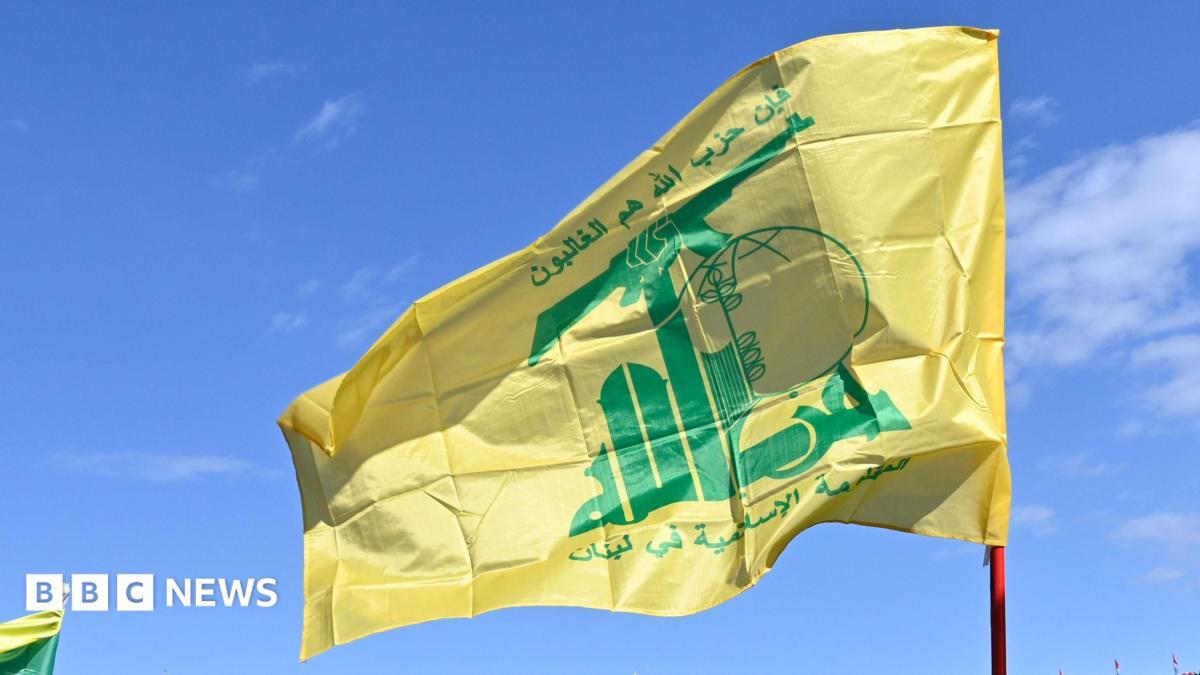
Lebanon21 February, 20262 min read
Israel Kills at Least 10 in Bekaa Valley, Including Senior Hezbollah Official
This article is an automated aggregation of coverage from news outlets. Our editorials offer in-depth analysis curated by the NewsCord team.
Israeli airstrikes killed at least 10 people in Lebanon’s Bekaa Valley. Casualties include a senior Hezbollah official and several Hezbollah members.
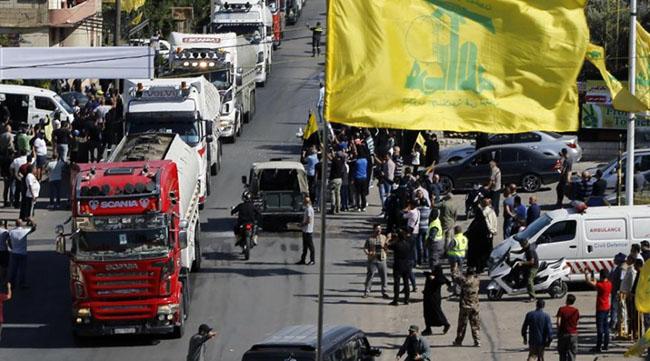
21 outlets told this the same way.
Outlets did split on Lebanon’s Judiciary Prepares To Apply General Amnesty Law No. 70, Judge Ahmed Rami Al-Hajj Says →
Bekaa Valley airstrikes
Israeli airstrikes on Friday hit sites in Lebanon’s Bekaa Valley, around Baalbek and Riyaq. Multiple Lebanese and international reports said the strikes killed at least 10 people and wounded dozens, while some outlets reported higher tolls.
“At least 10 people were killed and about 50 wounded in Israeli airstrikes on Friday in Lebanon’s eastern Bekaa Valley, security sources told international media.”
Several sources said Israel struck what it called Hezbollah 'command centres' in the Baalbek area, and local and Hezbollah-linked reporting indicated a senior Hezbollah figure was among the dead. Reports vary on the total killed and wounded: many outlets and Lebanon’s health ministry cited 'at least 10' dead and more than two dozen wounded, while other accounts reported roughly a dozen or 12 dead and up to about 50 wounded.

Israeli framing of strikes
Israel’s military statements repeatedly described the strikes as aimed at Hezbollah "command centres" and accused the group of embedding assets among civilians or storing weapons and funds. The military framed the raids as responses to ceasefire violations.
Several outlets quote Israeli military language that presents the operations as counter-measures to ongoing threats and to alleged Hezbollah rearmament since the 2024 ceasefire. Those reports portray the strikes as part of a broader campaign of operations that Israeli officials say have continued since the truce.

Reactions to strikes
Hezbollah and Lebanese officials reacted angrily. Hezbollah confirmed multiple fighters were killed and named local commanders. Hezbollah's leaders used strong language condemning the strikes.
“Lebanon’s government called Israel’s actions a breach of the deal and urged international pressure; Prime Minister Nawaf Salam described the situation as a 'one‑sided war of attrition.'”
Lebanese government officials and politicians described the attacks as breaches of the ceasefire and called for international pressure. Hezbollah-linked outlets and regional sources listed several commanders by name. Lebanese state and health agencies provided casualty tallies that some international outlets echoed.
Ceasefire strains and tensions
Analysts and several news outlets warned the strikes risk further undermining the U.S.-brokered November 2024 ceasefire. They cautioned the strikes could escalate regional tensions that have included near-daily Israeli raids since the truce.
Coverage links the incidents to broader regional dynamics, including US warnings about possible action against Iran if nuclear talks fail. Reports note both sides dispute the geographic and substantive scope of the ceasefire, with Lebanon and Hezbollah saying it applies only in the south.

Ain al‑Hilweh strike dispute
The Bekaa strikes came hours after an Israeli strike hit the Ain al‑Hilweh (Ein el‑Hilweh / Ain el‑Hilweh) Palestinian refugee camp near Sidon that several outlets said killed two people. Israel described that hit as targeting a Hamas command centre.
“Israel also said it hit a Hamas command centre in the Ain al‑Hilweh Palestinian refugee camp near Sidon; Hamas denied the claim, saying the target belonged to the camp’s Joint Security Force.”
Hamas and other camp actors disputed that claim, saying the building targeted belonged to the camp’s Joint Security Force or denying it was a Hamas facility. Coverage of the camp strike shows explicit disagreement between Israeli statements and Palestinian/Hamas denials.