Gaza Genocide21 January, 20262 min read
Israel Kills at Least 11 Palestinians in Gaza, Including Three Journalists and Two 13-Year-Old Boys
This article is an automated aggregation of coverage from news outlets. Our editorials offer in-depth analysis curated by the NewsCord team.
Israeli strikes killed at least 11 Palestinians in Gaza, including three journalists and two 13-year-olds Three journalists killed when Egyptian Relief Committee vehicle was struck while documenting a displacement camp

64 outlets told this the same way.
Outlets did split on Israel Marks Oct. 7 Anniversary With Strikes on Gaza, Netanyahu Faces Election After Nova Tribute →
Associated Press was read line by line by the Watchdog: 6.7. See the score →
Jan. 21 Gaza casualties
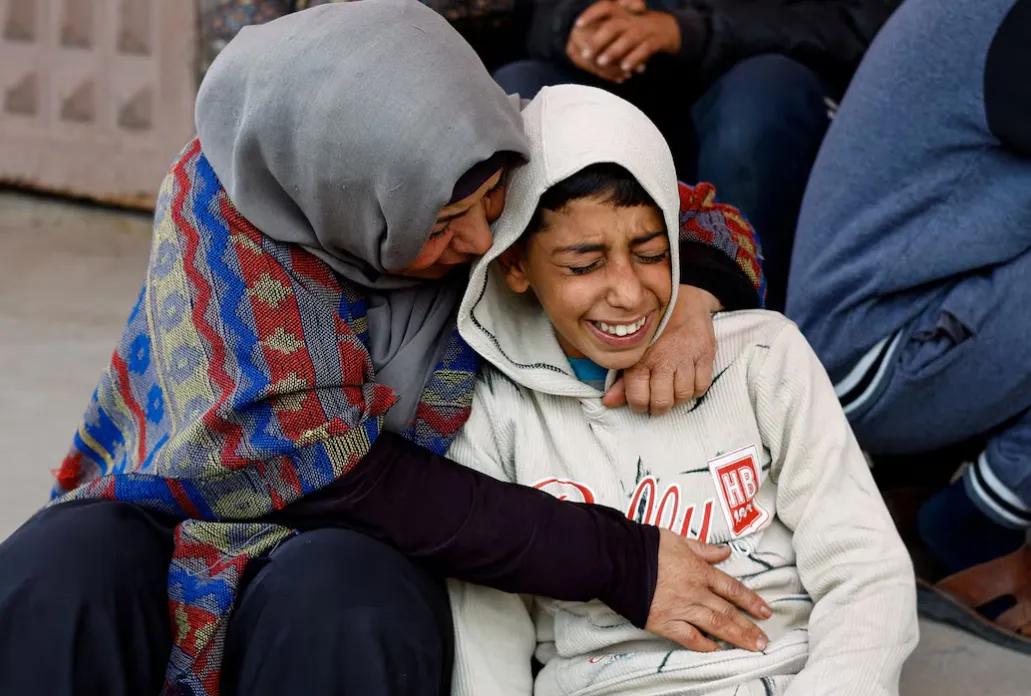
On Jan. 21, Israeli forces killed at least 11 Palestinians in Gaza, including three journalists and two 13‑year‑old boys, hospital officials said.
“Israeli strikes and gunfire on Wednesday killed at least 11 Palestinians in Gaza, including two 13-year-old boys, three journalists and a woman, hospitals and officials said — one of the deadliest days since the October ceasefire between Hamas and Israel.”
Multiple outlets described it as one of the deadliest days since the October ceasefire.

Reports say the deaths occurred across central and southern Gaza in separate strikes, shelling and shootings that day.
Several mainstream and regional outlets emphasized the toll on civilians and journalists while noting the Israeli military’s account that it struck people it identified as a threat.
Journalists killed in Gaza
Three Palestinian journalists were killed when a vehicle they were in was struck while they were filming near a newly established displacement camp in central Gaza. Colleagues and multiple media outlets said the team was working with an Egyptian relief committee. Video released by colleagues showed the charred wreckage of the vehicle.
News reports identified the dead as Mohammed Salah Qashta, Abdul Raouf Shaat, an AFP contributor, and Anas Ghneim, with some outlets using variations of those names. Reporters and outlets called for investigations into the strike.

Reported civilian casualties
An Israeli drone strike east of the Bureij refugee camp killed a 13-year-old boy, his father, and a 22-year-old man. A 13-year-old was shot by troops while gathering firewood in Bani Suheila. Three brothers were killed by tank shelling near Bureij.
“One 13-year-old was killed by an Israeli drone strike in the eastern Bureij refugee camp alongside his father and a 22-year-old man; another 13-year-old was shot dead by troops in Bani Suheila.”
A woman was shot in Khan Younis's Muwasi area. Hospital officials and witnesses cited by multiple outlets reported these incidents.
Gaza ceasefire and aftermath
The killings have occurred against the fragile backdrop of the U.S.-brokered October ceasefire and ongoing diplomacy. Gaza’s Hamas-run health ministry says more than 470 Palestinians have been killed by Israeli fire since the ceasefire. The U.S. is pressing for a second phase of the truce.
International journalists remain largely barred from Gaza, leaving much of the documentation to local reporters. Regional and international reporting highlighted humanitarian shortages, restrictions on movement and accusations of repeated ceasefire breaches.

Media coverage by source type
Coverage varies by source type: Western mainstream outlets (BBC, The Guardian, NPR, Sky News) combine reporting of hospital casualty lists, footage of the wreckage and Israeli military statements while calling for investigation. West Asian and local Palestine-focused outlets (Press TV, imemc, The New Arab, Middle East Eye) emphasize civilian suffering, alleged ceasefire breaches and the danger to journalists. Israeli outlets (jpost) present the strike as an operation against suspected drone operators.
“A separate strike hit a vehicle marked with the Egyptian Relief Committee logo while it was filming displacement camps, killing three photojournalists.”
Notably, among the provided sources none explicitly used the word 'genocide' in these specific snippets. They report casualty totals, alleged violations and calls for investigations, producing serious but not uniform legal characterizations across outlets. Where accounts conflict or lack detail, the sources themselves note the need for further investigation.