Gaza Genocide20 November, 20252 min read
Israel Kills at Least 33 Palestinians in Airstrikes on Gaza City and Khan Younis
Israeli airstrikes killed at least 33 Palestinians, dozens more wounded. Airstrikes hit Gaza City and Khan Younis, striking tents housing displaced people.

10 outlets told this the same way.
Outlets did split on Israel Marks Oct. 7 Anniversary With Strikes on Gaza, Netanyahu Faces Election After Nova Tribute →
Airstrikes and civilian casualties
Israeli forces carried out a series of airstrikes across Gaza City and Khan Younis on Wednesday night and into Thursday, killing at least 33 Palestinians and wounding dozens, according to Gaza health authorities and multiple hospital reports.
“Israeli forces carried out a series of airstrikes Wednesday across the Gaza Strip — including Gaza City and Khan Younis — and pushed ground forces into parts of eastern Gaza City, the Gaza Government Media Office said. The Gaza Health Ministry reported Thursday that 33 Palestinians were killed in the previous 24 hours...”
Hospital officials reported 17 bodies from strikes on tents sheltering displaced people in Khan Younis and 16 bodies from strikes in Gaza City, many of them women and children.

Gaza authorities say more than 300 people have died since the U.S.-brokered ceasefire began on Oct. 10.
Journalists and eyewitnesses described strikes hitting civilians sheltering in displacement centers and families who had returned home, with some reports naming individual victims and describing entire families erased from civil registries after strikes.
Attacks on displaced people
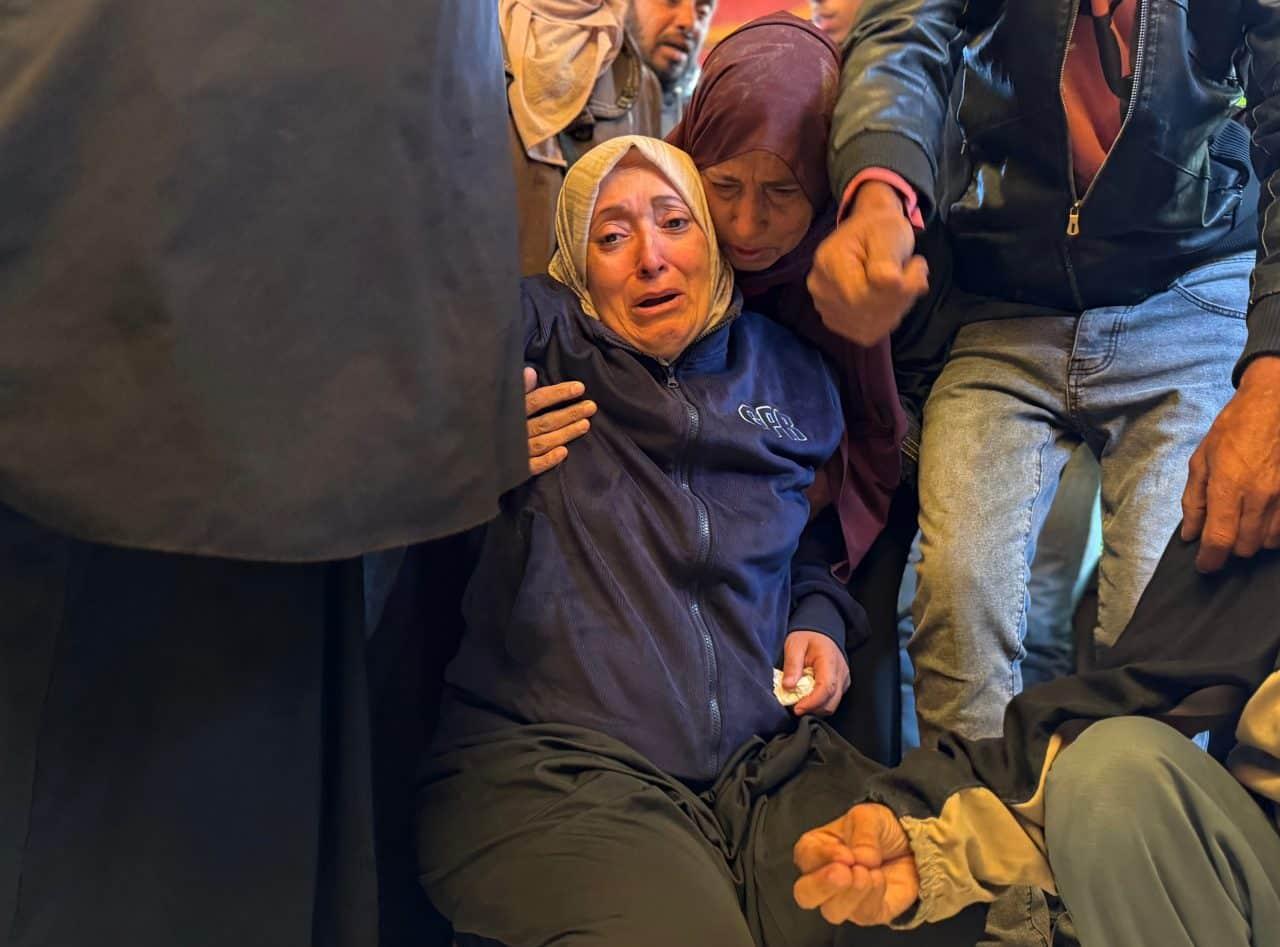
Multiple hospitals reported that four strikes on tents sheltering displaced people in Khan Younis sent 17 bodies to Nasser (Nasr) Hospital. Two strikes in Gaza City sent 16 bodies to Al-Shifa, including children and women. Witnesses and hospital staff described scenes of mourning and crowds at hospitals.
Gaza's Health Ministry said the injured numbered in the dozens. Local reports named victims and described entire families killed when shelters and homes were struck. Journalists and humanitarian workers said strikes hit displacement centers and people returning to homes, underscoring that many of those killed were civilians and displaced persons.
Gaza ceasefire tensions
The strikes further strained the fragile U.S.-backed ceasefire, which divides Gaza by a 'yellow line' between an Israeli-controlled border zone and a humanitarian area.
“A fragile, U.S.-backed ceasefire in Gaza is under strain as key issues remain unresolved: how Hamas would disarm, who would staff any new peacekeeping force...”
Gaza authorities and Hamas accused Israel of shifting the ceasefire line westward by roughly 300 metres and of trapping families when tanks pushed past agreed markers, while Israel said the attacks responded to fire at its soldiers.
Reports vary on the number of ceasefire breaches and the tally of dead since Oct. 10, and mediators face pressure as crossings remain constrained and aid delivery is still contested.
Casualties and humanitarian impact
The strikes came against the backdrop of a wider, brutal campaign that began after Hamas's Oct. 7 attack on Israel, which killed about 1,200 people and saw many abducted.
Gaza authorities say subsequent Israeli operations have killed roughly 69,000–69,500 Palestinians.

Media outlets vary slightly in totals but consistently place the Gaza death toll in the tens of thousands.
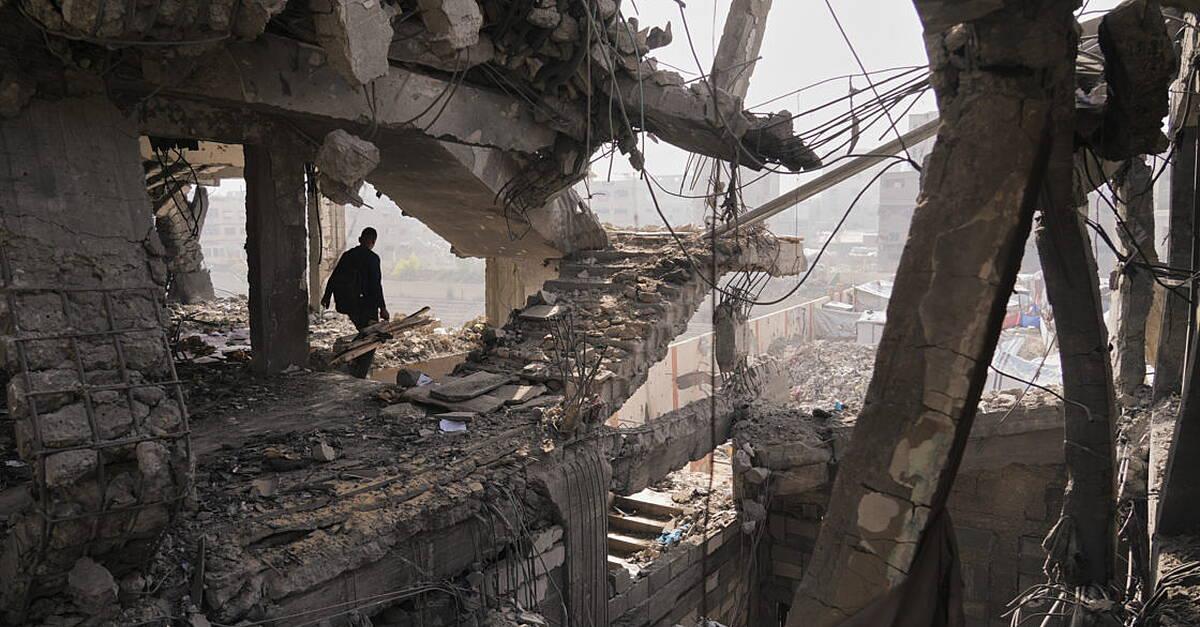
They describe severe humanitarian devastation — collapsed cities, closed crossings and shortages of basic supplies — exacerbating the urgency around ceasefire compliance and aid access.
International Reactions and Framing
International responses and political implications varied across reports. Hamas called the strikes a 'shocking massacre'. Qatar condemned the escalation and urged mediators to uphold the ceasefire.
“Qatar condemned the attacks as a dangerous escalation and urged international and regional efforts to uphold the ceasefire.”
Planned diplomatic contacts, including a reported meeting between a U.S. envoy and a Hamas leader, were disrupted amid the escalation. Mainstream outlets focused on diplomatic hurdles such as disarmament, peacekeeping and aid access. Alternative outlets and Gaza-linked media presented the strikes as part of repeated Israeli violations and emphasized the human cost and potential for further displacement.