
Israel kills at least eight in double-tap strike on Beirut beachfront where displaced families shelter
Key Takeaways
- Israeli strike hit Beirut's Ramlet al-Baida beachfront area
- At least eight people were killed by the beachfront strike
- Hezbollah and Iran-backed forces launched attacks on Israel amid escalating cross-border strikes
Strike kills displaced civilians
At least eight people were killed when an Israeli strike hit a Beirut beachfront area used by displaced families, according to multiple reports.
“Israel’s latest daily large-scale attacks on Lebanon have killed more than a dozen people in Beirut and the south, as Iran and Hezbollah launched coordinated waves of attacks on Israel, with renewed conflict on this volatile front boiling over as part of the wider war launched by the United States and Israel on Iran”
Journalists on the ground and wire services described a scene of destroyed makeshift shelters and civilian casualties, noting that the strike struck a coastal area where people displaced from other parts of Lebanon and Gaza had been sheltering.

Local authorities and hospital sources gave preliminary tolls and described rescuers pulling victims from rubble; several accounts emphasised the strike’s impact on already vulnerable displaced households.
Double-tap tactic alleged
Multiple sources characterized the strike as a ‘double-tap’ attack, in which an initial strike is followed by another targeting responders and survivors.
Humanitarian groups criticised this tactic for its risk to civilians and rescue workers.

Some outlets quoted survivors and medics who said a secondary blast struck as people gathered to assist the wounded, and commentators called the tactic particularly dangerous in densely populated or makeshift shelter zones.
Displaced families targeted
Victims were described in many reports as displaced families, underscoring the broader humanitarian crisis that has uprooted civilians across the region.
“At least eight people were killed early Thursday when an Israeli airstrike hit the seafront area of Beirut, Lebanese authorities said, as the Iran-backed armed group Hezbollah fired additional missiles toward Israel”
Coverage highlighted that those killed and injured were not combatants but people seeking safety after earlier waves of violence.
Outlets detailed the precarious living conditions on the beachfront and the lack of adequate shelter or protection, linking the attack to the wider pattern of civilian displacement and strain on Lebanon’s services amid cross-border hostilities.
International reaction and framing
The strike drew immediate international concern and condemnation in some quarters, with calls for investigations from rights organisations and appeals for protection of civilians.
Governments and international bodies were reported as urging restraint and warning that attacks on civilian areas may violate international humanitarian law.
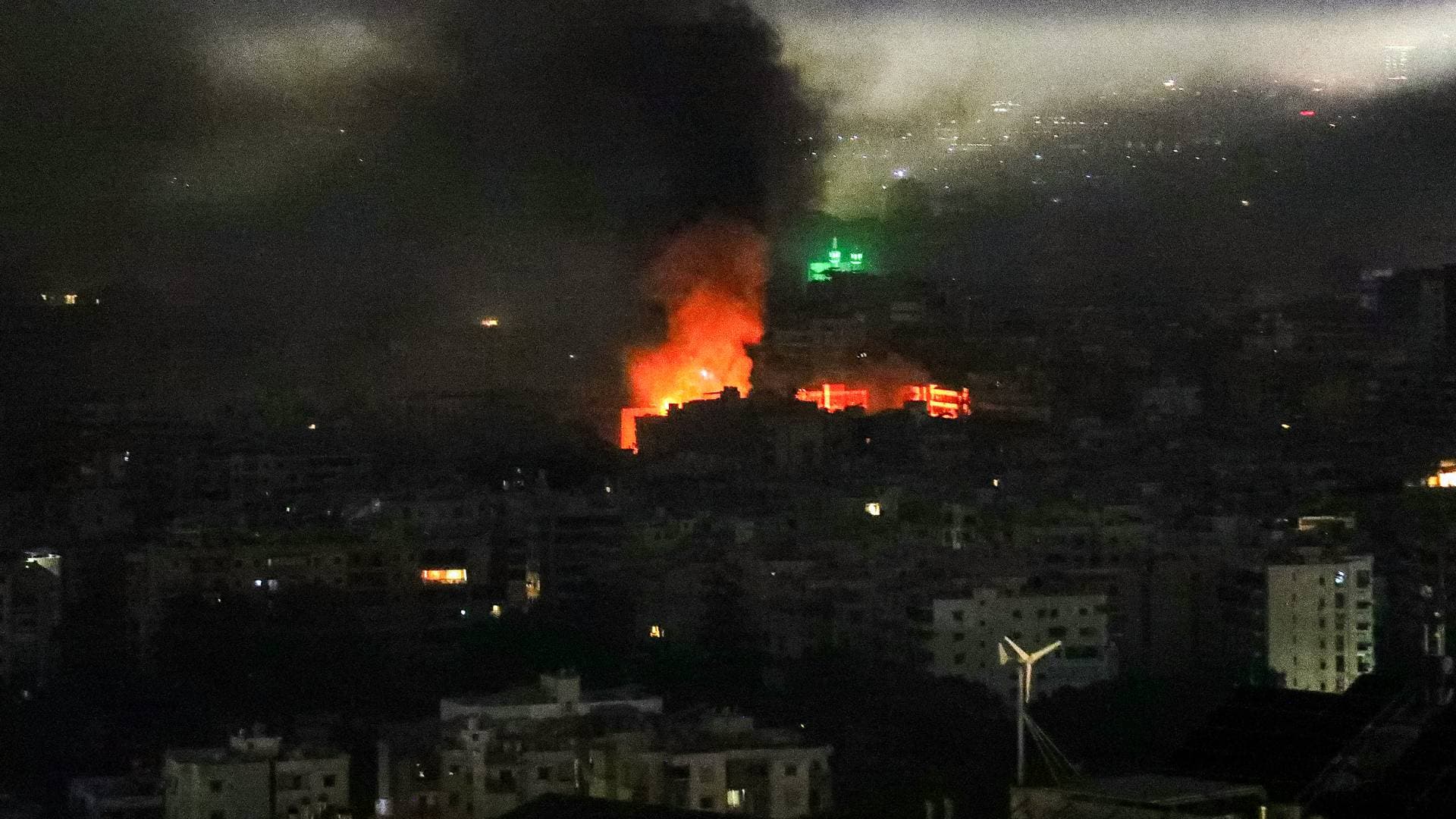
Some commentators placed the event within a cycle of escalating cross-border exchanges between Israel and Lebanon, and media coverage showed variance in framing.
Wider conflict context
The attack was placed by several outlets in the wider context of the Israel-Lebanon front and the ongoing regional crisis.
“At least eight people were killed and 21 injured by Israeli strikes on Beirut's beachfront area of Ramlet Al Baida, where displaced families were sheltering in flimsy tents”
Coverage referenced Lebanon’s fragile infrastructure and the role of armed groups and state forces in the cross-border confrontations, but sources differed on responsibility and legal characterisations.
Journalistic accounts called attention to the acute humanitarian needs that follow such incidents, including medical care, shelter and accountability.
More on Lebanon

Hezbollah Fires 200 Rockets at Israel From Lebanon
17 sources compared
Israel Pounds Tehran With Airstrikes
12 sources compared

Israel Bombs Central Beirut, Targeting Hezbollah Infrastructure
14 sources compared

Unidentified Attacker Plants Explosive at U.S. Embassy Entrance in Oslo; Oslo Police Investigate Possible Terrorism
12 sources compared