Gaza Genocide31 January, 20262 min read
Israel Kills Dozens in Gaza Airstrikes During Ceasefire, Committing Genocide
This article is an automated aggregation of coverage from news outlets. Our editorials offer in-depth analysis curated by the NewsCord team.
Israeli airstrikes during the ceasefire killed roughly 28–32 Palestinians, including children. Strikes hit apartment buildings, displaced‑persons tents and a police station, killing civilians and police.

33 outlets told this the same way.
Outlets did split on Israel Marks Oct. 7 Anniversary With Strikes on Gaza, Netanyahu Faces Election After Nova Tribute →
BBC was read line by line by the Watchdog: 5.9. See the score →
Gaza ceasefire airstrikes
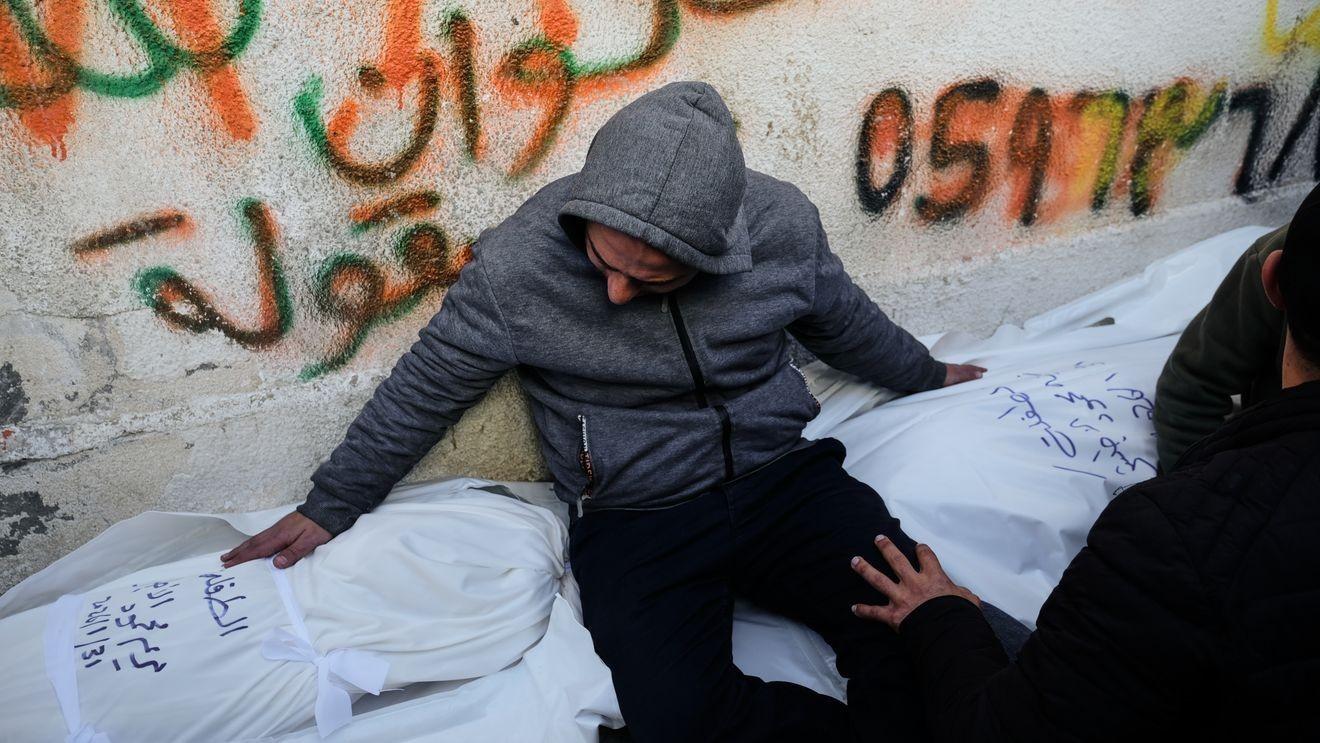
Israeli forces carried out heavy airstrikes across Gaza during a nominal ceasefire, killing dozens of Palestinians including many women and children and striking apartments, tent camps and a police station. Hospital and Gaza health authorities reported roughly 29 to 32 dead in the most lethal strikes since the October truce, with whole families among the victims and warnings that the toll could rise.
“Gaza health authorities said the strikes — among the deadliest since the ceasefire — killed at least 30 Palestinians that day, including several children, and that at least 520 Palestinians have been killed by Israeli fire since the truce began.”
Reports said one strike hit an apartment building in Gaza City. Other strikes hit a tent camp in Khan Younis/Al‑Mawasi that killed members of one family and a police station in Sheikh Radwan that killed officers and detainees.
Rafah strikes and truce dispute
Israeli authorities justified the strikes as responses to alleged ceasefire breaches, saying militants emerged from Rafah tunnels and approached troops. Israeli statements said they targeted commanders and weapons locations and reported killing or capturing some of those the army said emerged.
Western and local outlets repeated Israel’s stated rationale; for example, The Guardian reported that Israel said the strikes followed an incident in Rafah in which eight armed men emerged from a tunnel. Gaza officials and Hamas denied any violations and condemned the raids as attacks on civilians that jeopardize the truce.
Civilian casualties and hospitals
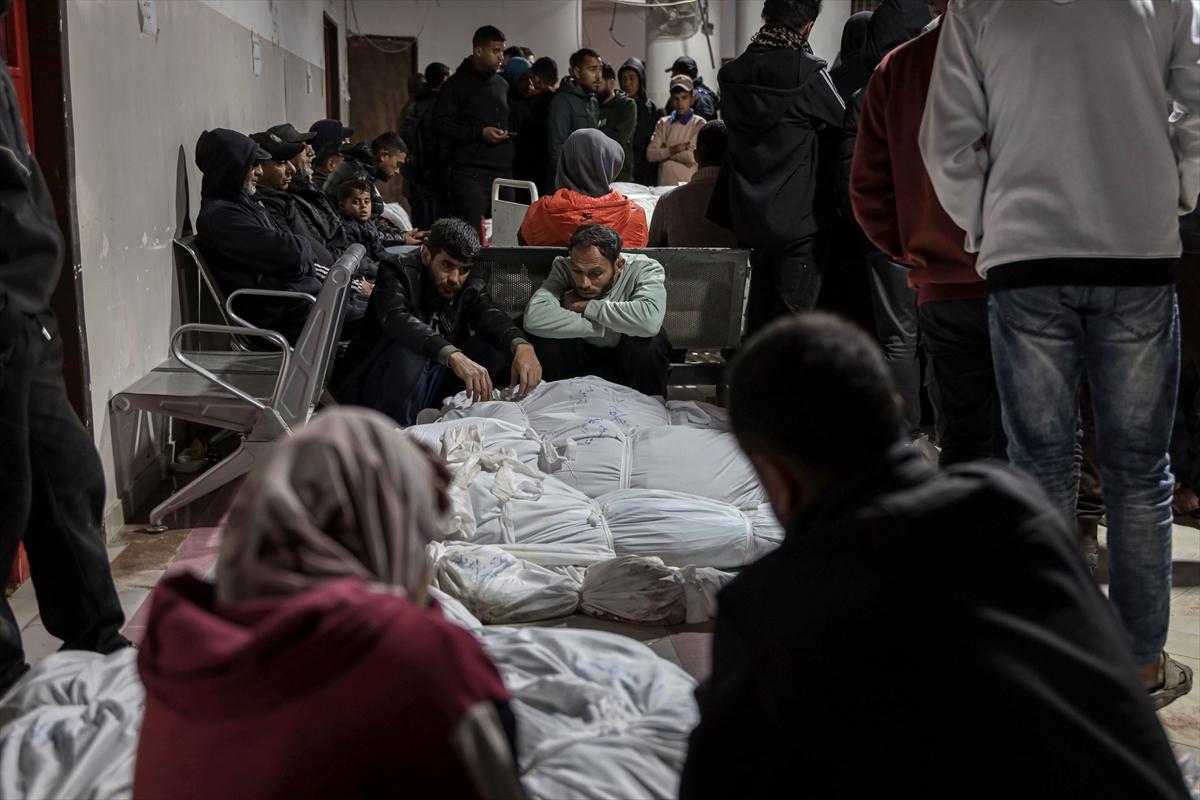
The human toll was stark: hospitals reported whole families killed when shelters and tents were struck, and medical facilities treated numerous wounded amid shortages. Reports cited images and hospital statements of bodies and blood in the streets.
“Strikes hit an apartment building in Gaza City, a tent camp in Khan Younis where a fire killed seven members of one family, and a Gaza City police station that Shifa Hospital said killed at least 14 people, including policewomen, civilians and inmates.”
Shifa and other hospitals recorded multiple fatalities from strikes on populated districts and at a police station. Some hospitals reported up to 14 killed at a police site, and a tent fire killed seven members of one family.
Media use of genocide
Multiple outlets and investigators have used the term 'genocide' or described the offensive in the strongest terms. Al Jazeera explicitly characterizes Israel's military offensive as 'genocidal' and The Guardian reports that international investigators have accused Israel of committing genocide.
West Asian outlets also place the casualties in the context of very large death tolls since October 2023, with Al Jazeera and related sites citing totals above 71,000. Those descriptions contrast with other mainstream outlets that report deaths and humanitarian harm without foregrounding the word 'genocide'.

Strikes threaten Gaza truce
The strikes risk unraveling the fragile second phase of the U.S.-brokered truce. Diplomats and mediators warned the attacks jeopardize reopening Rafah for limited crossings, and regional actors such as Egypt and Qatar condemned Israel's strikes as violations or threats to the truce. Analysts cited by multiple outlets said the strikes leave unresolved issues — reconstruction, demilitarization and governance — and flagged political factors such as U.S. arms approvals and Gaza redevelopment proposals that critics say could enable further military action.
“The offensive — one of the deadliest since the truce began — jeopardizes the next phases of the agreement, including reopening Rafah and withdrawing most Israeli forces, and follows the discovery of the last hostage found dead.”