Gaza Genocide04 December, 20252 min read
Israel Kills Five, Including Two Children, in Khan Younis Missile Strike
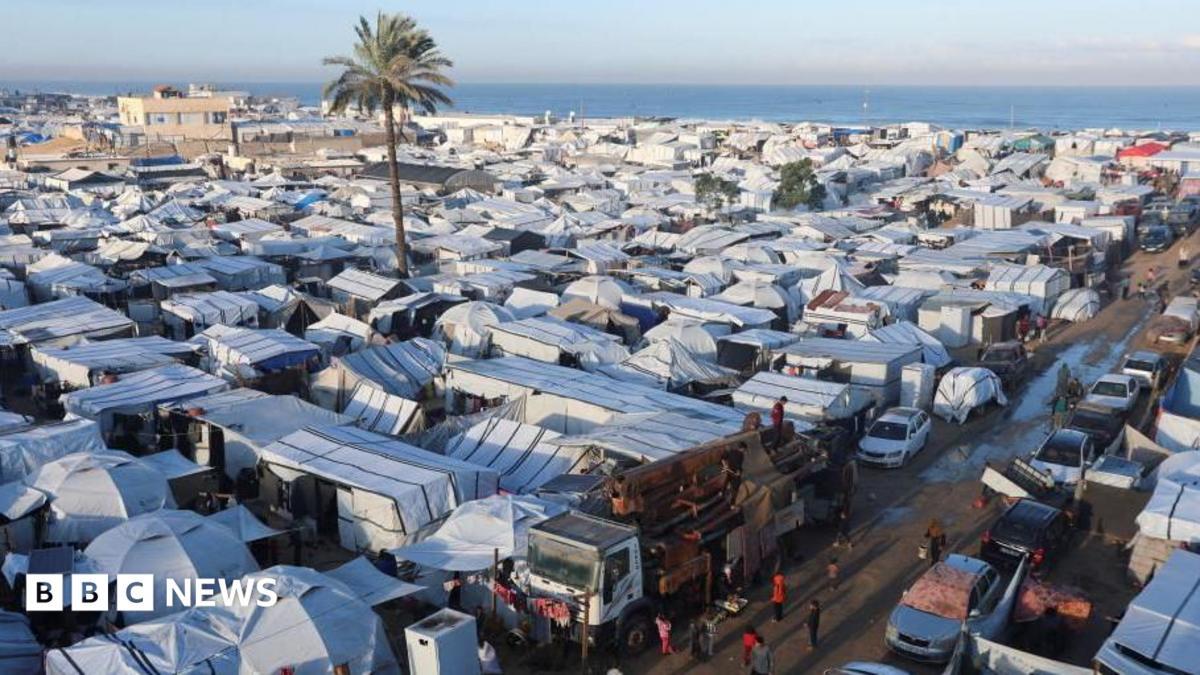
Israeli air/drone strikes hit displaced-persons tents in al-Mawasi west of Khan Younis Five Palestinians killed, including two children, several others wounded

11 outlets told this the same way.
Outlets did split on Israel Marks Oct. 7 Anniversary With Strikes on Gaza, Netanyahu Faces Election After Nova Tribute →
Al-Mawasi camp strike
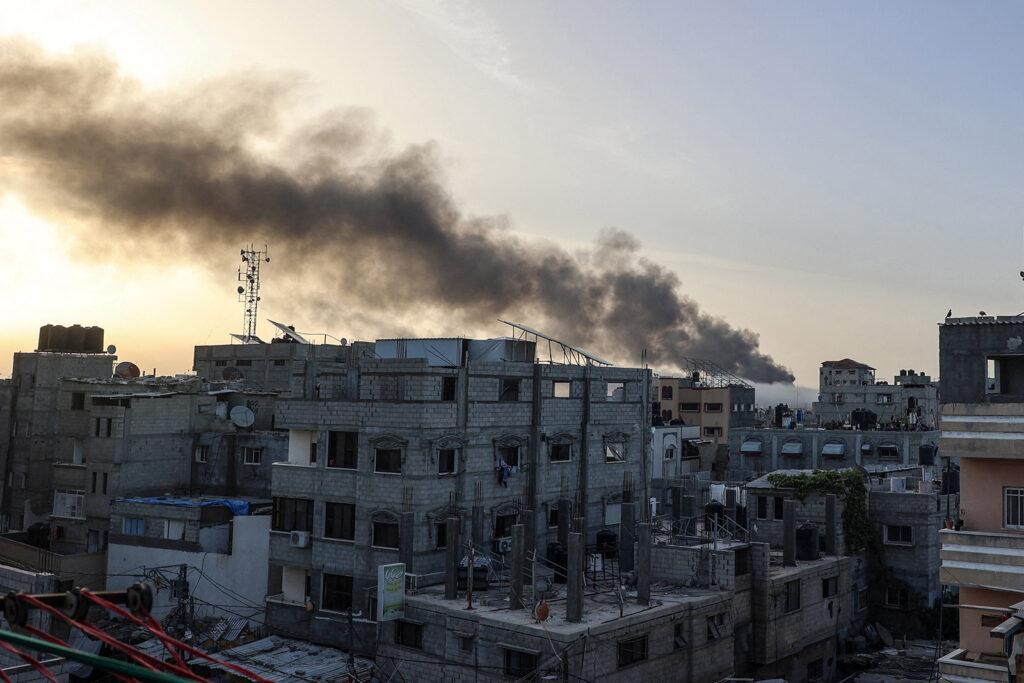
Israeli forces struck a makeshift displacement camp in the al-Mawasi area west of Khan Younis on Wednesday, killing five Palestinians, including two children aged eight and ten, and wounding dozens, according to multiple Gaza medical sources and hospital reports. Gaza’s Kuwait Specialty Hospital and civil defence units reported bodies recovered from the al-Najaat/al-Mawasi tent cluster and described severe burns and chaos as ambulances and rescue teams worked under threat of further strikes. Israeli statements framed the action as a targeted hit on a Hamas operative after an incident in Rafah, while Gaza authorities and witnesses described the victims as civilians sheltering in tents.
“An Israeli strike in al-Mawasi, west of Khan Younis, killed five people including two children (ages 8 and 10) and wounded about 32 others, Gaza’s civil defence and a hospital told AFP; the agency said the strike hit near the Kuwaiti field hospital and struck a shelter camp.”
Disputed Rafah strike accounts
Israel’s military said it struck a "Hamas terrorist" after an exchange in Rafah that wounded several Israeli soldiers. Israeli officials and the prime minister’s office accused Hamas of breaching the US-brokered, US-brokered ceasefire. Palestinian medics, Gaza officials and witnesses contest this account.
They said two unarmed civilians were shot in Zeitoun. They also said missiles hit tents in al-Mawasi. Gaza civil defence described fires that engulfed multiple tents and rescue teams operating under the threat of further strikes.
Casualties and rescue response
Medical descriptions and eyewitness accounts stress the human impact. Recovered bodies showed severe burns, tents were set ablaze, and rescue efforts unfolded under continued threat from drones and further strikes.
“Gaza civil defence spokesman Mahmoud Basal described the strike as triggering fires that engulfed multiple tents; witnesses and footage cited by Al Jazeera described ambulances and rescue teams responding under threat of further strikes.”
Gaza civil defence spokesman Mahmoud Basal and hospital staff described fires engulfing multiple tents and ambulances responding amid danger. Sources also reported casualties treated at nearby hospitals and panic among families near the Kuwait field hospital.
Ceasefire tensions and developments
The strike occurred amid a fragile US-brokered ceasefire and growing diplomatic friction. Israel accused Hamas of breaching the ceasefire. Palestinians and political groups urged mediators to enforce it and called the strikes an escalation.
The incident also came as Hamas and Islamic Jihad transferred the body of one captive to Israel via the Red Cross. International plans for a stabilisation force for Gaza faced obstacles reportedly tied to Israeli objections to some participants.
Media framing of strikes
Coverage across source types diverges in tone, sourcing, and emphasis. Western mainstream outlets typically present Israeli official claims alongside hospital casualty figures. West Asian outlets foreground eyewitness testimony and civil defence descriptions of strikes on displacement camps.
“Hamas condemned the strikes as barbaric, indiscriminate and a breach of the ceasefire said to have begun on 10 October.”
Alternative and activist outlets stress graphic human-impact details and political calls to enforce a ceasefire. Importantly, none of the provided sources in these snippets uses the term "genocide" to describe the strikes.
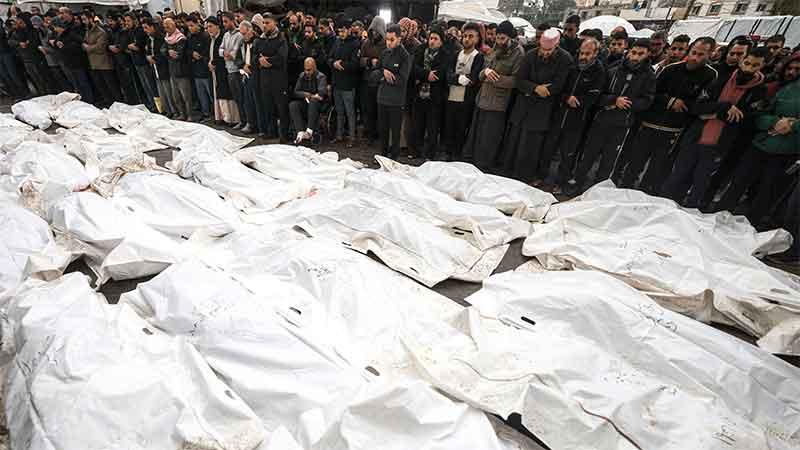
Some reports describe the attacks as war crimes or systematic assaults on civilians. Characterizations differ and attribution of evidence varies across reports.