
Israel Kills Hezbollah Commander Malek Ballout in Beirut’s Haret Hreik District
Key Takeaways
- Israeli airstrike killed Hezbollah commander in Beirut's southern suburbs.
- Israeli strike killed Hezbollah's al-Radwan Force commander.
- Israel says it targeted a high-ranking Hezbollah member.
Beirut strike and toll
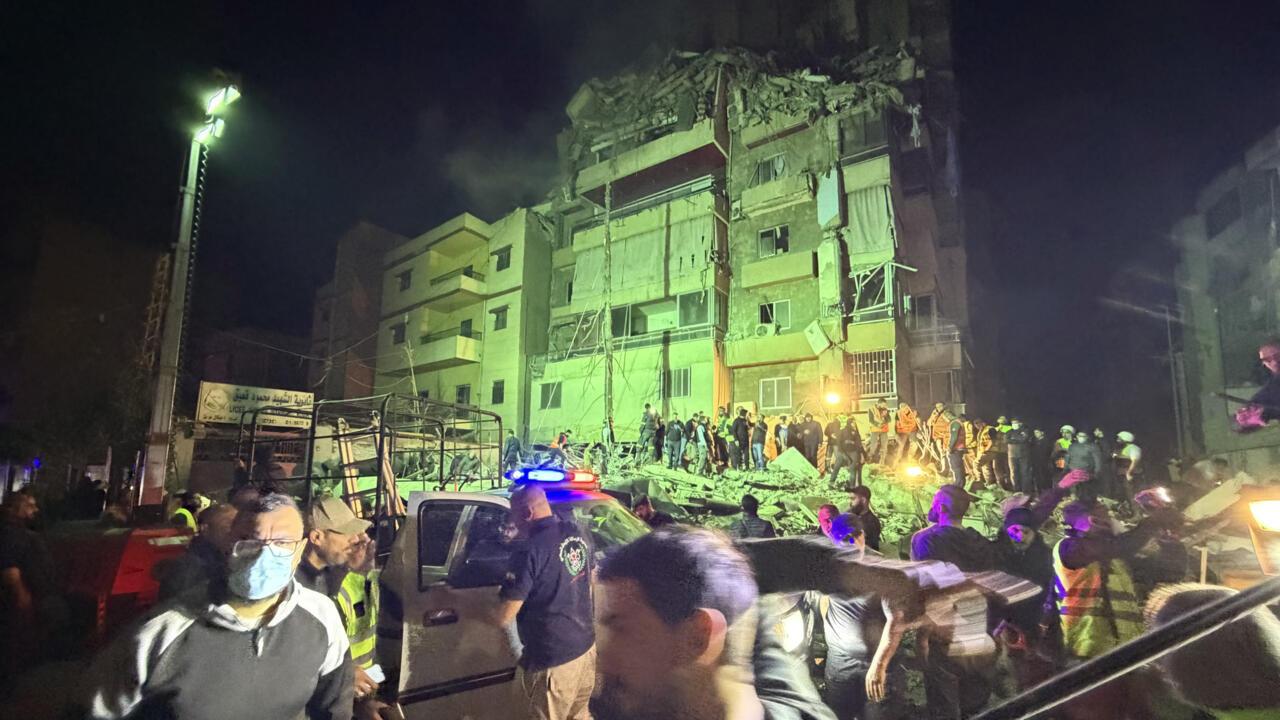
Israel carried out a strike on Beirut’s southern suburbs on Wednesday evening, killing Malek Ballout, commander of operations of the al-Radwan force, according to a source close to the pro-Iranian faction to AFP.
“France said on Wednesday it was 'deeply concerned' by the 'unprecedented deterioration' in the health of Iranian activist Narges Mohammadi, the 2023 Nobel Peace Prize laureate who has been imprisoned in Iran since December”
L’Orient-Le Jour reported that the Israeli prime minister said the army struck “the commander of the al-Radwan force” with the aim of neutralizing him, and it placed the strike in the Haret Hreik district.
France 24 said the Israeli Air Force targeted the Ghobeiri neighborhood, and it added that at least 11 people were killed on Wednesday in strikes on the south and east of Lebanon, according to Lebanon’s Health Ministry.
L’Orient-Le Jour also cited Lebanon’s Health Ministry figures that Israeli strikes have left at least 2,702 dead and 8,311 wounded since March 2, the date the war between Israel and Hezbollah resumed after more than a year of ceasefire.
In parallel, Ici Beyrouth said the Israeli army announced it had eliminated more than ten Hezbollah field commanders in recent weeks and that more than 1,300 Hezbollah fighters had been killed in Lebanon since the ceasefire took effect.
Netanyahu’s message
Noovo Info said Israeli Prime Minister Benjamin Netanyahu claimed that “Last night, we eliminated in the heart of Beirut the commander of Hezbollah's al-Radwan Force,” despite the ceasefire supposed to be in force since April 17.
In the same account, Netanyahu told his enemies that “no terrorist has immunity,” and it said the Israeli army canceled public events in northern Israel near the Lebanese border for fear of possible retaliation.
Ici Beyrouth said the Israeli army’s statement indicated that more than 1,300 Hezbollah fighters had been killed in Lebanon since the ceasefire took effect, and it named Nasr unit commander Hajj Salameh among those cited.
It also said the Israeli army eliminated successors Mehdi Bazi and Achraf Salloum less than two months after his death, and it described the killings of Nasser Choukeir and his replacement Ahmad Seblini within less than twelve hours of each other.
L’Orient-Le Jour added that the strike came as U.S. President Donald Trump said he saw “good chances” of a peace deal with Iran, while the ceasefire took effect on April 17 but Israel continued strikes in the south and east of the country.
Broader escalation risks
I24NEWS said Captain Maoz Israel Recanati, 24, from Itamar, a platoon commander in the Golani Brigade’s 12th Battalion, was killed by a Hezbollah explosive drone in southern Lebanon, and it said the IDF announced his death on Saturday night.
“South Lebanon: An Officer of the Golani Brigade Killed by a Hezbollah Explosive Drone”
It reported that Recanati was the seventh Israeli soldier killed in southern Lebanon since the ceasefire went into effect, and the twentieth since the escalation of hostilities in the context of the war with Iran.
CNews said Israel targeted the southern suburb of Beirut on Wednesday evening for the first time since the ceasefire took effect on April 17, and it quoted the joint statement that the army struck “in order to neutralize him.”
CNews also said Netanyahu told a Security Cabinet meeting that “We are (...) ready for all scenarios,” and it linked the statement to Trump speaking of “good chances” for a peace agreement while threatening to resume bombing.
Meanwhile, L’Orient-Le Jour said several countries, including the United States, had pressured Tel Aviv to ensure that the Lebanese capital would not be targeted anymore, and it framed the Wednesday raid as the first since “Black Wednesday,” April 8, when the Israeli air force carried out massive and deadly bombardments across Lebanon.
More on Lebanon
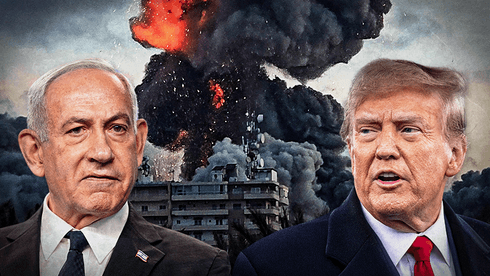
Trump Says U.S. And Iran Deal To End War Threatened By Israeli Strike On Beirut
11 sources compared

Israel Kills At Least Three in Beirut Dahiyeh Strikes as Trump Seeks Iran Peace Deal
23 sources compared
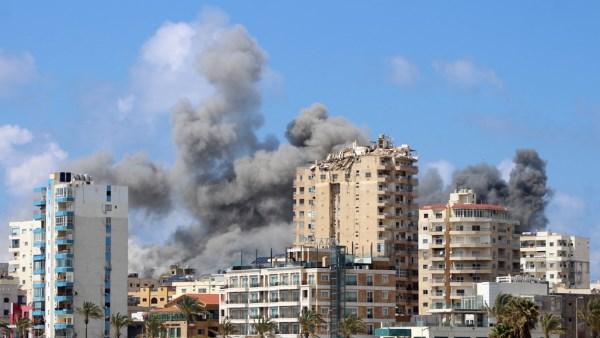
Israel Kills Three in Beirut’s Dahiyeh After Hezbollah Fires Toward Northern Israel
23 sources compared
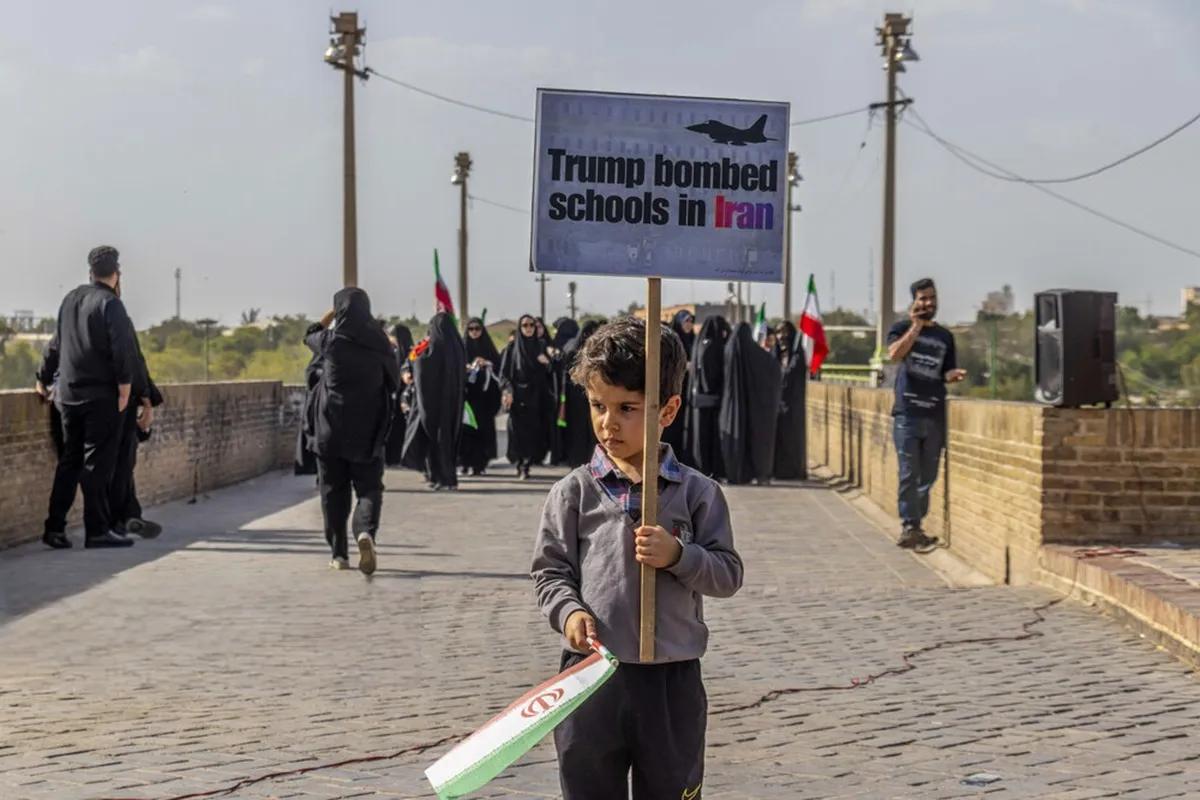
Israeli Military Kills Hezbollah Commander Ali Musa Daqduq In Southern Lebanon Strike
30 sources compared