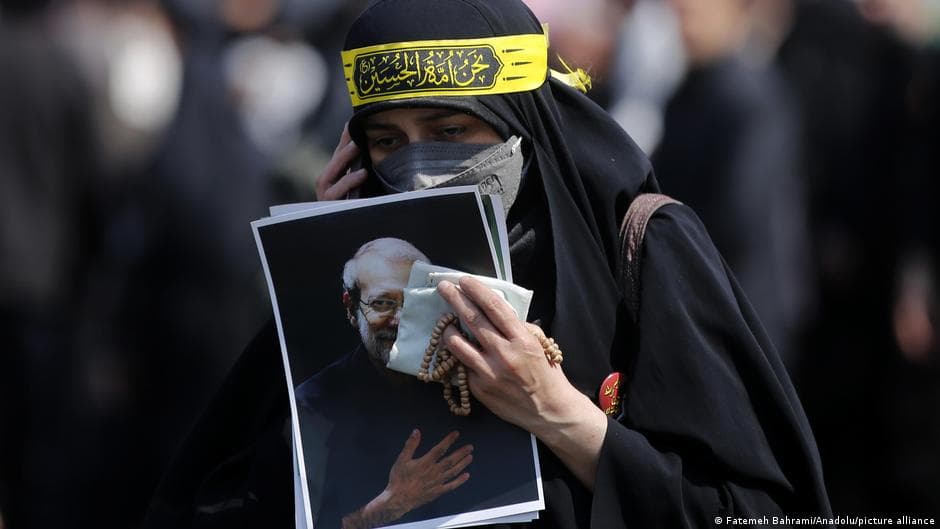
Israel Kills Iran Intelligence Minister Esmail Khatib
Key Takeaways
- Israel killed Iran's intelligence minister Esmail Khatib.
- Israel said its military was authorized to kill senior Iranian figures.
- Attacks on regional energy facilities intensified amid the broader conflict.
Assassination Confirmed
Israeli forces assassinated Iran's Intelligence Minister Esmail Khatib in an overnight strike, continuing a campaign of targeted killings against senior Iranian officials.
“military members have been killed”
The assassination occurred just one day after Israel killed influential security chief Ali Larijani, marking a significant escalation in the ongoing regional conflict.

Israeli Defense Minister Israel Katz publicly confirmed Khatib's elimination in a statement, while Israeli military spokesperson Effi Defrin emphasized that Israel would continue hunting down Iranian regime leadership.
Defrin stated 'we have continued to hunt down the regime's bosses' and 'the eliminations are not going to stop.'
Iranian state television confirmed the killing of Khatib, who had been sanctioned by the U.S. in 2022 for alleged cyber-related activities against American and allied interests.
Israel's Counter-Regime Strategy
Israel has implemented a systematic policy of 'counter-regime warfare' that authorizes the elimination of any senior Iranian official without requiring additional approval.
Prime Minister Benjamin Netanyahu and Defense Minister Katz have explicitly authorized the Israel Defense Forces to target any senior Iranian figure for whom 'the intelligence and operational circle has been closed.'

This authorization represents a departure from previous protocols and reflects Israel's strategy of dismantling Iran's politico-security architecture.
David Khalfa, co-founder of the Atlantic Middle East Forum, described this approach as 'a campaign of counter-regime warfare aimed at dismantling the regime's politico-security architecture to make it waver on its foundations.'
The policy extends beyond Iran's central leadership to include commanders of Iran-backed militant groups like Hezbollah, indicating a comprehensive approach to neutralizing perceived threats across the region.
Iran's Vowed Revenge
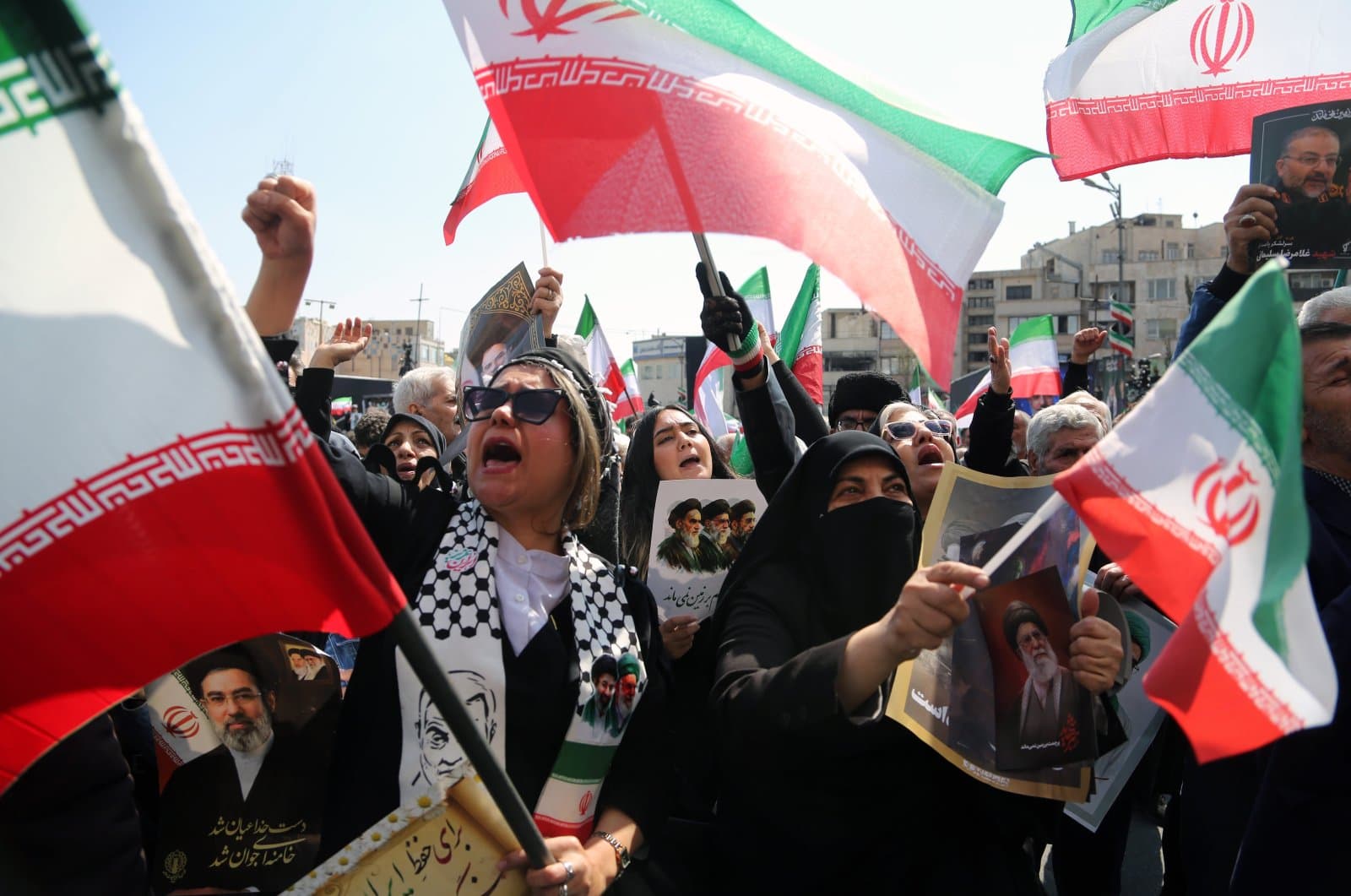
Iran responded with fury and vows of immediate revenge following the assassination of Intelligence Minister Khatib.
“Israel said Wednesday its forces had killed another top Iranian official, Intelligence Minister Esmail Khatib, and said its military was authorised to kill any senior figure of the Islamic Republic in its sights”
Iranian President Masoud Pezeshkian condemned the killing as 'an unfair assassination,' while Supreme Leader Mojtaba Khamenei vowed that 'all blood has its price that the criminal murderers of the martyrs must pay soon.'
The assassinations occur within the context of an intensifying regional conflict that began with US-Israeli attacks on February 28 that killed Iran's former Supreme Leader Ayatollah Ali Khamenei.
Iran's Revolutionary Guards, the ideological arm of the military, launched missiles at central Israel in retaliation for Larijani's death, warning of further attacks to come.
The Guards declared that 'the pure blood of this great martyr... will be a source of honour, power and national awakening against the front of global arrogance.'
Iran's response has included both military strikes and diplomatic condemnation, indicating a multi-faceted approach to countering Israeli actions.
Regional & Global Fallout
The assassinations have triggered significant regional and international reactions that extend beyond direct military confrontations.
The EU's top diplomat, Kaja Kallas, urged Iran to guarantee safe passage through the Strait of Hormuz and 'called on Iran to cease all attacks on critical infrastructure in the region.'
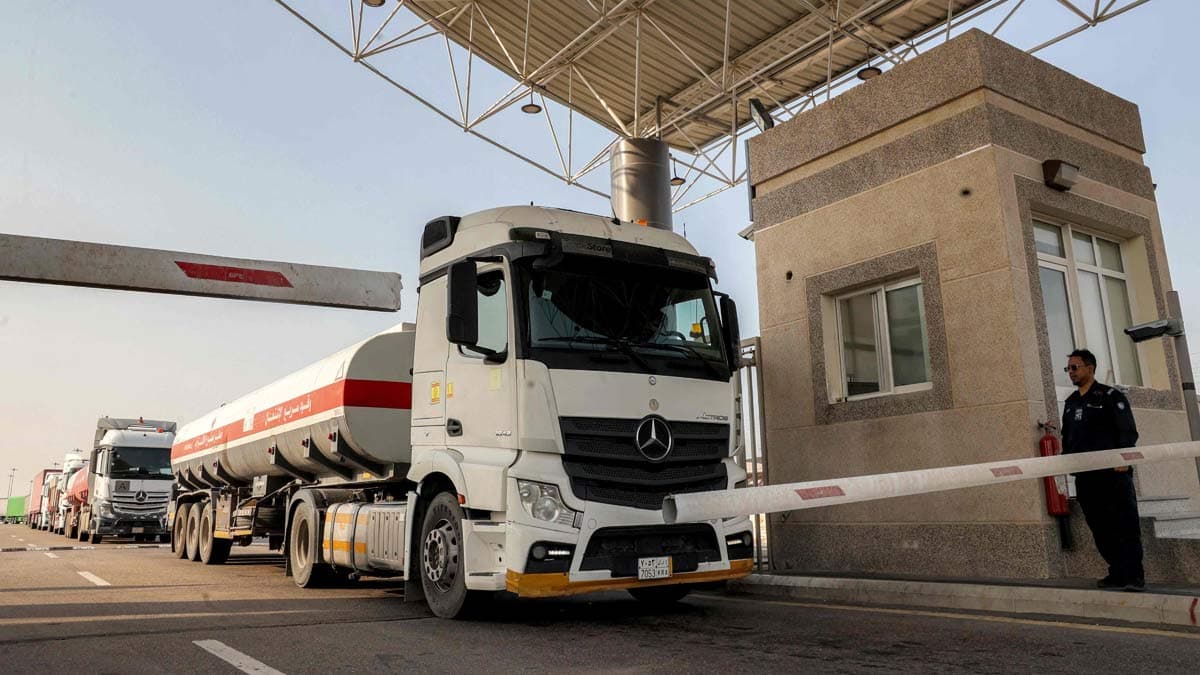
Qatar condemned attacks on its energy infrastructure as 'a direct threat to its national security' after its Ras Laffan gas facility was hit in missile attacks.
Qatar's foreign ministry described the assault as 'a dangerous escalation, a flagrant violation of its sovereignty, and a direct threat to its national security.'
German Chancellor Friedrich Merz expressed concern about the lack of consultation, stating 'we would have advised against taking this course of action' and criticizing 'no convincing plan' from Washington.
Meanwhile, Iran's targeting of Gulf energy infrastructure has disrupted global oil markets, with Brent crude futures surging to nearly $110 per barrel, creating economic ripple effects worldwide.
Escalation Risks
The targeted killings represent a dangerous escalation in the regional conflict with potentially catastrophic strategic implications.
“What you need to know - New Iranian Supreme Leader Mojtaba Khamenei vows revenge for Ali Larijani killing - Iran confirms Iranian Intelligence Minister Esmaeil Khatib has been 'eliminated' - Israel launches more strikes on Beirut, killing at least 12 people - The US says it used 'bunker-buster' bombs against Iranian missile sites along the strategic Strait of Hormuz - Iran launches missiles with multiple warheads at Israel in retaliation for the killing of security chief Ali Larijani - The Iranian missile attacks kill at least two people in central Israel Here is a roundup of the main developments from the US-Israel war with Iran on Wednesday, March 18: Qatar expels Iran's military and security attaches Qatar has ordered Iran's military and security attaches to leave the country within 24 hours, following a missile strike on its Ras Laffan gas hub (see entries below)”
Israel's policy of eliminating Iranian leadership comes amid reports that the Israeli military has authorized 'significant surprises' to come, suggesting further escalations may be planned.
The assassinations are part of a broader pattern of decapitation strikes that have included killing Hassan Nasrallah of Hezbollah in 2024 and numerous top Hamas figures since October 2023.
Despite these losses, Iran's powerful Revolutionary Guards and leadership have remained defiant, indicating the strategy may not achieve its intended effect of destabilizing the regime.
The conflict has already spilled beyond Iran's borders, with attacks affecting energy infrastructure across the Gulf region and even reaching the Caspian Sea, where Israeli media reports claim strikes against Iranian navy missile boats.
This expanding theater of operations increases the risk of unintended escalation and potential direct conflict between major powers.
More on Iran

Israel strikes Iran's Pars gas field as Tehran vows revenge
14 sources compared
Trump threatens to blow up South Pars gas field if Iran attacks Qatar again
10 sources compared
UAE Halts Habshan Gas Facility Operations After Debris From Intercepted Missiles
10 sources compared

Iran Threatens Gulf Energy Facilities After Israel Strikes South Pars Gas Field
11 sources compared