
Israel Kills Iran's Spy Chief
Key Takeaways
- Ali Larijani, Iran's top security official, was killed in an Israeli airstrike in Tehran.
- He was a longtime adviser to Ayatollah Khamenei and key architect of Iran's security policy.
- Analysts describe the killing as signaling a pivotal shift in Iran's power dynamics.
Assassination Campaign
Israel has launched a series of targeted assassinations against Iranian leadership, killing Intelligence Minister Esmail Khatib, security chief Ali Larijani, and Basij paramilitary commander Gholamreza Soleimani within a 24-hour period.
“"In my view, this issue is resolvable," Larijani told Oman state television early this year, referring to the talks with the US”
National Intelligence Director Tulsi Gabbard told Congress that the Iranian government remains 'intact but largely degraded' following these strikes.

Israeli Defense Minister Israel Katz declared that 'Israel's policy is clear and unequivocal: No one in Iran has immunity — everyone is a target.'
The assassinations represent a significant escalation in the conflict, with Iran's new supreme leader Ayatollah Mojtaba Khamenei responding to Larijani's death by stating that the assassination 'shows the extent of his importance and the hatred of the enemies of Islam towards him.'
Khamenei added that 'all blood has its price that the criminal murderers of the martyrs must pay soon.'
Iranian Response
Tehran has responded with renewed missile and drone attacks on Israel and U.S.-aligned countries across the Persian Gulf, creating significant disruption to global energy markets.
The fighting has halted oil and gas production throughout the region and stalled shipping through the Strait of Hormuz, which accounts for about one-fifth of the world's oil transport.

Iranian authorities have confirmed attacks including a drone strike that hit the US Embassy in Baghdad, with at least one drone crashing inside the embassy compound.
Another strike hit the Fujairah oil complex on the United Arab Emirates' east coast, causing a fire.
Explosions were also reported in Doha, with Qatar intercepting a missile attack.
Radio Free Europe/Radio Liberty reports that the Iranian response has been characterized by a tone that is 'no longer measured. It is firm, defiant, and driven by emotion,' reflecting the hardened position Tehran has adopted in the face of the assassinations.
US Involvement
The United States has played a significant role in the conflict alongside Israel, though questions are growing about Washington's strategy and long-term approach.
“Published by Global Banking & Finance Review® Posted on March 17, 2026 5 min readLast updated: March 18, 2026 Ali Larijani, Iran’s veteran security chief and powerful insider close to Ayatollah Khamenei, was killed in an Israeli airstrike in Tehran on the night of March 16–17, 2026, according to Israeli and Iranian confirmations, marking a pivotal shift in Iran’s power dynamics”
US President Donald Trump has claimed that the conflict has 'wiped out their [Iran's] military in every aspect' and stated that the United States will leave the war 'pretty much the very near future.'
However, the US has offered different explanations for joining Israel in strikes against Iran, creating uncertainty about its objectives.
This uncertainty has been compounded by the resignation of Joseph Kent, director of the US National Counterterrorism Center, who wrote in his resignation letter to President Trump that Iran 'posed no imminent threat to our nation.'
The resignation has added fuel to the debate over the legal and political grounds for the conflict and points to divisions within the US government regarding the appropriate response to Iran.
Economic Impact
The conflict has triggered severe economic and environmental consequences, particularly affecting global energy supply chains.
The price of several types of oil jumped around 5 percent again on March 17 over supply concerns, and the war has created a severe global oil shortage that has destabilized electronics, agriculture, pharmaceutical and energy supply chains.

The environmental impact of the conflict is also significant, as missiles and bombs contain heavy metals and other toxic pollutants that can linger for decades in air, soil and water.
Cleanup of these contaminants is both difficult and expensive, potentially creating long-term environmental hazards in the affected regions.
The economic disruption extends beyond energy markets, affecting multiple sectors that rely on stable oil supplies and global trade routes.
More on Iran

Israel strikes Iran's Pars gas field as Tehran vows revenge
14 sources compared
Trump threatens to blow up South Pars gas field if Iran attacks Qatar again
10 sources compared
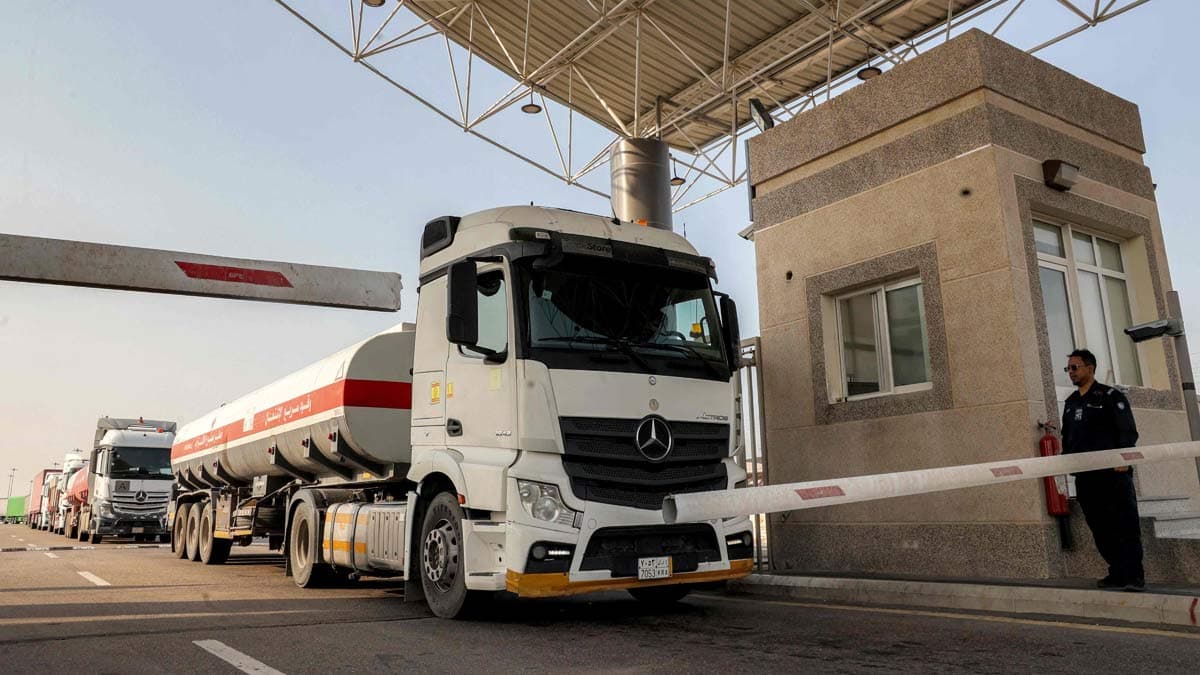
UAE Halts Habshan Gas Facility Operations After Debris From Intercepted Missiles
10 sources compared

Iran Threatens Gulf Energy Facilities After Israel Strikes South Pars Gas Field
11 sources compared