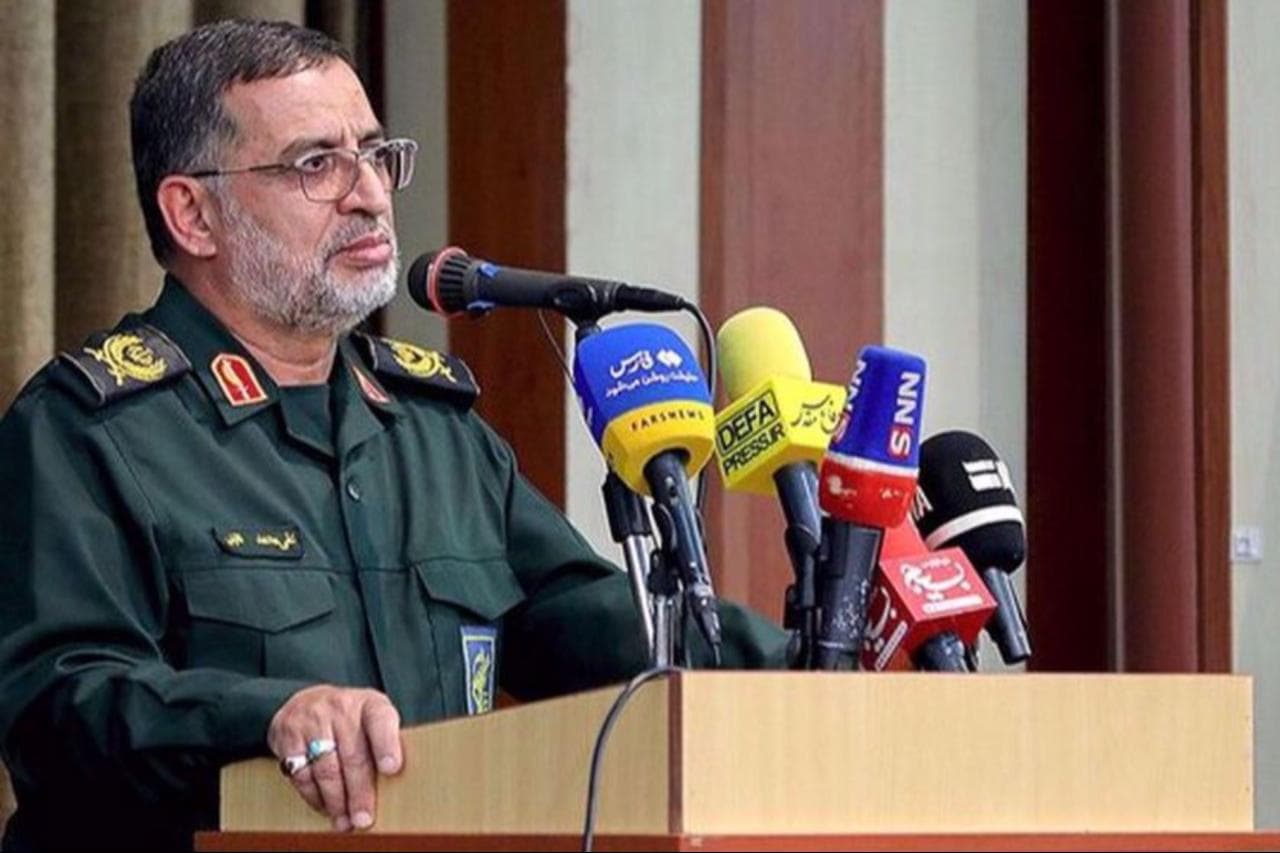
Israel kills IRGC spokesperson Ali Mohammad Naeini in Israeli strike
Key Takeaways
- IRGC spokesman Ali Mohammad Naini was killed in joint US-Israeli strikes.
- IRGC statements describe his death as martyrdom in a terrorist attack.
- Part of broader US-Israel campaign against Iran amid escalating tensions.
IRGC Spokesperson Profile
Ali Mohammad Naeini, the spokesperson for Iran's Islamic Revolutionary Guard Corps (IRGC), was killed in a joint U.S.-Israeli airstrike that Iranian authorities condemned as a 'criminal cowardly terrorist attack by the American-Zionist side at dawn.'
“Iran's Islamic Revolutionary Guard Corps spokesperson has been killed in overnight strikes carried out jointly by the United States and Israel, the IRGC said, the latest in a mounting toll of senior officials assassinated since the war began”
The 68-year-old second brigadier general had served as the IRGC's official spokesperson and deputy for public relations since his 2024 appointment by IRGC Commander-in-Chief Hossein Salami.

Naeini was born in 1957 in Kashan, Iran, and was recognized as one of the IRGC's top specialists in psychological operations, soft power, and cognitive warfare.
Before his role as spokesperson, he held influential positions including cultural deputy in both the IRGC and the Basij paramilitary forces.
He was also a professor of social sciences and faculty member at Imam Hossein University in Tehran, reflecting his dual role as both military commander and academic.
Assassination Details
The assassination of IRGC spokesman Ali Mohammad Naeini occurred just hours after he appeared on national television to defiantly insist that Iran retained full capacity to manufacture missiles, even under wartime conditions.
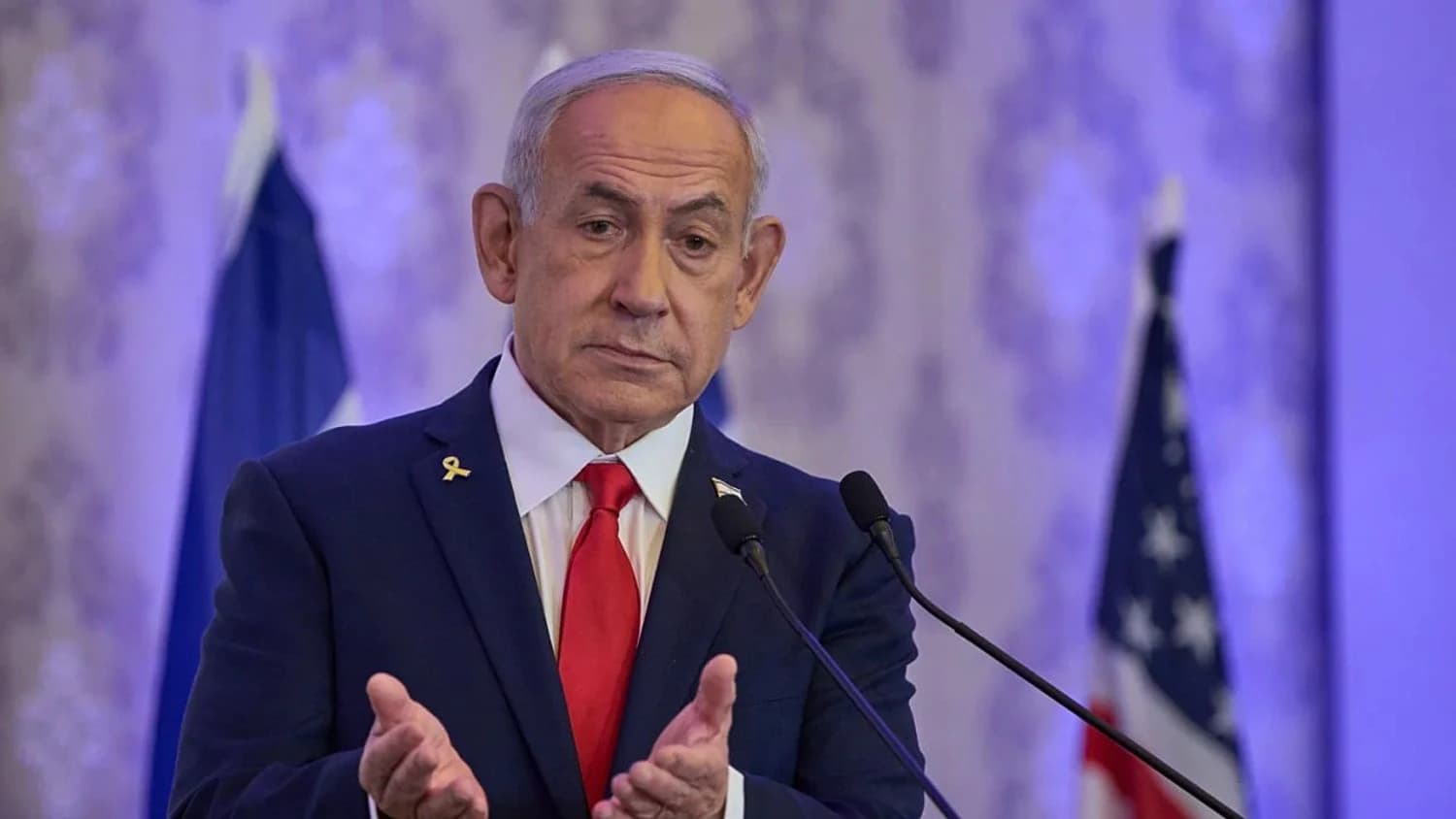
'Our missile industry deserves a perfect score ... and there is no concern in this regard, because even under wartime conditions we continue missile production,' Naeini stated, directly countering Israeli Prime Minister Benjamin Netanyahu's claim that 'Iran no longer has the capacity to enrich uranium and manufacture ballistic missiles.'
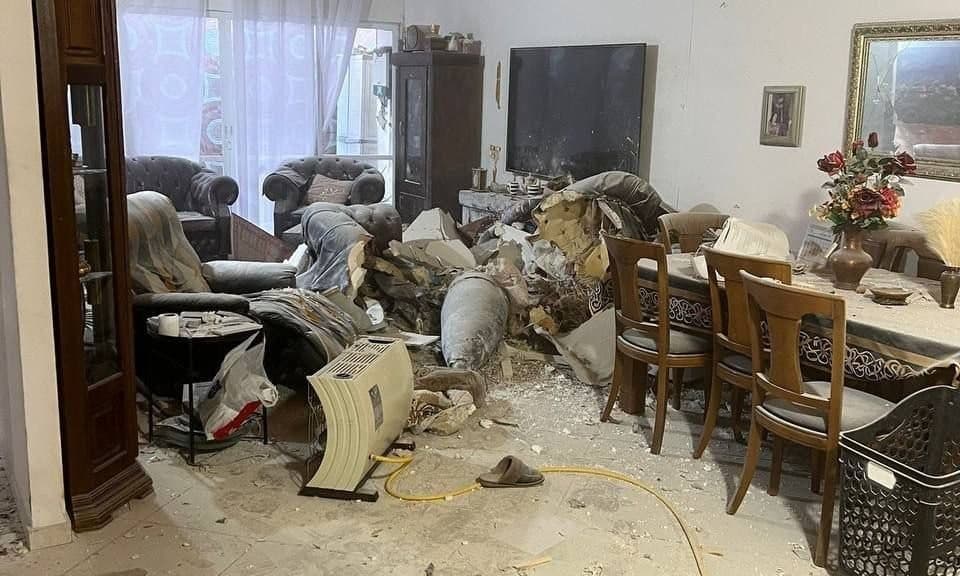
The IRGC described his death in stark terms on their Sepah News website, announcing he was 'martyred in the criminal cowardly terrorist attack by the American-Zionist side at dawn.'
Israeli army spokesman Avichay Adraee confirmed the operation, stating that 'The Air Force, directed by the Military Intelligence Directorate, attacked last night and eliminated the so-called Ali Mohammad Naeini, spokesperson and head of the propaganda system in the Iranian Revolutionary Guard.'
Leadership Decimation
Naeini's assassination represents the latest in a devastating series of targeted killings that have systematically dismantled Iran's military and political leadership structure over the past three weeks.
“IRGC spokesman killed in Israeli strike, US urges citizens to leave Syria The Islamic Revolutionary Guard Corps’ (IRGC) main spokesman was killed in an Israeli air strike on Friday, as Iran continued its attacks on the Gulf and the United States urged its citizens to leave Syria amid security concerns”
Supreme Leader Ayatollah Ali Khamenei was killed in the opening hours of the joint U.S.-Israeli military campaign and subsequently replaced by his son Mojtaba Khamenei.
Within the same 48-hour period as Naeini's death, multiple other high-ranking Iranian officials were eliminated, including Ali Larijani, secretary of Iran's Supreme National Security Council and one of the most influential figures in Iran's establishment, who was killed along with his son and several aides.
Other confirmed casualties within this timeframe included Brigadier General Gholamreza Soleimani, head of the Basij paramilitary forces, and Intelligence Minister Esmail Khatib.
U.S. Defense Secretary Pete Hegseth openly expressed Washington's satisfaction with the ongoing decapitation strikes, stating that 'the last job anyone in the world wants right now' is a senior leadership role in the IRGC or Basij.
Regional Escalation
The assassination coincided with Nowruz, the Persian New Year celebration, marking a significant escalation in regional tensions that have disrupted global energy markets and security across the Middle East.
Al Jazeera's Mohamed Vall reported from Tehran that the mood in the capital was 'hushed, with none of the customary festivities visible on the streets' as explosions boomed overhead.
Iran has responded to the leadership decimation by intensifying attacks on Gulf energy infrastructure, with Kuwait reporting that two waves of drone attacks hit the Mina Al-Ahmadi refinery, igniting fires that emergency crews struggled to contain.
The facility, capable of processing around 730,000 barrels of oil daily, had already sustained damage in a previous strike.
Meanwhile, air defenses in Dubai intercepted incoming projectiles during Eid al-Fitr celebrations, while Bahrain reported debris from an intercepted missile causing a warehouse fire.
Saudi Arabia claimed it had downed several drones aimed at its Eastern Province, underscoring the widening regional conflict.
Global Repercussions
The assassination of IRGC spokesman Ali Mohammad Naeini has triggered international reactions and raised concerns about the broader implications for Middle East stability.
“What you need to know - Iran's Revolutionary Guards report their spokesman has been killed in an air strike - UAE and Kuwait respond to missile attacks - Israel is continuing to strike "infrastructure" in Tehran, but says it will refrain from further strikes on key gas field - Lebanese President Aoun says Hezbollah-Israel ceasefire proposal is "still on the table" Welcome to DW's coverage of the ongoing war in the Middle East on Friday, March 20, 2026”
Iran's new Supreme Leader Mojtaba Khamenei struck a defiant tone, warning that enemies would have their 'security taken away.'
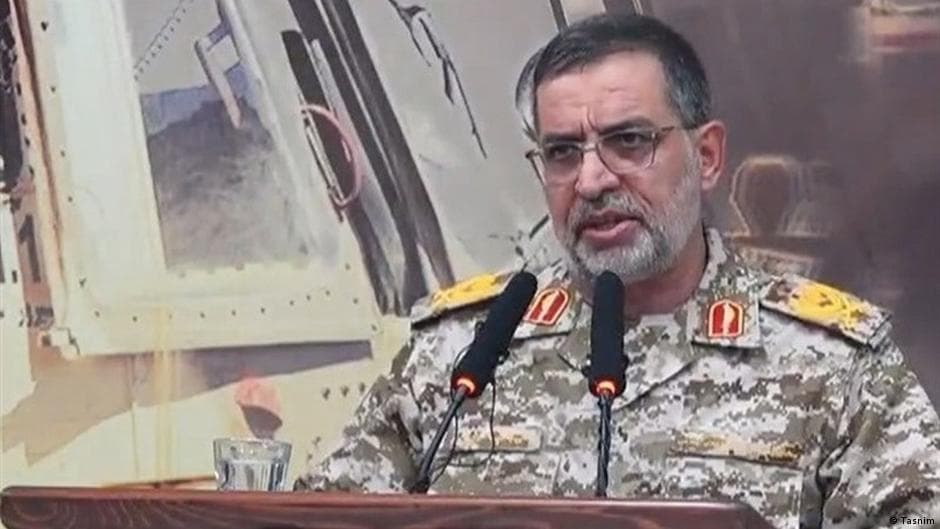
Meanwhile, U.S. officials urged American citizens to leave Syria amid security concerns, following Israeli strikes in the country targeting sites in response to attacks on the Druze minority.
The conflict has also drawn in other nations, with Sri Lanka refusing permission for the United States to station armed warplanes at its Mattala International Airport, citing neutrality concerns.
Iranian Foreign Minister Abbas Araghchi warned British Foreign Secretary Yvette Cooper that any American use of UK military bases would be regarded as Britain participating in hostile action against Iran.
The escalating violence has disrupted global energy markets, with oil prices surging due to concerns about supply disruptions through the Strait of Hormuz, highlighting the potential economic consequences of the widening regional conflict.
More on Iran

Iran Attacks Kuwaiti Oil Refinery as Tehran Steps Up Gulf Attacks
21 sources compared

Police Scotland Arrest Iranian Man and Woman After Breach Attempt at Faslane Nuclear Submarine Base
14 sources compared

Israel strikes South Pars gas field; Iran attacked Gulf energy sites
38 sources compared
Iran Targets Gulf Oil and Gas Facilities
74 sources compared