
Israel strikes South Pars gas field; Iran attacked Gulf energy sites
Key Takeaways
- Israel struck Iran's South Pars gas field, triggering widespread Gulf energy facility damage.
- Iran retaliatory strikes hit Gulf energy sites after the Israeli attack.
- Global energy prices surged amid the widening Middle East energy conflict.
Israeli Strike Escalation
On March 18, 2026, Israel launched airstrikes on Iran's South Pars gas field, marking a significant escalation in the Middle East conflict.
The attack targeted infrastructure in the world's largest natural gas field, jointly owned by Iran and Qatar near the Persian Gulf city of Asaluyeh.

Iranian state media immediately blamed Israel for the strike, while Qatar also attributed the attack to Israel.
The targeting of this critical energy infrastructure represented a major shift in the conflict, as Israel had previously avoided direct attacks on Iran's energy facilities.
The strike halted output at two refineries with a combined daily capacity of around 100 million cubic meters of gas, severely impacting Iran's energy production capabilities.
Iranian Retaliation
In swift retaliation, Iran launched widespread attacks on energy infrastructure across the Gulf region on March 19, 2026.
Iranian forces targeted Qatar's Ras Laffan Industrial City, the world's largest LNG export facility, causing extensive damage and fires that took emergency teams hours to contain.

The UAE reported missile attacks on its Habshan gas facilities and Bab field, while Saudi Arabia intercepted drones and missiles targeting Riyadh and refineries in the Red Sea port city of Yanbu.
Iran's Revolutionary Guards had issued evacuation warnings for energy sites in Saudi Arabia, the UAE, and Qatar prior to the attacks, demonstrating Tehran's preparedness for widespread retaliation.
Iranian military spokesman Ebrahim Zolfaghari stated the attacks were targeting facilities 'considered part of the U.S. interests,' with Foreign Minister Abbas Araghchi warning there would be 'ZERO restraint' if Iran's infrastructure was hit again.
Market Impact
The attacks on energy infrastructure triggered severe disruptions to global energy markets and caused significant economic damage.
“The attacks came a day after Israel pledged to refrain from more strikes on a key Iranian gas field and Iran intensified attacks on oil and natural gas facilities around the Gulf”
Brent crude oil briefly surged above $119 per barrel, up more than 60% since the Israel-U.S. war began on February 28, while European natural gas prices roughly doubled in the past month.
QatarEnergy reported that the attacks on Ras Laffan reduced LNG exports by about 17% and will cost approximately $20 billion per year in lost revenue, with repairs expected to take three to five years.
Wood Mackenzie analysts stated that the Iranian attacks 'fundamentally alter the global gas market outlook,' extending expected disruptions beyond previous expectations of a short conflict.
The closure of the Strait of Hormuz - through which 20% of the world's oil is transported - further compounded supply concerns, as Iranian forces effectively blocked this critical waterway.
Political Fallout
The escalation of attacks on energy infrastructure created significant political tensions and exposed divisions between the U.S. and Israel.
President Donald Trump initially claimed on Truth Social that the United States 'knew nothing' about the Israeli strike on South Pars and that Qatar was 'in no way involved' with the attack.

However, multiple Israeli officials told media outlets that the attack was coordinated with the U.S. prior to execution, creating contradictory narratives about the level of coordination.
After Iran's retaliatory strikes, Trump issued a stern warning that if Iran attacks Qatar's LNG facilities again, the U.S. would 'massively blow up the entirety of the South Pars Gas Field at an amount of strength and power that Iran has never seen or witnessed before.'
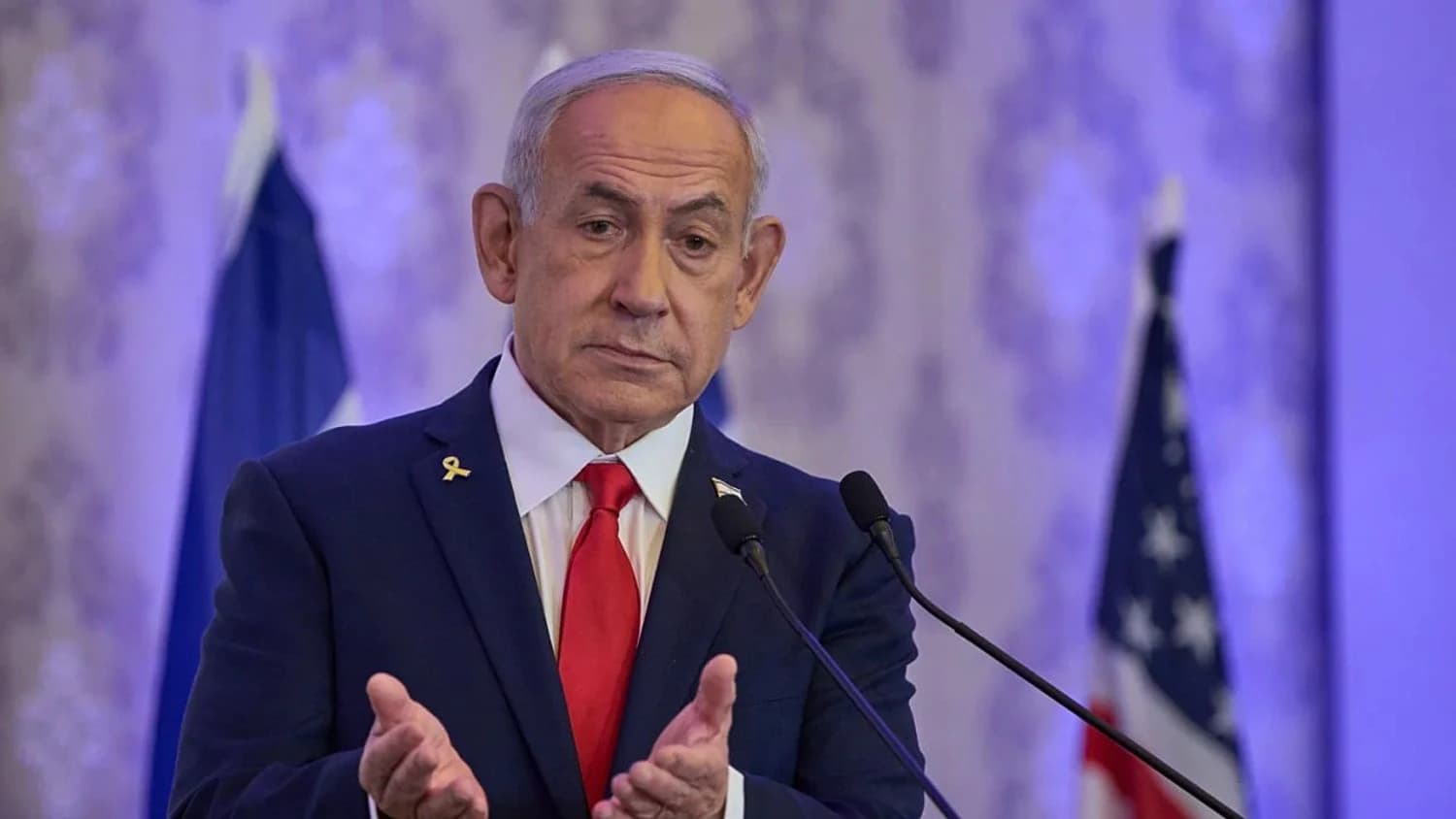
Israeli Prime Minister Benjamin Netanyahu publicly backed away from further attacks, stating at Trump's request that Israel would 'hold off on future attacks,' though he emphasized Israel's independence in military decision-making.
Humanitarian Concerns
The targeting of civilian energy infrastructure raised serious humanitarian concerns and drew international condemnation.
“Also Read The White House did not immediately respond to a request for comment on the three Israeli officials' remarks, nor did the office of Israeli Prime Minister Benjamin Netanyahu”
Human Rights Watch warned that the 'tit-for-tat attacks by Iran, Israel, and the US on some of the world's largest oil and gas infrastructure in Iran and the Gulf states risk causing economic and environmental catastrophe to civilians in Iran and across the Gulf, and countless economically marginalized people across the globe.'

The Iranian Red Crescent Society reported that more than 18,000 civilians had been injured and 204 children had been killed in Iran since the war began on February 28.
European Union leaders called for a moratorium on strikes on energy and water infrastructure during a summit in Brussels, while the UN Security Council held an urgent closed meeting on energy attacks in the Iran war.
The Arab League Secretary-General Ahmed Aboul Gheit condemned the Iranian attacks as a 'dangerous escalation,' and Qatar gave Tehran's embassy officials 24 hours to leave the country following the attacks on its energy facilities.
More on Iran

Iran Attacks Kuwaiti Oil Refinery as Tehran Steps Up Gulf Attacks
21 sources compared

Police Scotland Arrest Iranian Man and Woman After Breach Attempt at Faslane Nuclear Submarine Base
14 sources compared
Iran Targets Gulf Oil and Gas Facilities
74 sources compared
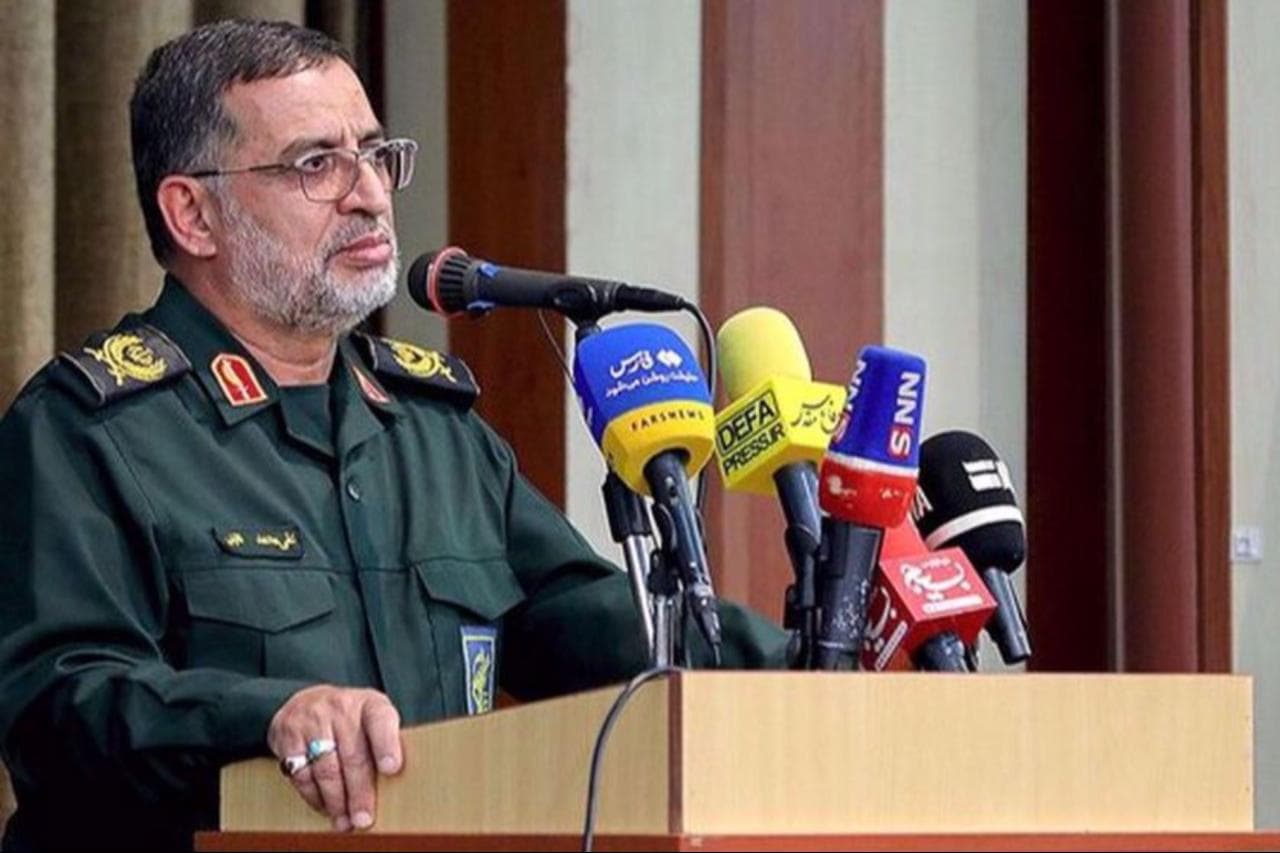
Israel kills IRGC spokesperson Ali Mohammad Naeini in Israeli strike
13 sources compared