Israel Kills More Than 350 in Beirut Airstrikes After U.S.-Iran Ceasefire
Key Takeaways
- Israeli airstrikes hit Beirut amid a wider wave across Lebanon after the US-Iran ceasefire.
- Lebanon-wide toll from the strikes ranges roughly from 203 to 254 dead, per outlets.
- Families of Beirut victims vow to seek justice for those killed.
Black Wednesday in Beirut
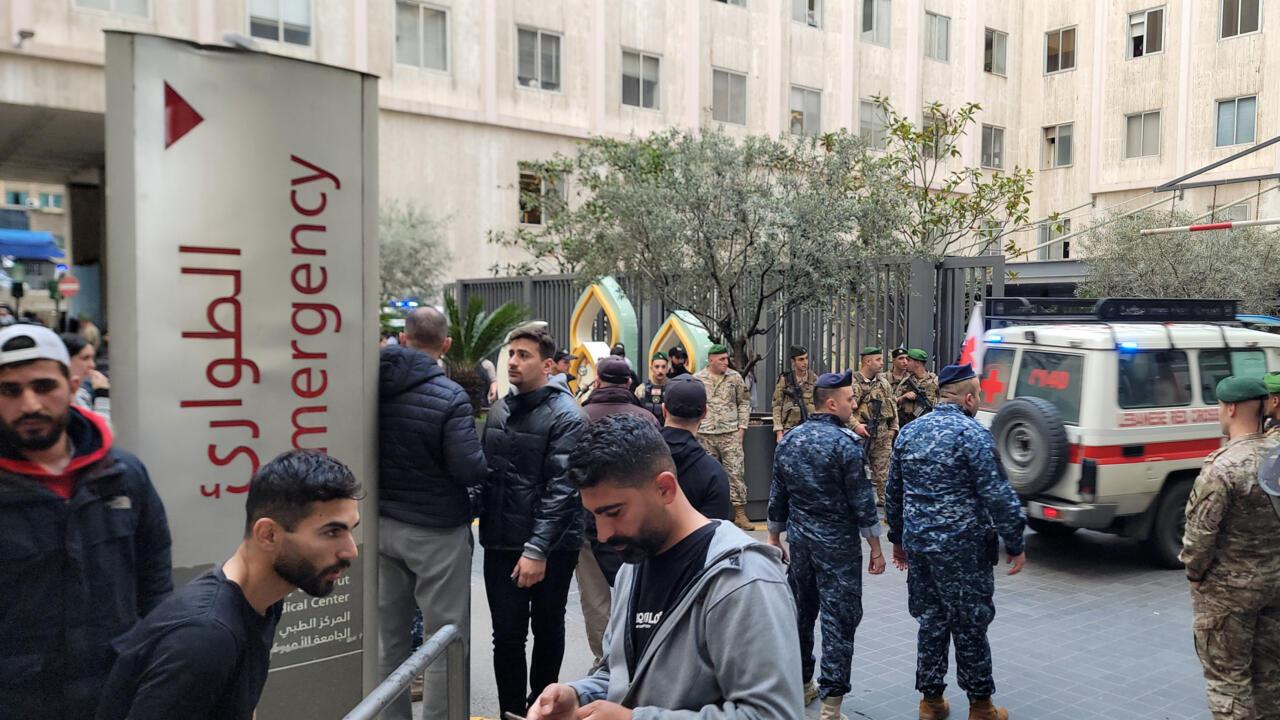
On April 8, hours after a ceasefire was announced between the United States and Iran, Israel launched a massive wave of airstrikes across Lebanon including the heart of the capital, killing more than 350 people.
In central Beirut’s well-off Tallet al-Khayat district, childhood neighbours Wael Sabbagh and Ghida Krisht said an Israeli strike killed their family members, with Sabbagh saying, "I lost my mother, my brother, my home, my childhood," and Krisht describing how rescuers did not let her see her parents disfigured faces.

Sabbagh said the strike hit a building in which his mother and brother lived on the seventh floor, while Krisht’s parents and another relative were on the sixth floor and the building owner lived on the eighth floor.
The Al-Monitor account also ties the strike to Israel’s army claim that it had "struck a Hezbollah commander in Beirut," identifying the official as Ali Yusuf Harshi, described as the "personal secretary and nephew of Hezbollah Secretary-General Naim Qassem" while Hezbollah never confirmed his death.
Casualties and competing tolls
As Israeli airstrikes hit Beirut and other areas, the Lebanese Ministry of Health said the death toll since March 2 stood at 1,739 killed and 5,873 wounded, while Anadolu Agency reported that an Israeli airstrike targeted the Lilaki- al-Kafa'at area in Beirut’s southern suburb without announcing casualties from that specific strike.
Anadolu Agency also reported that the Israeli army carried out wide air attacks with about 50 fighter jets, stating it struck about 100 targets using around 160 shells within 10 minutes.

In a separate account, Al Jazeera reported that the Lebanese National News Agency cited a statement from the General Directorate of Civil Defence saying the unprecedented bombardment killed 254 people and left 1,165 others wounded, with the Lebanese Ministry of Health also saying the final toll from the Israeli airstrikes on Wednesday reached 182 killed and 890 injured.
Al Jazeera further quoted Israeli Defense Minister Yisrael Katz warning that Israel had told Hezbollah it would pay a heavy price, saying, "We warned Na’im Nasrallah that Hezbollah will pay a heavy price for attacking Israel on behalf of Iran, and it will be its turn."
Justice demands and next steps
In the aftermath of the Tallet al-Khayat strike, Sabbagh and Krisht said they are putting together a legal file to demand justice even though "the road will be long," and they said they want to gather testimonies and evidence to document what happened.
“Israeli airstrike on Beirut's southern suburb as part of waves of bombardment on Lebanon”
Al-Monitor reported that Lebanon says Israeli attacks since the latest war between Israel and Hezbollah began on March 2 have killed more than 3,000 people, while it also noted that only French-Lebanese artist Ali Cherri had launched legal action in France after parents were killed in a 2024 Israeli strike on their residential building in Beirut.
Meanwhile, in the broader escalation, the Lebanese Prime Minister Nawaf Salam urged "friends of Lebanon" to intervene to help stop Israeli assaults, and he said Israel is "indifferent to all regional and international efforts to stop the war."
The stakes for civilians were underscored by the Lebanese Health Minister Rakan Nasser al-Din, who told Al Jazeera that ambulances were still transporting victims to hospitals and called on international institutions to aid the Lebanese health sector as hospitals were crowded with martyrs and the wounded.
More on Lebanon
Israel Says Reserve Captain Itamar Saber Killed In Clash With Hezbollah South Of Lebanon
12 sources compared
Lebanese Poll Finds 58% Support Disarming Hezbollah and Peace With Israel
10 sources compared
Israeli Strikes Kill 254 in Lebanon as U.S.-Iran Talks Prepare in Islamabad
12 sources compared
Israel Launches Airstrikes on Hezbollah Targets as Israel-Lebanon Ceasefire Extended 45 Days
15 sources compared