Gaza Genocide08 November, 20252 min read
Israel Kills Over 69,000 Palestinians, Gaza Health Ministry Says
This article is an automated aggregation of coverage from news outlets. Our editorials offer in-depth analysis curated by the NewsCord team.
Gaza Health Ministry reports 69,169 Palestinians killed since Oct. 7, 2023 Gaza Health Ministry reports 170,685 Palestinians wounded since Oct. 7, 2023
6 outlets told this the same way.
Outlets did split on Thousands March in London Calling for Britain to Stop Arming Israel and Impose Sanctions →
Gaza casualty update
Gaza health officials say the Palestinian death toll has reached 69,169 and 170,685 wounded since Hamas' Oct. 7, 2023 attack.
“Gaza health officials said Saturday the death toll in the Israel-Hamas war has reached 69,169, with 170,685 wounded since Hamas' Oct. 7, 2023 attack. The rise reflects bodies recently recovered from under rubble since the ceasefire and the identification of previously unidentified remains.”
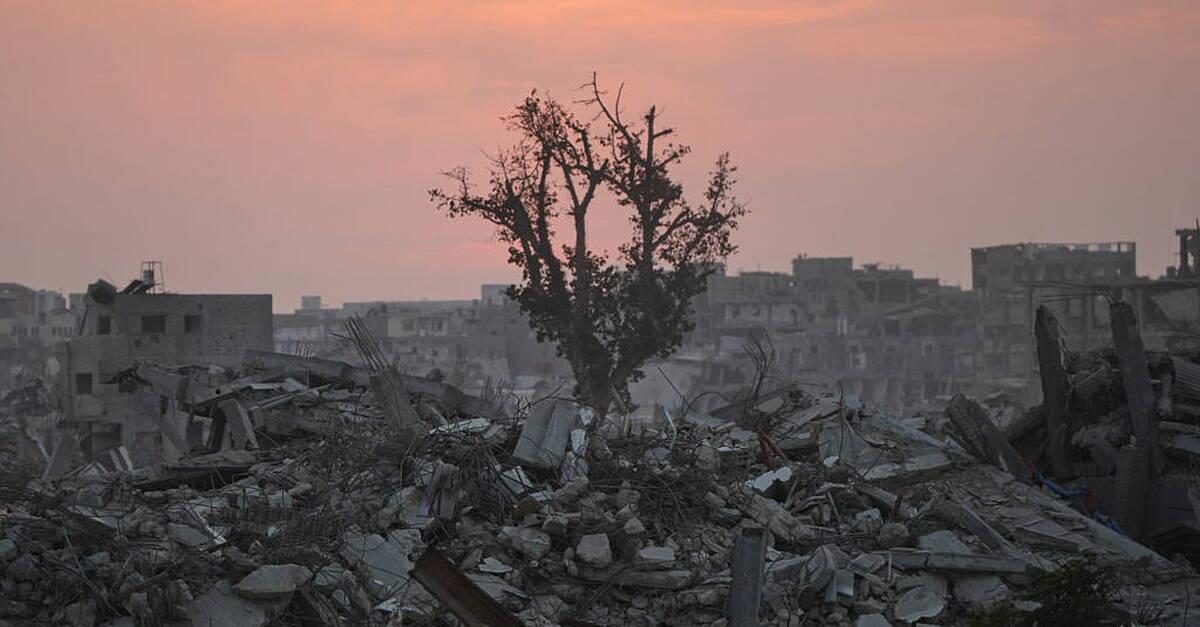
Officials attribute the rise to bodies recently recovered from under rubble and to the identification of previously unidentified remains after a U.S.-brokered ceasefire.
The tally and explanation are reported by multiple outlets citing Gaza health authorities; these figures are reported by Gaza health officials and are not independently verified here.
Truce body exchanges
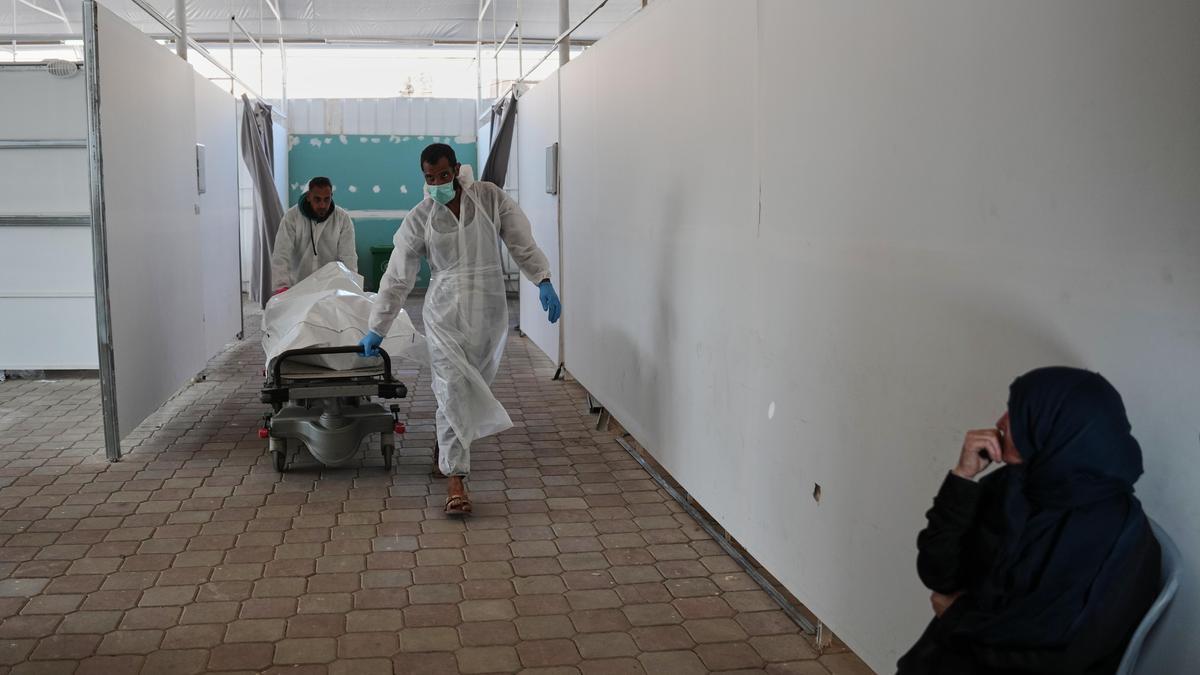
Reporting describes a pattern of body exchanges under the truce, with militants handing over the remains of an Israeli man identified as Lior Rudaeff. Israel returned 15 Palestinian bodies to Gaza, which were received at Nasser Hospital in Khan Younis and described as consistent with a reported exchange ratio of 15 Palestinian bodies for each Israeli hostage or body. Hospital officials say around 300 remains have now been returned overall, but only 89 have been identified and DNA capacity is described as limited.
Casualties and West Bank violence
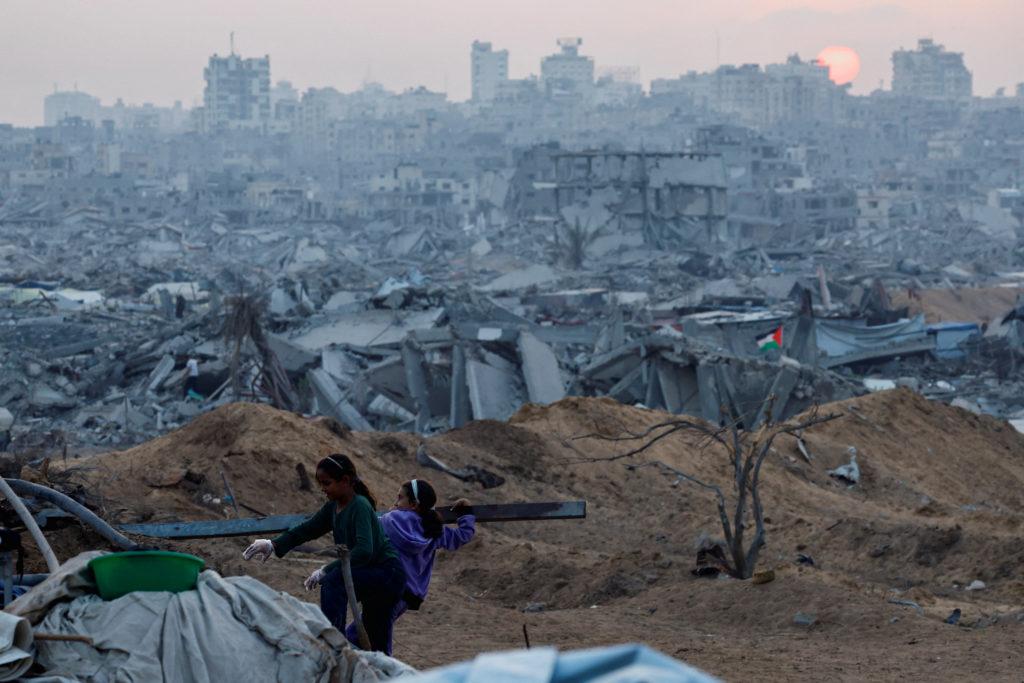
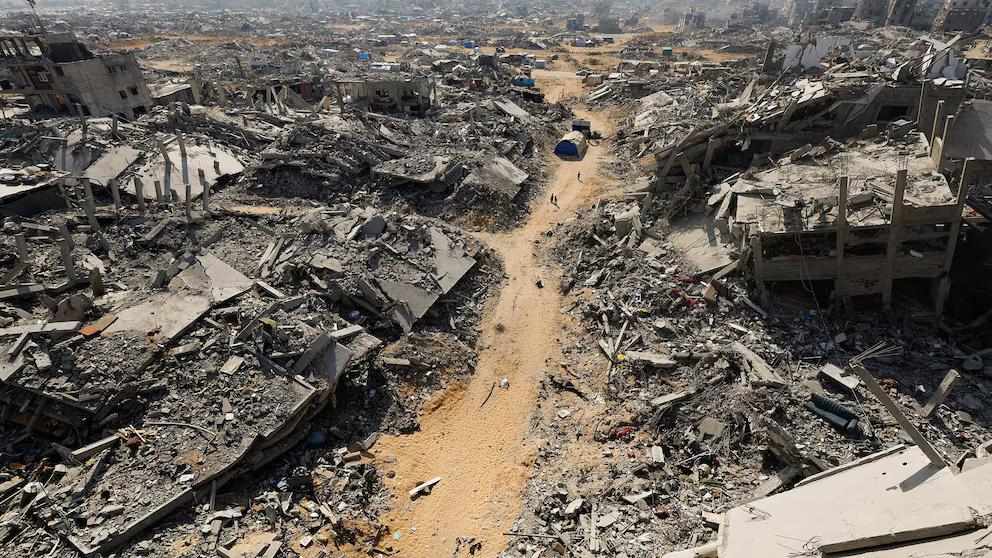
Reporting documents that bodies continue to be pulled from rubble and that some deaths occurred after the ceasefire began.
“Gaza health officials said over 69,000 Palestinians have been killed in the Israel–Hamas war to date, with 241 killed in Gaza since the ceasefire began on Oct. 10. In the past three days 10 bodies were brought to Gaza hospitals (nine pulled from rubble, one newly killed)... Israel’s military reported troops killed two militants who approached soldiers.”
PBS reports 241 killed in Gaza since Oct. 10 and notes 10 bodies brought to hospitals in a recent three-day span ("nine pulled from rubble, one newly killed").
PBS records that Israel's military reported troops killed two militants who approached soldiers.
PBS also highlights escalating Israeli settler violence in the occupied West Bank, with dozens of attacks and injuries recorded.
Media coverage differences
The sources diverge in tone and emphasis. Hindustan Times and The Hindu present the Gaza health ministry totals and frame the exchanges as steps in the tenuous ceasefire. PBS broadens coverage to include identification challenges, DNA limits, Israeli military statements about militants, and a detailed account of rising settler attacks in the West Bank.
PBS also uses rounded figures ("over 69,000") rather than the exact totals cited by the Asian outlets. madhyamamonline, in the supplied snippet, does not present reporting, highlighting a gap in available coverage from that outlet in this dataset.
Casualty reporting uncertainty
There is remaining uncertainty and limited verification in the reporting. The tallies are credited to Gaza health officials and are evolving as more bodies are recovered and identifications proceed. Capacity constraints, notably limited DNA testing, mean many remains are unidentified.
“The rise reflects bodies recently recovered from under rubble since the ceasefire and the identification of previously unidentified remains.”
PBS explicitly flags this uncertainty, and other outlets report bodies recovered after the ceasefire. Readers should understand that figures may change as exchanges and identification continue.