Gaza Genocide27 December, 20253 min read
Israel Kills Palestinian In Jabalia, Gaza
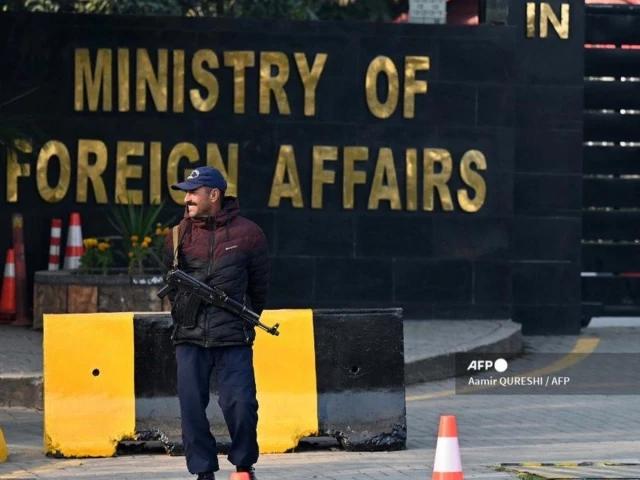
Israeli forces killed a Palestinian in Jabalia, Gaza, as part of genocide. Israel recognized Somaliland, prompting widespread Arab, African, and international condemnation.
11 outlets told this the same way.
Outlets did split on Israel Marks Oct. 7 Anniversary With Strikes on Gaza, Netanyahu Faces Election After Nova Tribute →
Northern Gaza humanitarian crisis
Multiple sources report Israeli forces have continued to kill Palestinians in northern Gaza and that the enclave is suffering deep humanitarian collapse. Middle East Eye says Israeli forces have carried out air, artillery and naval strikes and that municipalities in northern Gaza report Israeli forces are blocking water, fuel, spare parts and reconstruction materials. Palestinian health authorities quote a Gaza death toll of 71,266 and report that in the past 48 hours four people were killed and 25 bodies were recovered and taken to hospitals.
Al‑Jazeera Net and PressTV quote Hamas and Palestinian authorities condemning Israel’s actions and describing the wider Gaza campaign as genocidal or as violating international law. Those sources stress concerns about forced displacement and the intensive killing of civilians. Siasat and Mehr News Agency repeat figures and condemnations and highlight that since the October ceasefire hundreds have been killed and many more wounded in northern Gaza.

Post-ceasefire Gaza casualties
Recent reporting attributes the immediate deaths in northern Gaza to Israeli military operations after the October ceasefire. Middle East Eye reports at least 410–414 Palestinians killed and 1,134 wounded since the ceasefire, and documents ongoing strikes and shortages that hamper rescue and medical care.
Siasat reiterates those post-ceasefire casualty figures and highlights that the U.S.-brokered ceasefire explicitly bars expulsion of Palestinians, a point used by Palestinian authorities to reject any relocation to other territories. Al-Jazeera, Mehr and PressTV quote Hamas and Palestinian officials who portray the killings as part of a genocidal campaign and demand continued isolation of Israel.
Northern Gaza damage report
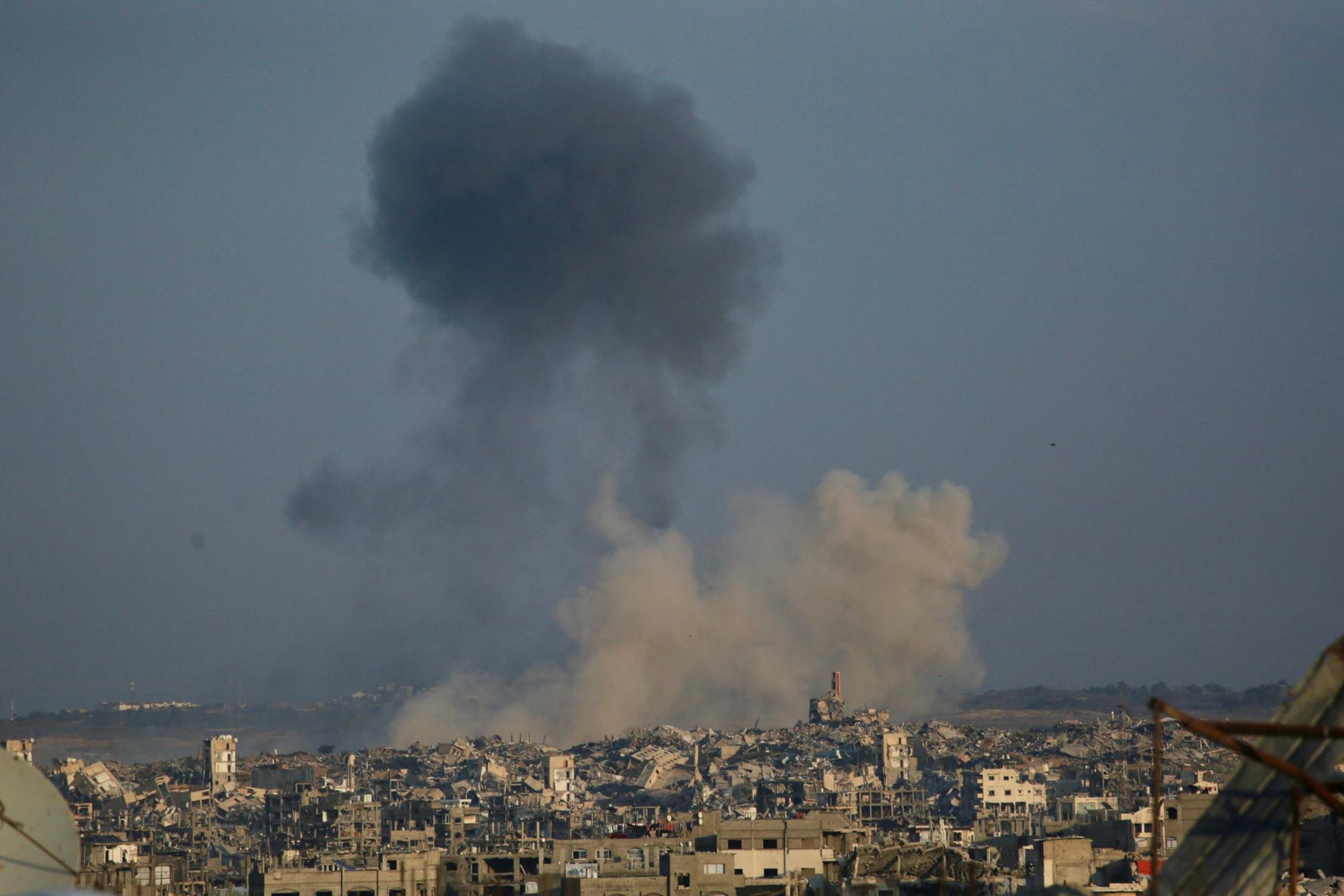
Humanitarian infrastructure in northern Gaza has been reported as devastated by Israeli military action. Middle East Eye documented more than 150 km of damaged roads, 70 main water wells and treatment plants hit, privately owned generators destroyed, and 50,000 dunams of farmland damaged, all of which compounds deaths and prevents basic medical and rescue operations. West Asian outlets Mehr and PressTV characterize Israel's moves as attempts to fragment Arab states and warn against forced displacement.
“Hamas condemned Israel’s announcement ... calling it ‘a dangerous precedent’ that seeks to legitimize ‘a fascist entity’ accused of war crimes and genocide.”
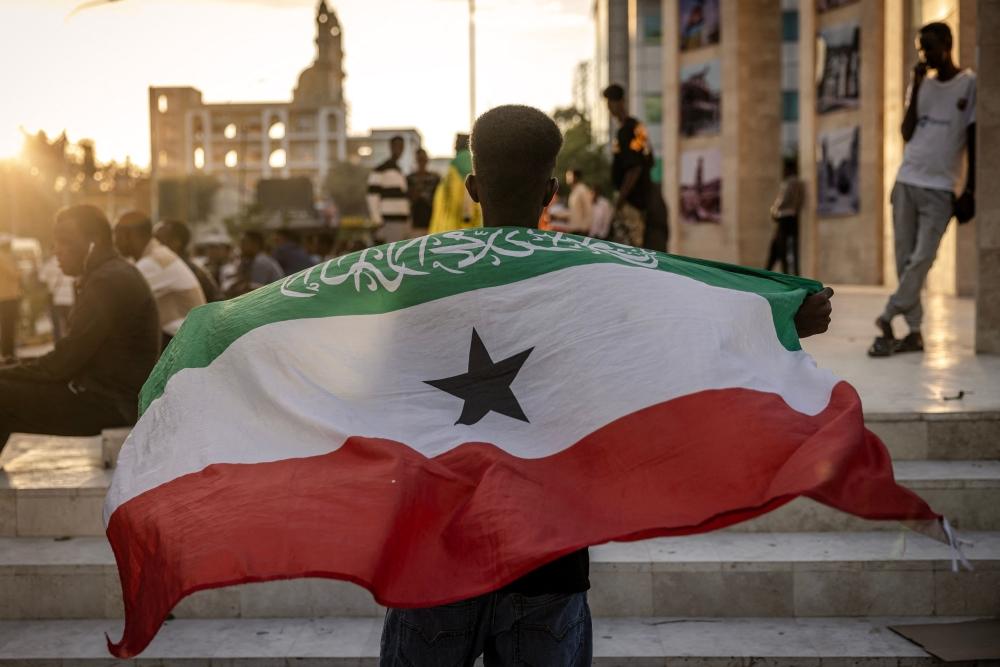
Modern Diplomacy and İlke Haber Ajansı emphasize risks to international law and regional stability, noting that foreign interventions could destabilize the Horn of Africa. China rejects relocation proposals as violations of international law.
Regional diplomatic backlash
Political fallout is intense: Hamas and Palestinian authorities condemned Israeli killings and rejected relocation plans, calling any transfer a 'red line.' Somalia, the African Union, the Arab League and several regional states denounced Israel's recognition of Somaliland as illegal and destabilizing. PressTV and Mehr report that Hamas described the recognition as part of a fragmentation project and urged isolation of Israel.
İlke Haber Ajansı says Mogadishu vowed to pursue diplomatic, political and legal measures. Tehran Times and Siasat add that U.S. and Israeli outreach about potential resettlement, along with political pressures in the U.S., shaped recognition dynamics and fueled the regional backlash.
Claims about Jabalia killings
None of the provided sources explicitly names Jabalia as the site of the reported killings; they discuss deaths and bodies recovered in northern Gaza more generally and repeatedly attribute those deaths to Israeli air, artillery and naval strikes. That ambiguity means we cannot factually claim from these sources that Israeli forces killed Palestinians specifically in Jabalia. What is clear across West Asian, Western Alternative and other outlets is that Israeli forces continue to carry out strikes in northern Gaza.
“In the past 48 hours: four people killed; 25 bodies recovered and taken to hospitals.”
Palestinian authorities report dozens of deaths and bodies recovered in recent days, and several sources describe the broader campaign as genocidal or amounting to war crimes — a characterization used by Hamas, Mehr and Al-Jazeera Net. Given the lack of a direct, named Jabalia reference in the excerpts provided, any claim pinpointing Jabalia would be speculative beyond these sources.
