Full Analysis Summary
Gaza strikes and reporting
Multiple West Asian outlets report that deadly Israeli strikes and incursions have continued in Gaza despite the ceasefire.
None of the provided sources explicitly reports the specific death of a Palestinian journalist; their reporting instead documents wider civilian deaths, destruction, and restricted media access.
Al Jazeera says the ceasefire 'has done little to halt the harm to Palestinians in Gaza.'
It adds that Israel 'has not allowed the agreed amount of aid, has destroyed more than 1,500 buildings and pushed deeper into Gaza, displacing people and preventing returns.'
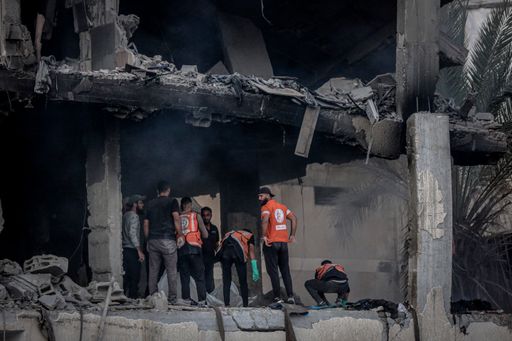
TRT World reports that Israeli military vehicles fired at homes in the Al-Tuffah neighbourhood, forcing emergency teams to evacuate dozens of civilians and providing casualty counts.
Arab News PK highlights UN concern about journalist access, quoting António Guterres condemning the 'unacceptable ban' on international journalists entering Gaza.
Together, these sources document continued Israeli military action that kills and displaces Palestinians and creates an environment that impedes reporting, but they do not provide a direct report of a named journalist killed in the supplied snippets.
Coverage Differences
Missed information
None of the three supplied West Asian sources (Al Jazeera, TRT World, Arab News PK) reports a named Palestinian journalist being killed in the snippets provided. They focus on broader civilian casualties, attacks on homes, restrictions on aid and constraints on journalists entering Gaza rather than a specific journalist fatality.
Post-ceasefire Gaza casualties
All three sources document significant Palestinian casualties and extensive destruction after the ceasefire.
Arab News PK and TRT World cite recent figures of at least 356 Palestinians killed and around 900 wounded since the ceasefire.
TRT World also reports that Gaza's Health Ministry says since October 2023 about 70,000 Palestinians, mostly women and children, have been killed and over 171,000 wounded.
Al Jazeera reports that more than 1,500 buildings have been destroyed as Israel has pushed deeper into Gaza, intensifying displacement and preventing returns.
Together, the reporting shows continuing lethal Israeli operations that are killing and wounding civilians and flattening large parts of the enclave.
Coverage Differences
Narrative / Figures
While Arab News PK and TRT World both report recent ceasefire‑period casualty totals of about 356 killed and ~900 wounded, TRT World also quotes much larger cumulative figures since October 2023 ("some 70,000 Palestinians — mostly women and children — have been killed"), and Al Jazeera foregrounds structural destruction ("destroyed more than 1,500 buildings") and displacement. That creates a difference in emphasis: some pieces highlight immediate post‑ceasefire tolls, one gives very large cumulative totals, and another stresses infrastructure damage and displacement.
Accusations of Genocide
Human rights groups and UN officials quoted in the coverage accuse Israeli authorities of actions amounting to systematic destruction and of creating conditions that may meet the threshold of genocide.
Al Jazeera cites Amnesty International's legal analysis, which calls the situation an "ongoing genocide" and cites post-ceasefire deaths, restrictions on relief and medical supplies, and a blockade-linked famine.
Arab News PK reproduces Amnesty's language that Israeli authorities were still committing genocide by deliberately inflicting conditions of life calculated to bring about Palestinians' physical destruction.
TRT World, while concentrating on battlefield incidents and casualty figures, documents Israeli attacks that force evacuations and the besiegement of civilians.
Coverage Differences
Tone / Legal framing
Al Jazeera and Arab News PK explicitly report Amnesty International’s legal conclusion that the situation amounts to an "ongoing genocide," quoting Amnesty’s legal analysis and wording. TRT World emphasizes operational descriptions (firing at homes, evacuations) and large casualty counts but does not in the provided snippet repeat Amnesty’s legal framing; this leads to a difference in tone — rights/legal framing versus operational incident reporting.
Media and humanitarian restrictions
Sources document that Israel’s actions are restricting journalism and humanitarian response, hampering independent verification of incidents such as the alleged killing of a journalist.
Arab News PK quotes UN Secretary‑General António Guterres calling the ban on international journalists entering Gaza 'unacceptable' and warning that the laws of war prohibit targeting civilians or civilian infrastructure.
Al Jazeera notes that reduced media coverage since the ceasefire has eased international pressure, which critics say has allowed abuses to continue.
TRT World reports that strikes forced evacuations of emergency teams responding to besieged civilians, further obstructing reporting and aid delivery.
Coverage Differences
Narrative / Focus
Arab News PK foregrounds international institutional protest about access (quoting Guterres and the "unacceptable ban"), Al Jazeera highlights the consequence of reduced media scrutiny easing international pressure, and TRT World provides incident‑level evidence of Israeli strikes forcing evacuations. Together they show different angles: institutional condemnation, change in media environment, and operational barriers to on‑the‑ground reporting.
Reporting verification summary
Based strictly on these supplied West Asian sources, reporters and rights groups document Israeli military operations that continue to kill and displace Palestinians after the ceasefire.
They also describe a media and aid environment that prevents full verification.
Amnesty's legal analysis quoted in the coverage explicitly labels the situation "ongoing genocide."
However, none of the provided snippets explicitly names or confirms the death of a Palestinian journalist, so the specific claim that "Israel kills a Palestinian journalist" cannot be verified from these extracts alone.
Named-source confirmation or additional reporting would be required to substantiate that claim.
The reporting nevertheless attributes lethal actions directly to Israeli forces and highlights legal and humanitarian claims of systematic harm.
Coverage Differences
Verification / Ambiguity
All three sources document continuing lethal Israeli operations and impediments to reporting, and Al Jazeera and Arab News PK reproduce Amnesty’s legal conclusion of "ongoing genocide." But the supplied snippets do not include a direct report of a journalist’s killing, creating ambiguity: the allegation cannot be confirmed from these sources alone and would require named, specific reporting beyond what is provided.