Gaza Genocide06 December, 20253 min read
Israel Kills Seven Palestinians in Gaza, Health Officials Say
This article is an automated aggregation of coverage from news outlets. Our editorials offer in-depth analysis curated by the NewsCord team.
Gaza ceasefire negotiations reached a critical moment as the first phase ends Militants still hold the remains of one Israeli hostage, blocking full ceasefire implementation

10 outlets told this the same way.
Outlets did split on Israel Marks Oct. 7 Anniversary With Strikes on Gaza, Netanyahu Faces Election After Nova Tribute →
Gaza casualties during truce
Palestinian health officials say Israeli forces killed seven Palestinians in northern Gaza.
“Gaza health officials say that despite the pause in heavy fighting, more than 360 Palestinians have been killed by Israeli fire since the truce began Oct. 10.”
This underscores continued deadly strikes despite a U.S.-brokered pause that began Oct. 10.

Multiple outlets report that Gaza health authorities attributed the new deaths to Israeli fire.
AP noted that more than 360 Palestinians have been killed by Israeli fire since the truce began on Oct. 10.
Haaretz recorded local health reports of fatal strikes in Beit Lahiya and Jabalia, and The Vibes and U.S. News cited similar tallies.
Minute Mirror and U.S. News say Israeli forces have continued targeted strikes and demolitions during the pause.
These accounts collectively attribute recent killings directly to Israeli military action as reported by Gaza health authorities and regional outlets.
Fragile truce negotiations
Qatar’s prime minister and other mediators warned the current arrangement is a fragile "pause," not a full ceasefire.
Negotiators are trying to move into a second phase that would cement a longer halt and create an international stabilization force.

AP quoted Qatar’s prime minister saying the truce has reached a "critical moment" and reiterating that the arrangement is a pause rather than a full ceasefire.
Minute Mirror and U.S. News echoed that Israel must withdraw and stability be restored before a full ceasefire can be achieved.
France 24 and The Vibes highlighted intense diplomatic debate over the proposed international security force.
U.S. News and Minute Mirror reported that exchanges of hostages and prisoners occurred in the first phase, underscoring why mediators want to cement a more lasting arrangement.
Conflicting Gaza casualty accounts
Israeli military statements diverge from Gaza health reports by describing some killings as actions against militants.
“Gaza health officials say that despite the pause in heavy fighting, more than 360 Palestinians have been killed by Israeli fire since the truce began Oct. 10.”
Haaretz reported the IDF said it shot and killed three people it described as 'terrorists' who crossed the Yellow Line.
Israeli forces denied knowledge of a separate drone strike.
U.S. News similarly noted Israeli military claims of killing militants who crossed a withdrawal line.
In contrast, Haaretz and AP relayed Gaza health authorities' accounts that Israeli fire killed civilians in northern towns such as Beit Lahiya and Jabalia.
The two narratives — the military framing the actions as against 'terrorists' or militants, and Gaza health authorities' reports of civilian deaths — run in parallel across outlets, leaving the exact status of victims and the circumstances contested.
Security force and casualties
Diplomatic coverage highlights disputes over an international security force, with Turkey's foreign minister warning there are 'big questions' about the force's composition, command and mission.
France 24 noted that Israel has rejected Turkish participation, while The Vibes and Minute Mirror reported that Qatar and Turkey called the ceasefire 'crucial' as talks continue about a stabilization force.
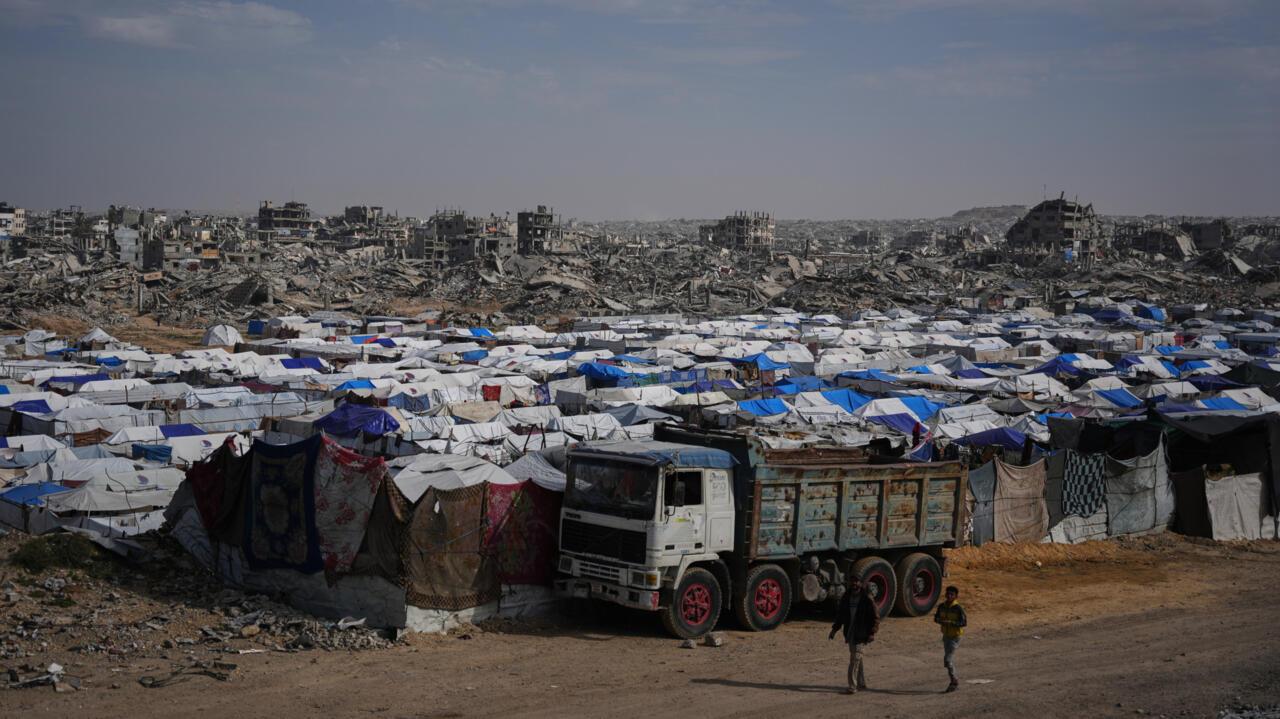
Several outlets recorded the heavy human cost: France 24 cited Gaza’s Health Ministry's claim that Israel’s offensive killed more than 70,000 Palestinians.
By contrast, AP and The Vibes focused on the several hundred killed since the Oct. 10 pause, showing a wide gulf in casualty framing and scale across sources.
Conflicting casualty reports in Gaza
Reporting is uneven and leaves key facts unclear.
“Gaza health officials say that despite the pause in heavy fighting, more than 360 Palestinians have been killed by Israeli fire since the truce began Oct. 10.”
News outlets cite Gaza health authorities’ casualty counts and Israeli military statements that the soldiers engaged militants, but they do not fully reconcile who the victims were in every incident or the exact circumstances of each killing.

AP, Haaretz and U.S. News relay conflicting frames — humanitarian casualty tallies versus Israeli operational claims — while Minute Mirror and The Vibes underline ongoing violations despite the pause.
Because sources disagree on attribution and scale, the precise status of the seven reported deaths — whether civilians, militants, or a mix — remains contested in the available reporting.