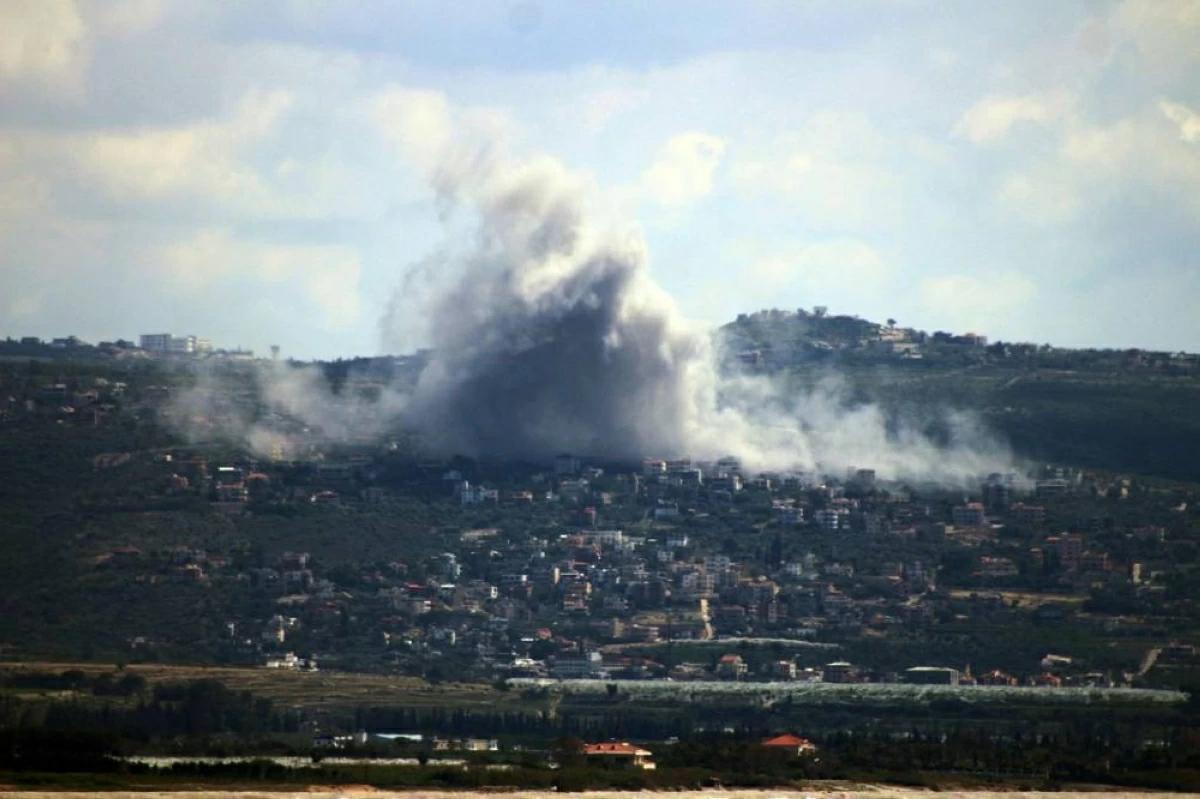
Israel Kills Six Hezbollah Fighters in Bint Jbeil During Ceasefire Violations
Key Takeaways
- Ceasefire is in effect but violations and clashes persist along the Lebanon-Israel border.
- Hezbollah attacked Israeli bases and deployed drones in response to the ceasefire.
- Casualty figures reported for the incidents vary across outlets.
Ceasefire, but fighting continues
A three-week extension of the ceasefire between Israel and Lebanon announced by Donald Trump on Thursday, April 23 did not end tensions, as Hezbollah rejected direct negotiations with Israel and opposed its disarmament while refusing to lay down arms.
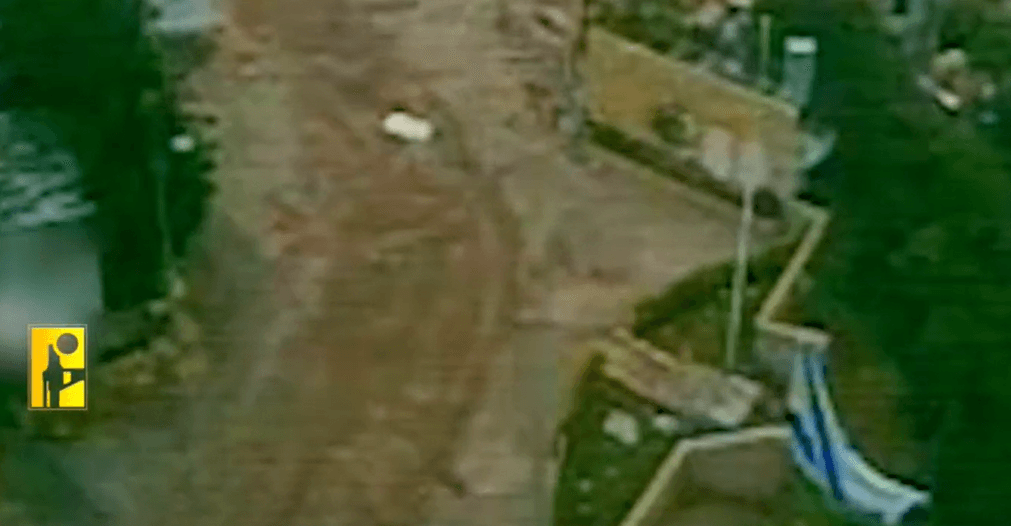
“A Hezbollah drone removed the Israeli flag left by soldiers of Brigade 226 which suffered successive attacks by the Resistance before it evacuated the headquarters in Al-Bayyada town, South Lebanon, on May 11, 2026”
Hussein Hajj Hassan, a Lebanese Hezbollah MP, said, "If Israel fully respects it, we will do so as well," and added that if Israel violates the ceasefire, "resistance is a right of peoples in the face of aggression and occupation," while declining to specify how many fighters from Hezbollah's armed wing have been killed in recent weeks.
In southern Lebanon, the Israeli army said its soldiers killed six pro-Iranian Hezbollah fighters in the village of Bint Jbeil on Friday during exchanges of fire, and then struck the structure from which the militants operated.
The Israeli army said that after identification, "an exchange of heavy fire began between the militants and the soldiers," during which the soldiers killed two militants, and that the four remaining militants were eliminated.
The ceasefire had taken effect on April 17, but the reporting described ongoing exchanges of fire and continued accusations of violations between Israel and Hezbollah.
Voices and accusations
Hezbollah’s position was framed against U.S. and Israeli moves, with Hussein Hajj Hassan saying, "U.S. policy is clear: it is about creating tension and fostering tension, which is not Hezbollah's policy," while also arguing that disarmament demands were premature before Israeli withdrawal and sovereignty.
Hezbollah’s political opponents accused it of dragging Lebanon into war by attacking Israel on March 2, and the reporting tied that accusation to the broader conflict between Israel and Hezbollah.
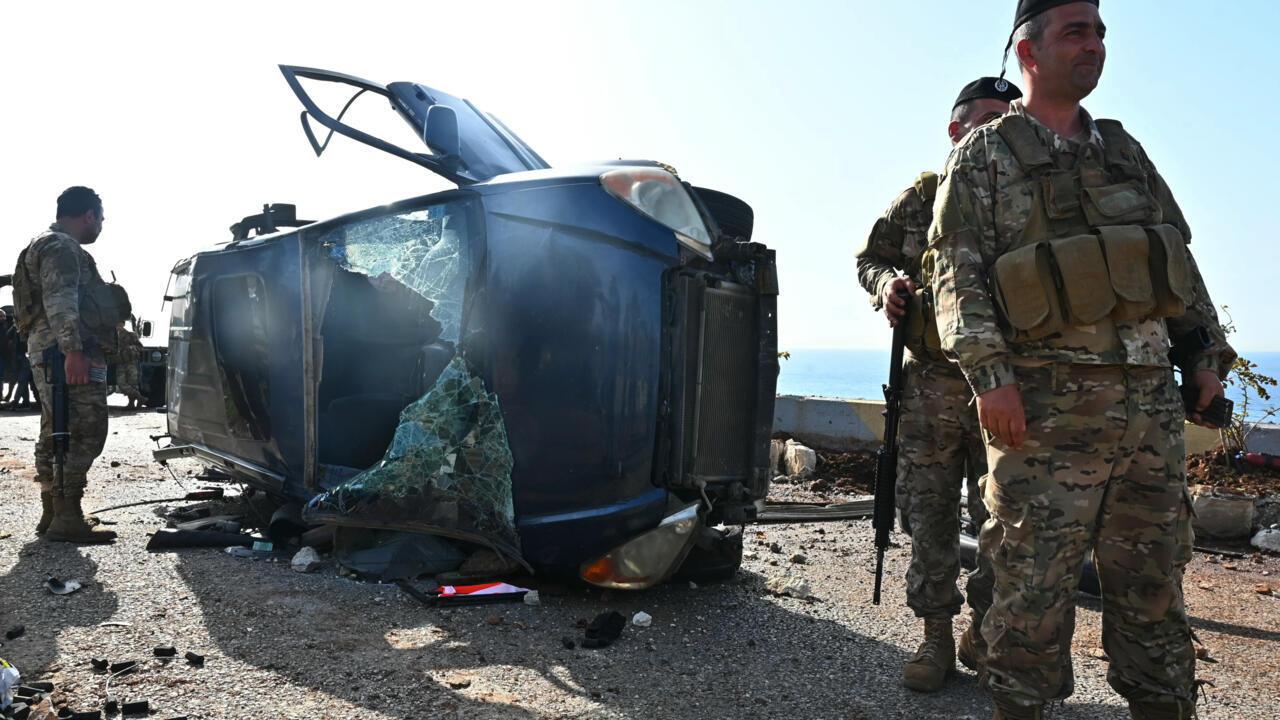
On the ground, the Israeli Chief of Staff Eyal Zamir pledged to "seize every opportunity" to weaken the Iran-backed Hezbollah, while the Israeli army said it had begun targeting Hezbollah infrastructure sites in several areas inside Lebanon.
In response to Israeli strikes, Hezbollah claimed attacks against military bases in northern Israel, saying it launched a new attack using drones against an air base and earlier fired missiles at a military base near Nahariya.
The Radio-Canada report also said Israeli bombardments killed ten people in four localities in southern Lebanon on Friday, and it quoted the Health Ministry’s tally that included two children and three women.
What is at stake next
The sources described a continuing push to consolidate or undermine the ceasefire, with Lebanon expecting the consolidation of the ceasefire as an essential objective ahead of its third round of negotiations with Israel planned for May 14 in Washington.
“The Israeli army has received the order to kill any Hezbollah fighter in the southern Lebanon area from the Israeli-Lebanese border up to the Litani, a river that runs about thirty kilometers to the north, according to a military communiqué published on Wednesday”
Foreign Minister Youssef Raggi said the talks were planned for May 14 in Washington, and Lebanese President Joseph Aoun gave directives to the head of the Lebanese delegation, the veteran diplomat Simon Karam, before his trip to the United States.
The same reporting said that since the start of the war on March 2, Israeli strikes in Lebanon had killed 2,750 people, according to the Health Ministry's latest tally published Friday, and more than one million displaced.
In parallel, the Israeli-Lebanese ceasefire framework was described as being met with skepticism in Hezbollah’s stronghold Dahiyé, where the Israeli army announced it would maintain its positions in southern Lebanon despite the agreement providing for a 10-day pause in fighting.
The France 24 account also said the Lebanese Army immediately denounced violations by Israel in the south of the country after the 10-day ceasefire began at midnight local time on Thursday, and it quoted Jamal Chehab, a 61-year-old housewife, saying, "We are tired of the war and we want security and peace," while the reporting described continued bombardments and drone activity.
More on Lebanon
Lebanese Poll Finds 58% Support Disarming Hezbollah and Peace With Israel
10 sources compared
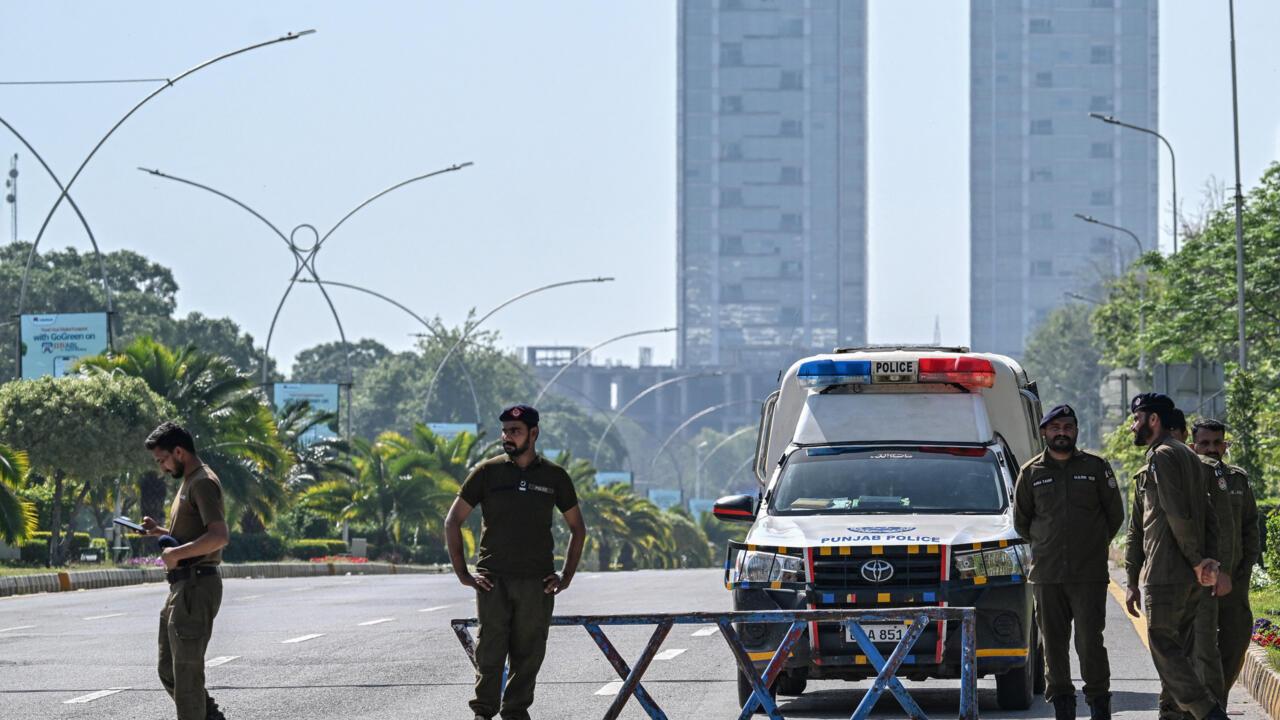
Israeli Strikes Kill 254 in Lebanon as U.S.-Iran Talks Prepare in Islamabad
12 sources compared
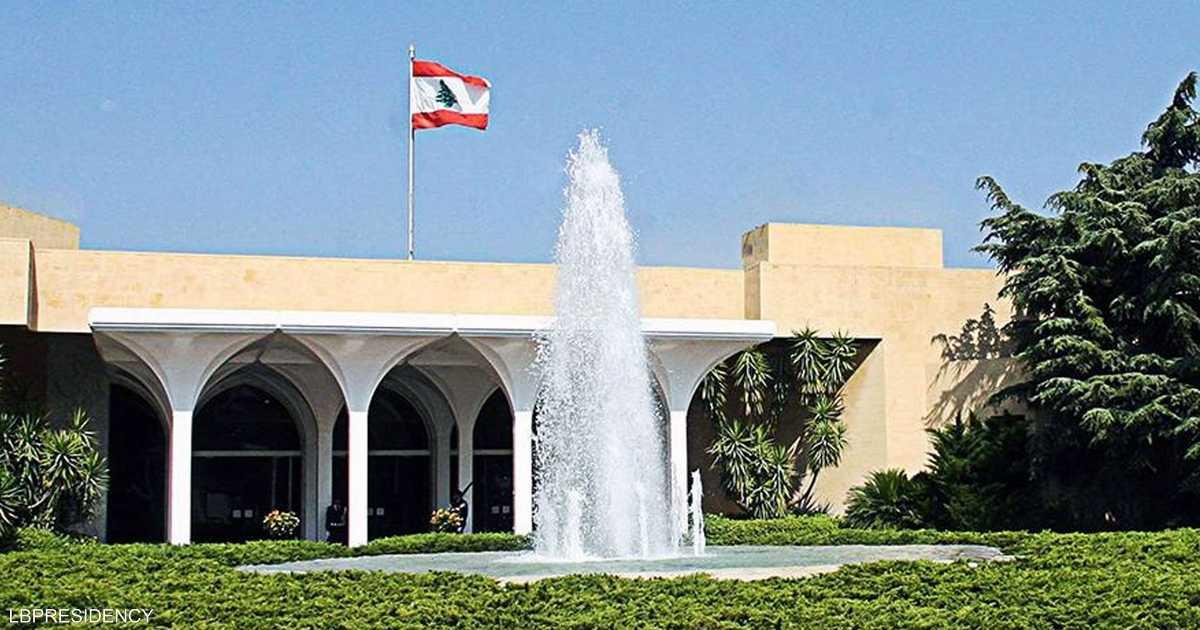
Israel Launches Airstrikes on Hezbollah Targets as Israel-Lebanon Ceasefire Extended 45 Days
15 sources compared
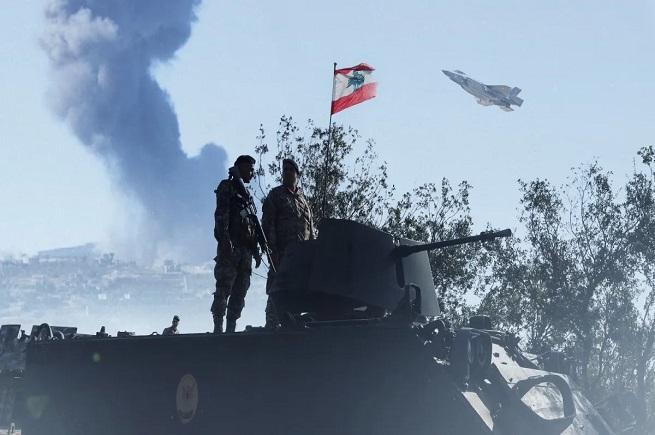
Israeli Air Strike Kills Six in Harouf as Israel and Lebanon Extend Ceasefire
11 sources compared