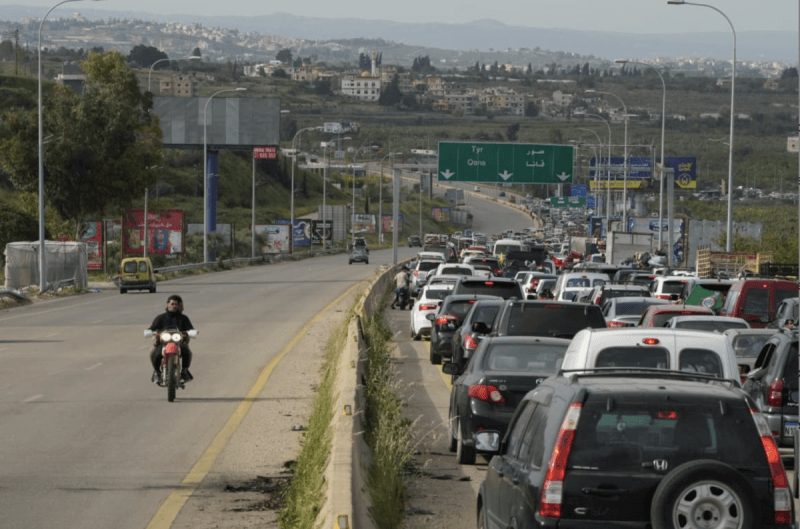
Israel Kills Three in Nabatieh as Lebanese Return Home From Beirut Tents
Key Takeaways
- Displaced Lebanese are returning home as fighting subsides.
- A substantial share of displaced Lebanese has returned to home regions.
- Policy shifts abroad, including US-Iran talks and sanctions, influence refugee flows.
Tent camps empty, returns begin
In Beirut, Lebanon, only a few dozen blue tents remained near the waterfront as thousands of Lebanese began returning to homes in areas primarily in the south after an agreement to end the war between the United States and Iran encouraged the return and ostensibly included an end to Israel’s strikes on Lebanon.
“Beirut, Lebanon – There are only a few dozen blue tents remaining near Beirut’s waterfront, a far cry from the hundreds that have sheltered Lebanon’s displaced in recent months”
Al Jazeera reported that since March 2, Israel has killed at least 4,247 people and wounded more than 12,000, and that it has invaded Lebanon, razing villages and displacing more than 1.2 million people, some multiple times.

The article described a mother from Nabi Chit in eastern Lebanon’s Bekaa Valley who fled first to Beirut’s southern suburbs known as Dahiyeh and then to the waterfront, where she said many people had left the camp in recent days but those who stayed mostly have nowhere to go.
It also said Ali Saleh, 55, from Jwaya in southern Lebanon, fled on March 2 and eventually found his way to the Beirut Sports City Stadium, but was forced to stay in Beirut because his house was destroyed.
Al Jazeera added that Israeli attacks over the last week have been significantly less frequent than before, but have not completely ceased, including a Thursday report by Lebanon’s National News Agency of the killing of three people by an Israeli drone strike on a vehicle in the Nabatieh region.
Officials track displaced numbers
In a separate report from L’Orient Today, Social Development Minister Haneen Sayed announced that 400,000 forcibly displaced people in Lebanon—out of more than one million since Israel re-escalated its war on March 2—have “returned to their home regions.”
L’Orient Today said the state-run National News Agency (NNA) reported that the number of displaced people housed in reception centers has "fallen to 13,896 families, or 52,243 people," down from a highest number of 37,439 families, or 141,440 people.
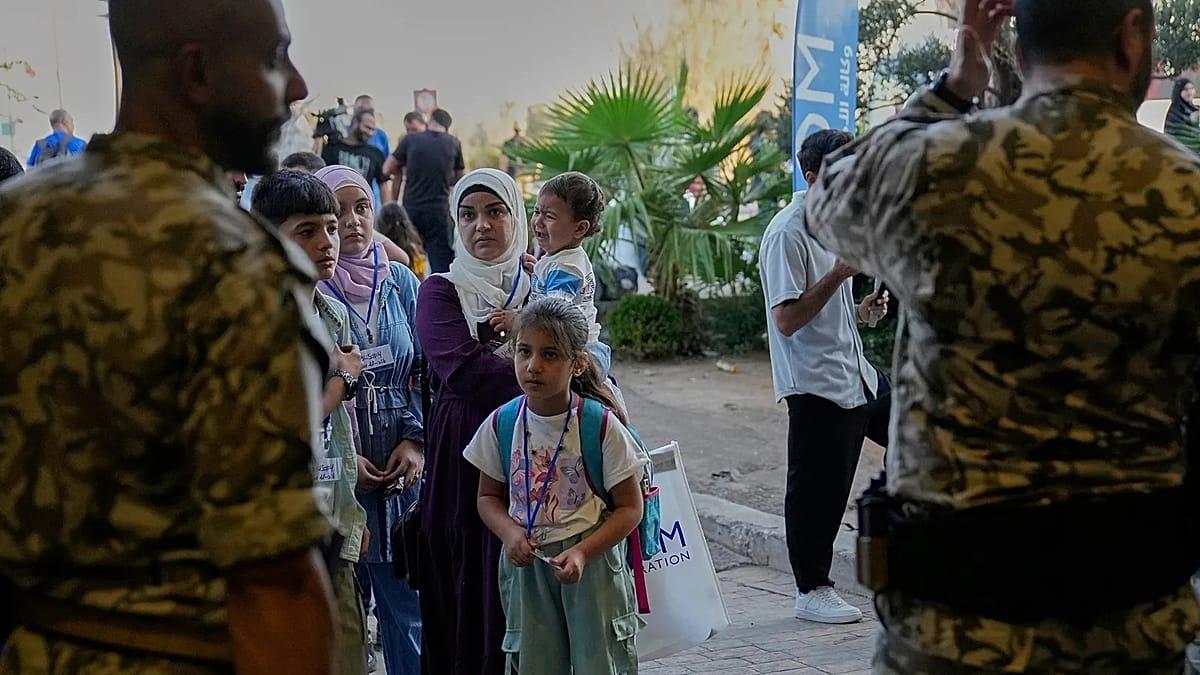
Sayed clarified that “some reception centers will remain open to accommodate displaced people who are not yet able to return to their homes,” while L’Orient Today reported that the number of reception centers has fallen from 692 at the height of the crisis to 479 today, representing the closure of 213 centers.
The same article said Sayed highlighted a "clear dynamic of return," even as it cited Israeli Defense Minister Israel Katz’s remarks that Israel is preparing for a "long-term occupation" in southern Lebanon.
L’Orient Today also reported that Finance Minister Yassine Jaber called on "Lebanon's friendly countries to support residents of the South" in reconstruction efforts and recalled that authorities are preparing a conference scheduled for July aimed at mobilizing nearly $1 billion.
Sanctions lift, reconstruction stakes
Euronews linked Lebanon’s displacement pressures to regional return dynamics, saying the UN refugee agency reported that more than one million refugees and nearly two million internally displaced Syrians have returned home since the fall of the al-Assad regime.
“BEIRUT — Social Development Minister Haneen Sayed has announced that 400,000 forcibly displaced people in Lebanon — out of more than one million since Israel re-escalated its war on March 2 — have “returned to their home regions”
Euronews reported that Karolina Lindholm Billing, the UNHCR representative in Lebanon, said the United States’ decision to lift draconian sanctions against Syria could encourage more refugees to return to their homeland, after the U.S. Senate voted on Wednesday to permanently repeal the so-called Caesar Act sanctions.
The report said refugees returning from neighboring countries are entitled to cash payments of 600 dollars (511 euros) per family upon their return, but that as many are returning to destroyed homes and with little chance of work, the money does not go far.
Euronews added that the World Bank estimates it will cost 216 billion dollars (184 billion euros) to rebuild the homes and infrastructure damaged and destroyed by the civil war in Syria, and that what is needed now is reconstruction money and private-sector investment in Syria that will create jobs.
In L’Orient Today, the stakes for Lebanon’s displaced were framed through a reconstruction plan and damage estimates, including that a study by UNDP and CNRS said Lebanon had, as of April 29, 2026, sustained damages estimated at more than $1 billion with more than 11,000 buildings completely destroyed in the South.
More on Lebanon
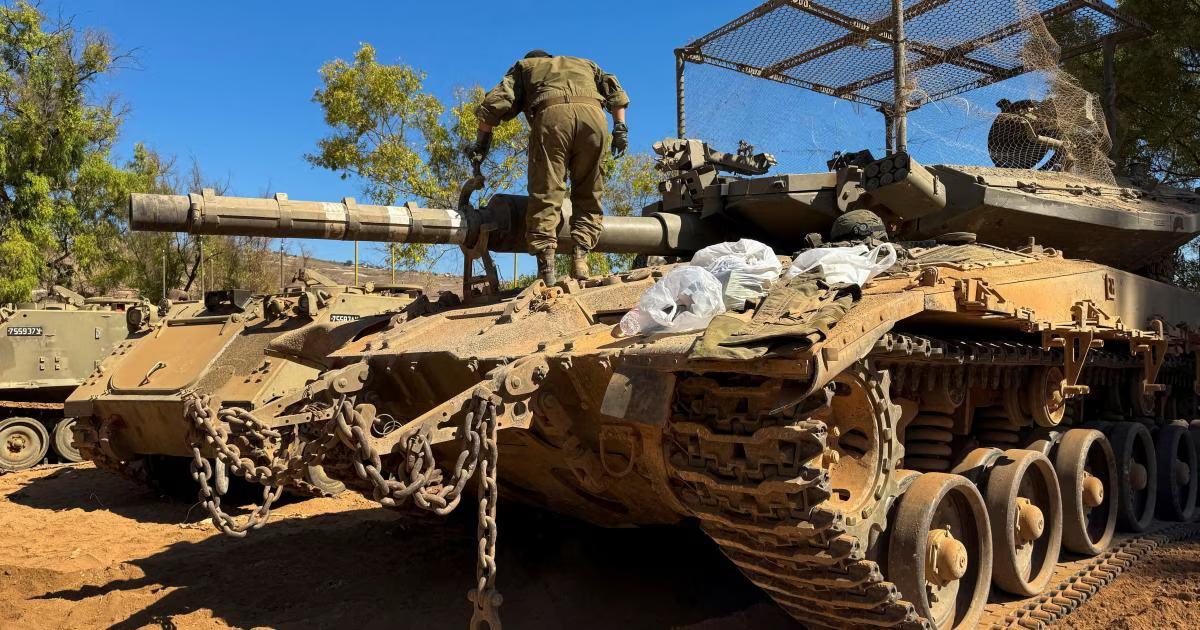
Lebanon and Israel Sign Security Annex Linking Hezbollah Disarmament to Israeli Withdrawal
22 sources compared

Nabih Berri Condemns US-Brokered Lebanon-Israel Framework Agreement, Says It Will Not Pass
17 sources compared
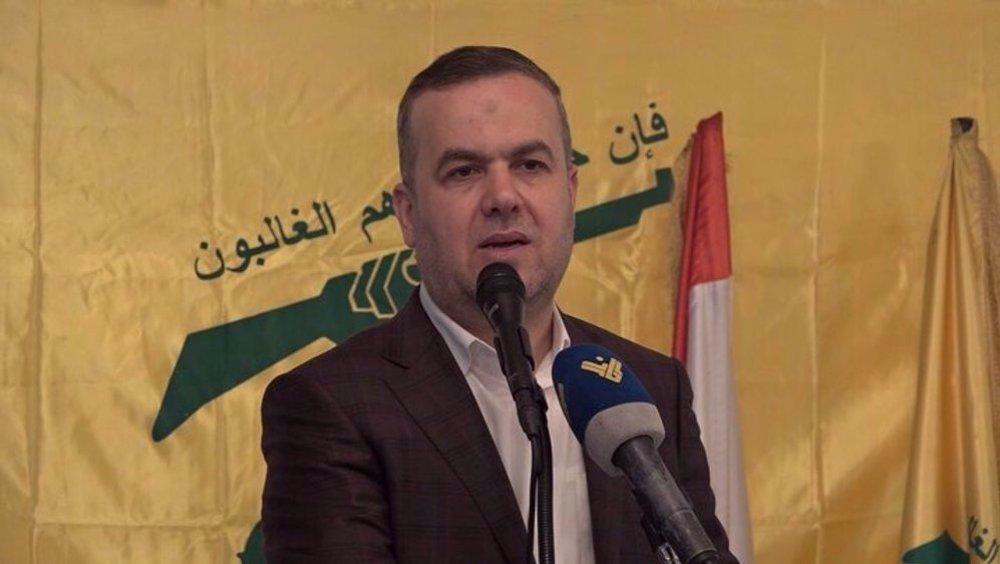
Israeli Attacks Kill 4,247 in Lebanon, Injure 12,195 Since March 2
13 sources compared
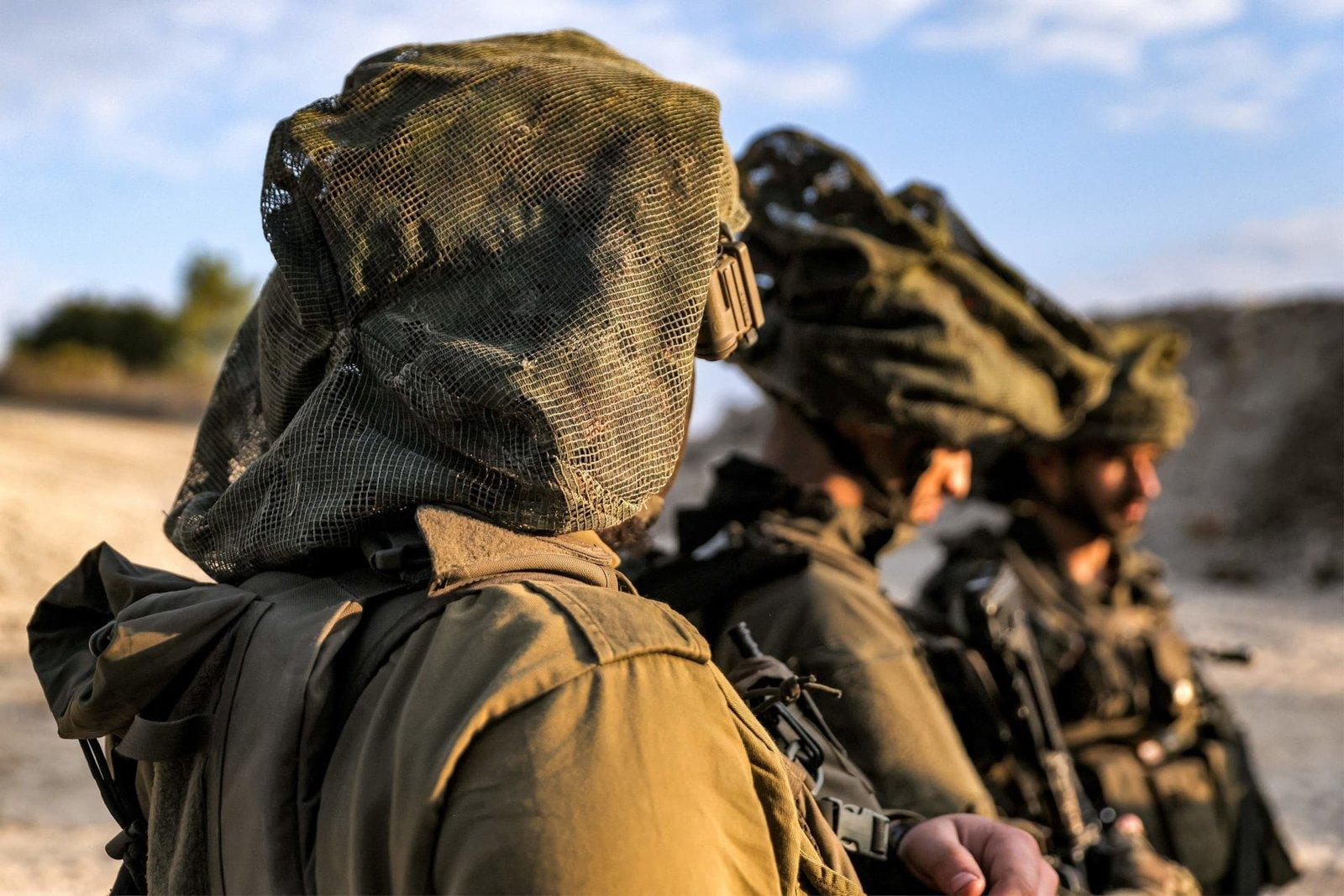
IDF Destroys Hezbollah Tunnel Network in Majdal Zoun, Stores Drones and Warheads
28 sources compared