Gaza Genocide21 January, 20263 min read
Israel Kills Three Palestinian Journalists in Gaza Airstrike
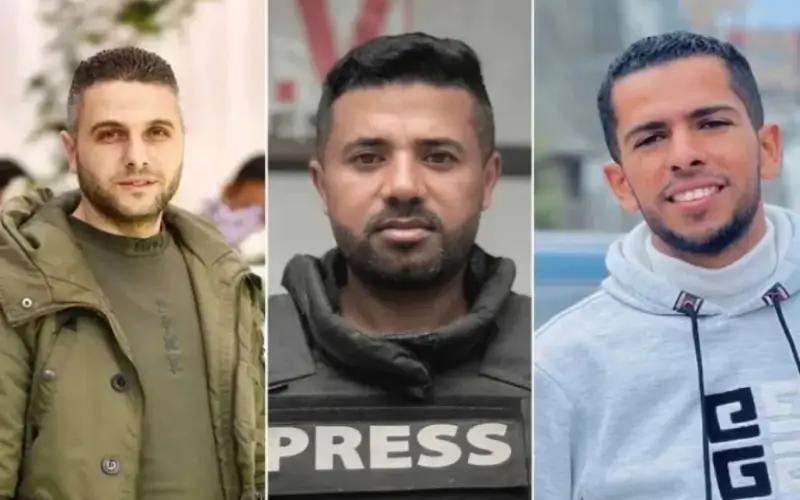
Israeli strikes killed at least 11 Palestinians, including three journalists and two children. Three journalists, working for the Egyptian relief committee, were killed when their vehicle was struck.

43 outlets told this the same way.
Outlets did split on Israel Marks Oct. 7 Anniversary With Strikes on Gaza, Netanyahu Faces Election After Nova Tribute →
France 24 was read line by line by the Watchdog: 5.3. See the score →
Gaza strike kills journalists
Israeli strikes in Gaza killed 11 Palestinians on Wednesday, including three Palestinian journalists, according to Gaza health officials and multiple news outlets. Video and eyewitness accounts show a charred, clearly marked humanitarian vehicle where the journalists were traveling after it was struck near a displacement camp in central Gaza. Local sources named the three journalists as Mohammed (Mohammad) Salah Qashta/Qeshta, Abdul (Abed) Raouf Shaat/Shaat and Anas Ghneim/Ghnaim.
“Israeli strikes in Gaza killed 11 people ‘yesterday,’ including three journalists who were hit while travelling in a clearly marked civilian vehicle, in what the article describes as a breach of the ceasefire reached last October.”
Footage circulated by news agencies showed the burned-out vehicle at the roadside. Several outlets described the strike as a direct breach of the U.S.-brokered ceasefire that began in October, and local medics said other strikes across Gaza that day killed children and civilians as well.

Alleged drone strike dispute
The Israel Defense Forces said it carried out a strike after soldiers identified several suspects who operated a drone affiliated with Hamas and described the strike as hitting a threat to troops. Israeli military statements say the incident is under review. Witnesses and local colleagues said the journalists were travelling in a vehicle clearly marked with Egyptian relief insignia to film an Egyptian-run displacement camp.
An Egyptian Relief Committee spokesman and an Egyptian security source said the vehicle belonged to their humanitarian mission. Some local eyewitnesses said the journalists were using a drone to film aid distribution. Other outlets noted Israeli sources did not publicly present evidence of the alleged drone operators.

Condemnation of journalist deaths
International press-freedom groups and news agencies condemned Israel for the killing of journalists and demanded transparent investigations. Reporters Without Borders said the strike on identifiable journalists could indicate targeting and might constitute a war crime.
“The Committee to Protect Journalists (CPJ) and Reporters Without Borders (RSF) condemned the killings; RSF said the strike on identifiable journalists ‘could indicate targeting’ and might constitute a war crime.”
The Committee to Protect Journalists reiterated Israel's legal obligation to protect journalists and noted the high toll among Palestinian media workers. AFP, local journalists and unions demanded full, transparent probes and called for accountability as families and colleagues mourned.
Media framing of Gaza violence
The killings occurred amid continued Israeli operations that local monitors and regional outlets say have repeatedly breached the October ceasefire and sustained a high Palestinian death toll since October 10. Some sources describe Israel’s policies and sustained campaign as part of a broader, systematic killing and suffering that they characterize as genocide.
Middleeasteye and imemc reported that Israel has "repeatedly violated" the truce with hundreds or thousands of incidents, and Zeteo explicitly framed Palestinian journalists as "contending with the genocide." Mainstream outlets reported casualty tallies and focused on ceasefire fragility without using the term genocide, producing a clear difference in how the campaign is labelled and understood.
Gaza truce civilian toll
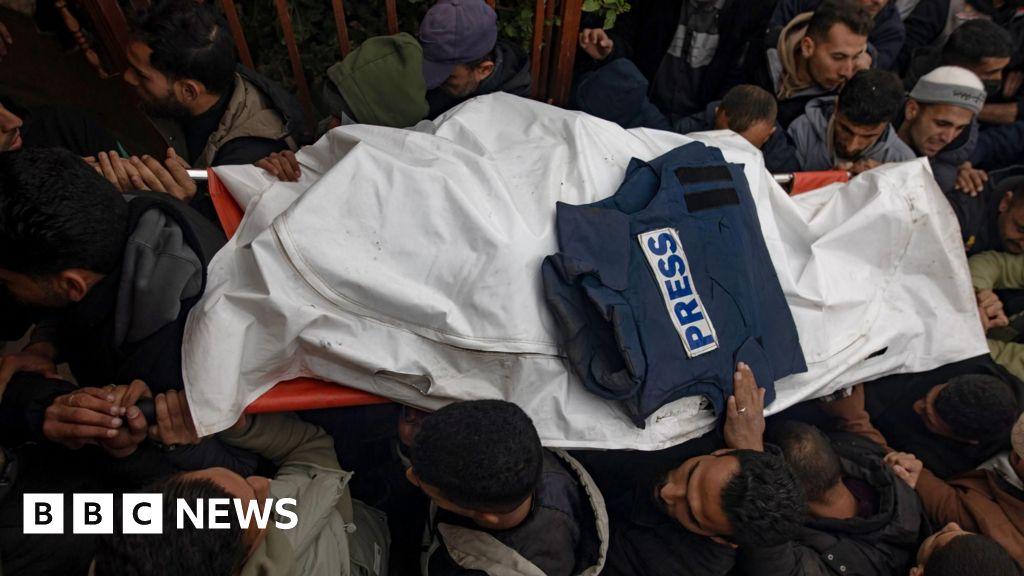
The human toll was immediate and visible. Families buried the dead in Al-Mawasi, and mourners, including the mother of one victim, were publicly distraught as colleagues and international agencies demanded accountability. AFP and other outlets shared footage and called for full, transparent investigations.
“The victims were buried in Al-Mawasi camp, where displaced residents live in precarious conditions; mourners including the mother of one victim, Nur al-Huda, were visibly distraught.”
Local medical sources reported separate incidents that killed children and whole families that day, underscoring how Israeli strikes, tank shelling and shootings are continuing to kill civilians across Gaza even during the ceasefire's supposed pause. Observers warned the repeated incidents risk undermining any remaining confidence in the truce and jeopardise humanitarian work in Gaza.