Gaza Genocide08 December, 20253 min read
Israel Kills Three-Year-Old Girl Playing Near Tent in Rafah
This article is an automated aggregation of coverage from news outlets. Our editorials offer in-depth analysis curated by the NewsCord team.
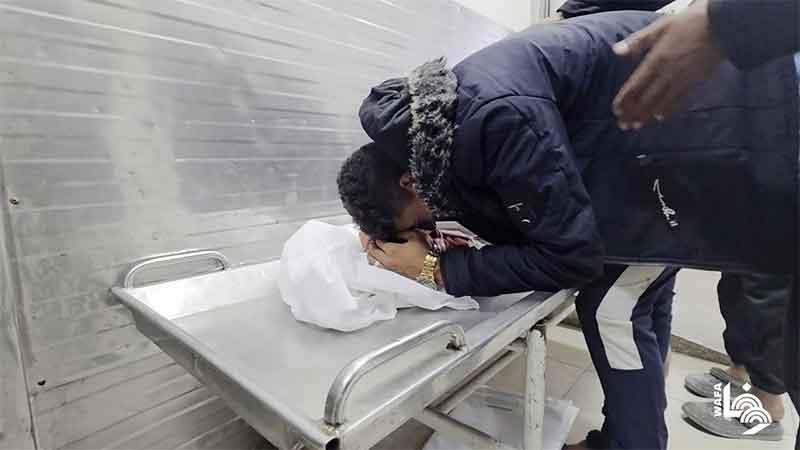
Three-year-old Ahed al-Bayouk was shot dead while playing near a tent in Mawasi, Rafah. Gaza medics and witnesses say Israeli forces shot the child.

5 outlets told this the same way.
Outlets did split on Thousands March in London Calling for Britain to Stop Arming Israel and Impose Sanctions →
Rafah child shooting reports
A three-year-old girl, identified by multiple sources as Ahed al-Biyouk (also reported as Ahed Tareq al-Bayouk), was shot dead while playing near her family's tent in Mawasi, Rafah. Medical sources in Gaza and Clarion India reported that Israeli forces killed 3-year-old Ahed al-Biyouk in Mawasi, Rafah. Local emergency teams recorded multiple deaths and dozens injured in the same period.
“Medical sources say Israeli forces killed 3-year-old Ahed al‑Biyouk in Mawasi, Rafah, and minutes later artillery struck east of Deir al‑Balah.”
The BBC likewise reported the child was shot dead while playing near her family's tent in Mawasi, Rafah. The Israel Defense Forces said it was not aware of a strike but would review the incident.

Newskarnataka described the shooting as unverified and said the IDF had not responded to the reports. These accounts show frontline reporting that attributes the killing to Israeli forces while also recording official denials or a lack of confirmation and calls for independent verification.
Gaza humanitarian crisis
The killing occurred amid reports of a broader humanitarian catastrophe in Gaza since the October ceasefire phase. Gaza's health services are collapsing under shortages and restricted aid. Clarion India said hospitals received six dead and 17 wounded in the most recent 24 hours and warned that 52% of essential medicines, 71% of medical consumables and 70% of laboratory supplies are out of stock.
The same report said rescue teams recovered hundreds of bodies from under destroyed homes. The BBC summarized differing casualty figures from rights groups and agencies, noting that Amnesty cites at least 370 killed including 140 children, Gaza's Hamas-run health ministry reports over 70,000 killed, and the WHO says some 16,500 wounded or seriously ill Palestinians urgently need evacuation.

Newskarnataka highlighted Mawasi's overcrowding, strained medical services and dependence on international relief. Together, these sources depict a collapsing health system and heavy civilian tolls, with some outlets explicitly accusing Israeli restrictions of deepening the crisis.
Mawasi ceasefire fragility
The incident in Mawasi shines a light on the fragility of the ceasefire truce line and competing Israeli political-military moves. Countercurrents reported that Israel's top military commander said the so-called "yellow line" in Gaza will serve as a "new border" between Israel and the Gaza Strip. Countercurrents also noted Israeli raids such as one on UNRWA headquarters in Sheikh Jarrah.
“Mawasi, where thousands of displaced people have sought refuge and which is seen as a relatively safer pocket, has nonetheless experienced sporadic incidents, unclear communications, unpredictable movement restrictions and persistent fear of cross‑line fire under a fragile ceasefire.”
BBC covered diplomatic efforts tied to the "Yellow Line" withdrawal as part of a US plan's first phase and quoted Israeli leaders insisting they will not accept a Palestinian state that seeks Israel's destruction. Local sources and newskarnataka stress that Mawasi is seen as a "relatively safer pocket" yet remains exposed to sporadic incidents, unpredictable movement restrictions and cross-line fire. These accounts link frontline civilian vulnerability with broader Israeli policy signals and raids.
Responses to Gaza crisis
International monitoring, investigations and political manoeuvres are diverging responses to the same crisis. Countercurrents reported that Euro-Med Human Rights Monitor requested an independent international investigative committee to probe possible organ theft from Palestinians amid the Gaza conflict. Countercurrents also quoted harsh opinion pieces demanding accountability.
Clarion India accused mediators and the United States of ignoring alleged violations and of blocking agreed aid volumes. BBC described diplomatic momentum among Qatar, the US, Turkey and Egypt to proceed to phase two of a US plan that would include an interim Gaza authority and international security arrangements. BBC also reported limits on independent reporting, noting that international media remain barred by Israel from reporting independently inside Gaza.
These sources differ sharply on whether the response should be forensic investigation and human-rights pressure or political sequencing and negotiation. Clarion in particular emphasised aid obstruction by Israel and criticised mediators.
Civilian harm and accountability
These sources collectively show a pattern of civilian exposure to lethal Israeli military action near the truce line. They document serious shortages and blocked aid that worsen the medical collapse. Observers and outlets frame events differently: some characterize Israel's conduct as genocidal and demand international investigations, while mainstream diplomatic reporting emphasizes political sequencing and casualty tallies.
“Health system collapse: 52% of essential medicines, 71% of medical consumables and 70% of laboratory supplies reportedly out of stock.”
The child's death in Mawasi underlines urgent needs for independent verification. It also highlights the need for stronger monitoring of humanitarian corridors and accountability for actions reported by medical teams and local sources as Israeli forces killing Palestinian civilians.
