Gaza Genocide30 November, 20252 min read
Israel Kills Two Children in Gaza in Strike During Ceasefire
This article is an automated aggregation of coverage from news outlets. Our editorials offer in-depth analysis curated by the NewsCord team.
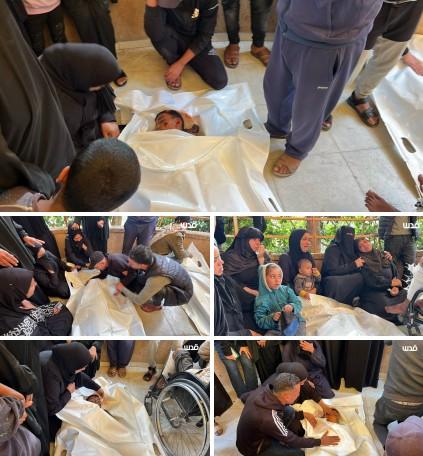
Israeli drone strike killed two Palestinian brothers, ages 8 and 11, near Beni Suhaila. Deaths occurred despite a U.S.-brokered ceasefire that began on October 10.

34 outlets told this the same way.
Beni Suhaila strike report
An Israeli drone strike in Beni Suhaila, southern Gaza, killed two Palestinian brothers aged 8 and 11. Their bodies were taken to Nasser Hospital, which multiple outlets describe as a generally reliable source for casualty reporting in Gaza. Nasser Hospital and local medics reported the strike hit an area near a school sheltering displaced people.
“Nasser Hospital in southern Gaza, considered generally reliable, said an Israeli drone strike near a school shelter in Beni Suhaila killed two brothers, ages 8 and 11; the hospital received their bodies.”
Relatives and Gaza civil defence identified the boys as Fadi and Jumaa Tamer Abu Assi. The Israeli military gave a different account, saying its forces had "killed two people who crossed into an Israeli-controlled area and 'conducted suspicious activities'" and did not mention the victims' ages.
Ceasefire violations and deaths
The killings occurred amid a fragile, U.S.-brokered ceasefire that took effect on Oct. 10 but has repeatedly been breached.
Gaza’s Hamas-run Health Ministry reports at least 352 Palestinians killed since the truce began, a tally that does not separate civilians from fighters.

International reporting places the overall Palestinian death toll since October 2023 at roughly 70,100.
Both Israel and Hamas publicly accuse the other of violating the truce, with Hamas summoning mediators to press Israel over alleged breaches and Israel describing its strikes as responses to militants it says violated the agreement.
Regional escalation overview
The incident is part of a wider pattern of Israeli operations that multiple outlets say have continued beyond agreed 'yellow line' boundaries and have driven a regional escalation. Syrian officials reported an Israeli raid they say killed at least 13 people, while Israel said it struck militants who had fired on its troops.
“Syria said an Israeli raid killed at least 13 people (Israel said it struck militants who opened fire); Israel has also increased strikes in Lebanon targeting Hezbollah.”
Israel has increased strikes in Lebanon targeting Hezbollah. Footage from the occupied West Bank appears to show Israeli soldiers shooting two men who seemed to surrender, an act the military says it is investigating.
Gaza humanitarian crisis allegations
Humanitarian organizations and rights advocates warn that the ceasefire’s fragility has not prevented catastrophic humanitarian conditions in Gaza. Editorial and other outlets report warnings from aid groups and the ICRC about famine risks and severe shelter shortages.
They also say the UN Human Rights Office and rights groups have called for independent investigations into killings during the truce. Some West Asian outlets (PressTV, Tehran Times) explicitly report that international bodies and rights groups have described Israel’s offensive as 'genocide,' while many Western mainstream outlets relay calls for investigations and condemnations without using that term.

Disputed strike and investigations
Accounts of the strike and its justification remain unclear and contested. Investigations have been opened or called for, but outcomes are pending. The Israeli military says it identified two suspects and eliminated them after they crossed the yellow line.
“Israel’s military said it killed two people who crossed into an Israeli-controlled area and 'conducted suspicious activities' (it did not mention children) and reported a separate, similar killing in the south.”
Medical sources, Nasser Hospital, and relatives say the victims were children collecting wood or sheltering near a school. International actors referenced in multiple sources have urged investigations and mediator pressure. Given the conflicting narratives across outlets, the precise circumstances of who was targeted and why remain unresolved in public reporting.