Lebanon04 December, 20252 min read
Israel Launches Airstrikes on Four Southern Lebanon Towns a Day After Direct Talks With Lebanon
This article is an automated aggregation of coverage from news outlets. Our editorials offer in-depth analysis curated by the NewsCord team.
Israeli airstrikes struck four towns in southern Lebanon, including al‑Majadel, Jbaa, Mahrouna Strikes occurred one day after the first direct Israeli-Lebanese civilian talks in decades

9 outlets told this the same way.
Outlets did split on Lebanon’s Judiciary Prepares To Apply General Amnesty Law No. 70, Judge Ahmed Rami Al-Hajj Says →
Israeli strikes in southern Lebanon
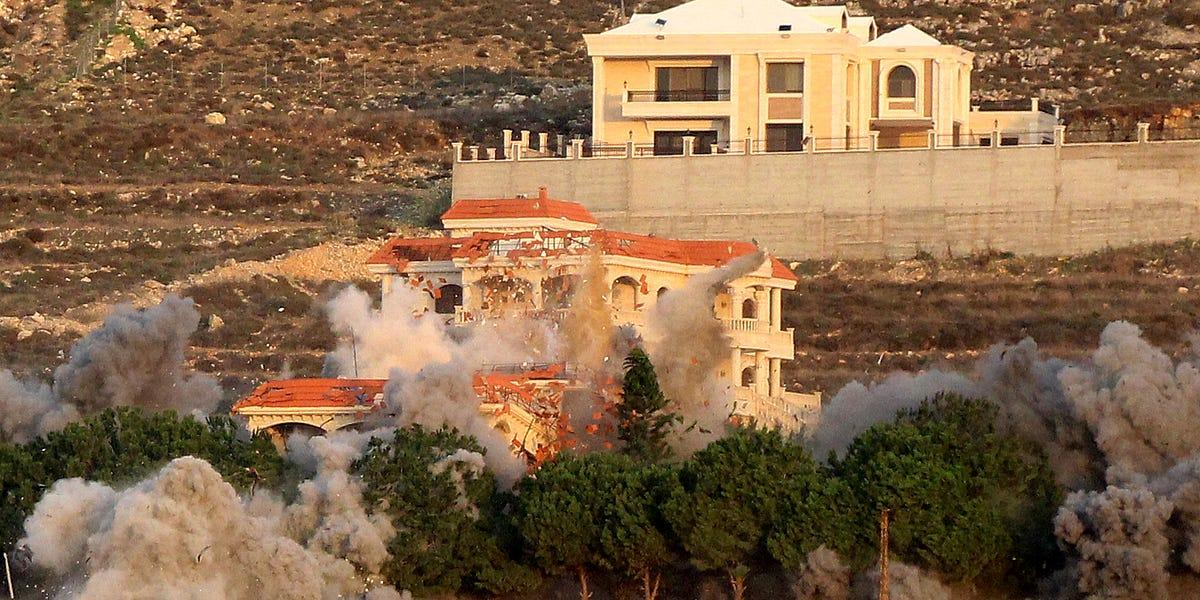
On Dec. 4, 2025 Israeli warplanes struck four towns in southern Lebanon: Jbaa (Jbail/Bint Jbeil area), Mahrouna, Majadal/Mjadel and Baraachit/Baraasheet.
“Israeli warplanes struck southern Lebanon on Thursday, targeting areas Israel said were linked to Hezbollah — including the towns of Mahrouna, Jbaa, Majadal and Baraasheet — with Lebanon's state news agency reporting hits on buildings and images showing smoke in Jbaa. The strikes came a day after civilian representatives from Lebanon and Israel held their first direct talks in decades under a UN ceasefire mechanism. They also occurred despite a November 2024 ceasefire meant to halt more than a year of fighting between Israel and the Iran-backed militia.”
The strikes occurred less than a day after Lebanon and Israel held direct civilian talks under a UN ceasefire-monitoring mechanism in Naqoura.
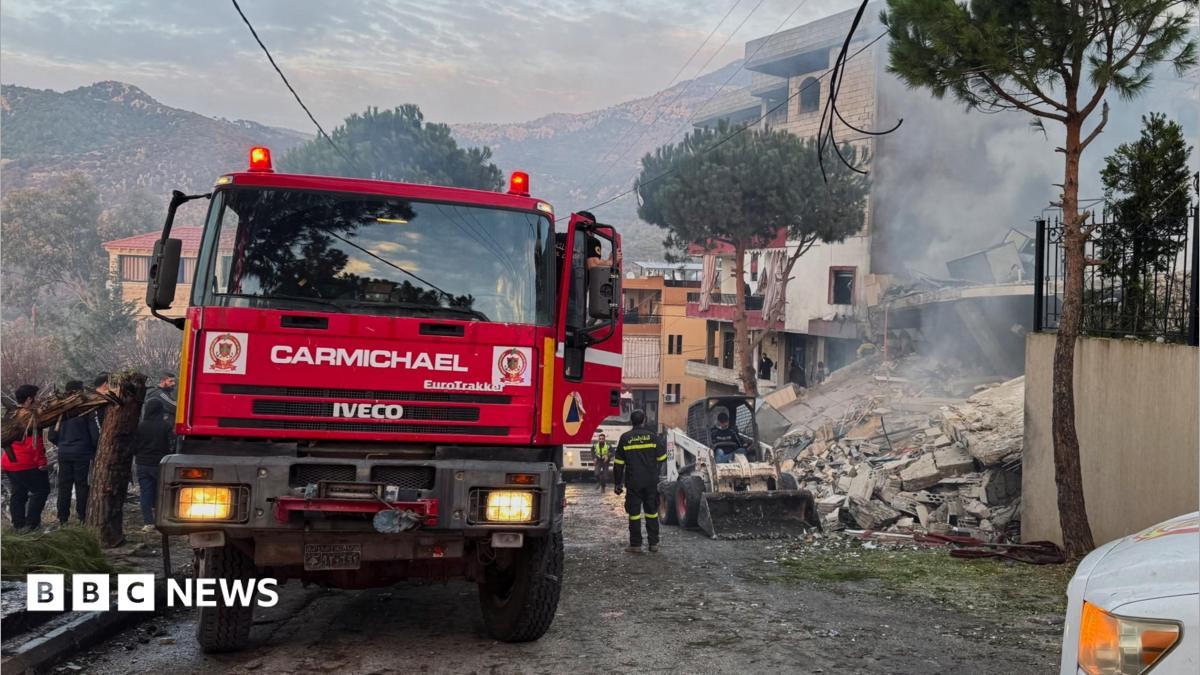
Reports describe buildings hit and smoke in Jbaa, with some accounts saying a large building there was destroyed.
The Israeli military issued evacuation orders around sites it identified as linked to Hezbollah, and multiple structures were reported damaged.
The attacks were reported to have occurred despite a U.S.- and France-brokered ceasefire that has been in effect since November 2024.
Ceasefire violations and strikes
The strikes came amid a fraught ceasefire environment. Multiple outlets note Israel says it continues near-daily operations to target Hezbollah facilities even after the November 2024 truce.
Lebanese and UN statements emphasise frequent ceasefire violations and heavy civilian tolls since the wider conflict began in October 2023. Reports place the incident within a broader pattern of strikes and recorded violations that critics say risk undermining nascent diplomacy and endangering civilians.

Evacuations and target disputes
Israeli authorities told residents to evacuate areas around sites the military described as weapons warehouses or ammunition sites belonging to Hezbollah, and said evacuation warnings were issued. Several outlets cited the Israeli military's characterization of the targets as Hezbollah storage or Radwan Force infrastructure and noted Arabic warnings before strikes. Other outlets reported local claims that many damaged structures were civilian and said no independent evidence has been publicly released to substantiate the military's infrastructure claims.
“The Israeli military said the strikes hit several Hezbollah weapons storage sites after issuing evacuation warnings for two nearby villages.”
Aftermath of Israel-Lebanon talks
The timing — a day after historic talks — sharpened diplomatic concern. Multiple outlets framed the Naqoura meeting as rare and historic. Tempo.co (Western Alternative) and news.antiwar called it the first direct civilian talks between Israel and Lebanon in decades and described it as a ceasefire-monitoring step.
Albawaba and Türkiye Today noted it was backed by the United States and France and linked to broader expectations about Hezbollah’s status. UNIFIL and Lebanon’s foreign ministry reportedly protested the strikes to the UN. Some commentators and officials warned the raids could undermine the de-escalatory intent of the talks.
Media reactions and implications
Reactions and wider implications diverge across sources. Al Jazeera highlights UN tallies of civilian casualties, displacement, and calls for investigations into potential violations. Albawaba reports Lebanese official complaints to the UN and UNIFIL condemnation.
“Since a truce took effect, Israel has carried out near-daily attacks across Lebanon that the UN says have killed more than 300 people, including at least 127 civilians.”
Xinhua and the BBC emphasize the Israeli military’s stated aim of disrupting Hezbollah infrastructure and note evacuation warnings. Other outlets, such as news.antiwar, stress that local accounts question the IDF’s evidence and that public verification is lacking. The situation therefore remains unclear and contested in both facts and tone.